


Automotive expert Juan Francisco Calero has warned that diesel fuel prices in Spain could reach between 2.20 and 2.40 euros per liter if government tax reductions expire as planned. The motoring journalist highlighted October as a critical month for drivers facing rising fuel costs.
Under that worst-case scenario, filling a standard 50-liter fuel tank would cost motorists between 110 and 120 euros. Calero explained that the potential price surge depends on two primary factors: ongoing international fuel market pressures and the scheduled end of Spanish tax relief measures that currently cushion retail prices.
The ongoing war in Iran has injected fresh uncertainty into fuel expenses for workers who rely on their cars for daily employment. The impending expiration of Spanish tax relief poses an immediate risk, as removing tax subsidies could make refueling significantly more expensive overnight even if crude oil trading prices do not rise on that specific day.
Spain introduced temporary tax cuts on hydrocarbon products to shield consumers and businesses from high inflation following global energy disruptions. Royal Decree-Law 18/2026, which was approved by the Spanish government on June 29, 2026, established a gradual withdrawal of reductions on the national hydrocarbon tax running through September. The decree also included a protective safeguard tied to fuel inflation metrics, meaning the exact level of tax relief varies depending on specific products and projected price movements.
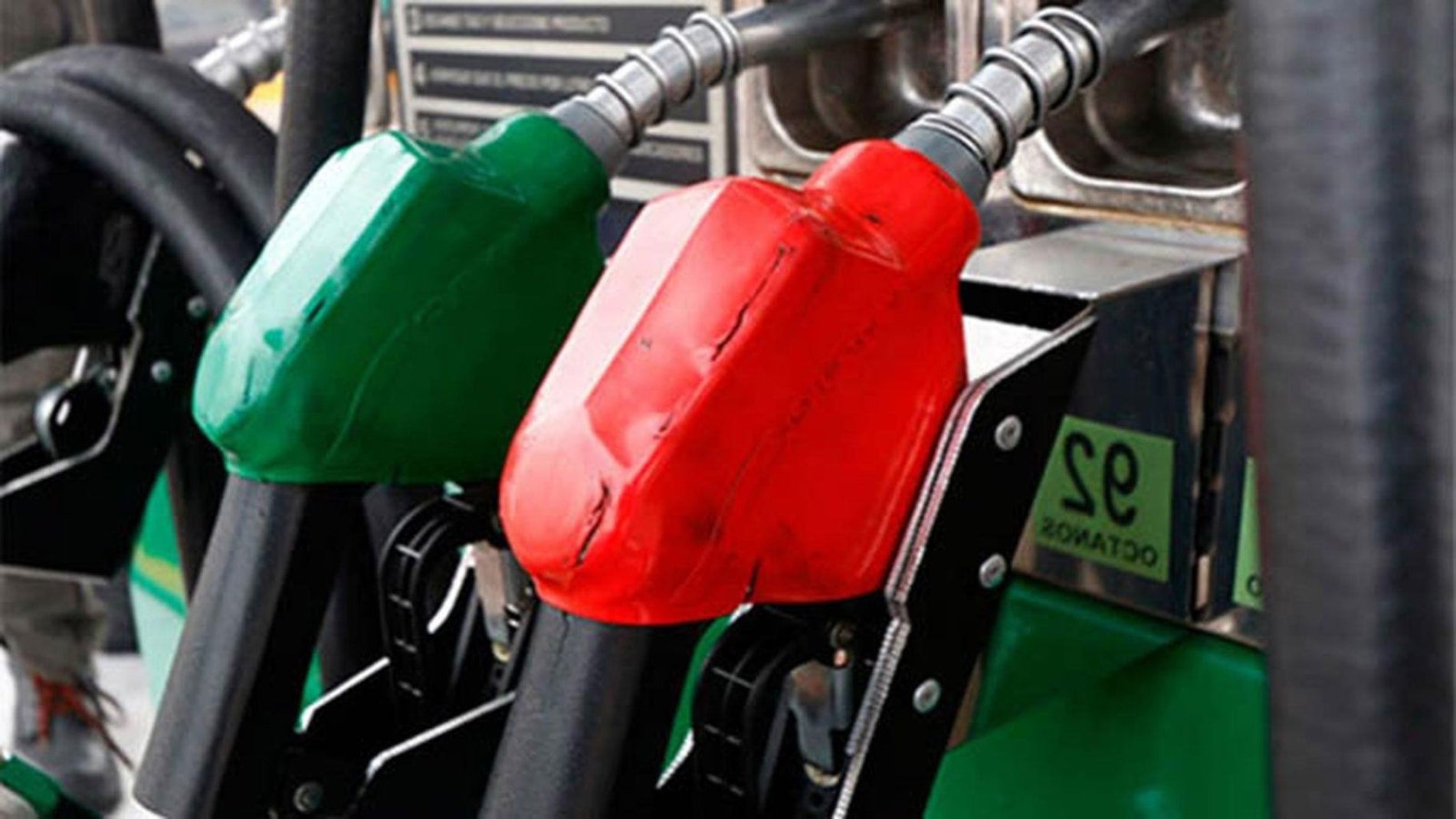
Calero presented his detailed financial calculations in a video published on September 17, 2026, on his YouTube channel, carwow.es. The channel is a popular online motoring platform that provides car reviews, industry analysis, and consumer guidance for drivers.
The automotive journalist emphasized that the 2.40 euro per liter figure represents an adverse scenario rather than a guaranteed flat rate across all service stations. He also pointed out that high prices do not imply that gas stations will run out of fuel entirely. While fuel availability and pricing are interconnected issues, refined fuel can continue to reach service station pumps even as the price per liter rises sharply.
Factors driving pump prices
Calero identified October 1, 2026, as the decisive date for his warning, assuming government emergency measures are not extended. In his analysis, he emphasized that raw crude oil prices represent only one component of what drivers pay at the pump. Refining costs, distribution overheads, and government taxes all accumulate before finished fuel enters a vehicle tank.
Hydrocarbon taxes are special excise duties imposed on petroleum products, forming a major portion of retail fuel prices across European Union member states. Crude oil extracted from the ground cannot be used directly in motor vehicles and must first undergo complex thermal and chemical refining processes at specialized industrial facilities to produce commercial-grade diesel and gasoline.
Commercial freight and logistics transport companies face similar vulnerability to rising fuel costs, although different transport sectors operate under distinct contracts and specialized government subsidies. These sustained cost pressures have driven growing commercial interest in maritime fuel efficiency technologies, such as rigid sails designed for cargo ships to lower fuel consumption while operating at sea.
Reports from energy monitors reinforce concerns over refined fuel bottlenecks. The International Energy Agency published a market report in September 2026 showing that net diesel exports from the Gulf in August 2026 fell to just over a quarter of their pre-war levels.
The agency also reported that the total volume of crude oil processed by global refineries in August fell below levels recorded during the same period in the previous year. These statistics demonstrate that purchasing raw crude oil on global markets does not guarantee an adequate supply of finished fuel products for consumers.
The International Energy Agency, based in Paris, is an autonomous intergovernmental organization established within the OECD framework to foster global energy security and provide data-driven market analysis. Its monthly oil market reports monitor international production, refining capacities, trade flows, and supply chain vulnerabilities across global energy markets.
Impact on motorist budgets
The gap between raw oil prices and refined product availability explains why tracking crude oil futures alone is insufficient to predict retail fuel bills. For drivers continuing to operate internal combustion engine vehicles, total vehicle expenditure is determined by two separate metrics: the price per liter and the total volume of fuel consumed.
Many motorists rely on mobile fuel-tracking applications to log their fill-ups, monitor consumption rates, and locate cheaper filling stations in their local areas. Small price increases quickly mount up for regular drivers, as every additional 10 cents per liter adds five euros to the cost of purchasing 50 liters of diesel.
Renewed fuel price volatility has refocused public attention on the running costs of electric vehicles compared to traditional petrol and diesel cars. While electric cars operate on battery power and eliminate direct fuel expenses, switching to an electric vehicle requires a substantial initial financial outlay that far exceeds the immediate cost of filling a fuel tank.
Calero stressed that his warning is bound to regulatory decisions and market conditions that could still shift before October. The 110 to 120 euro cost example serves to illustrate the financial impact of his negative scenario rather than an inevitable bill. Future government choices regarding tax cut extensions and global refined fuel supplies will determine how much drivers ultimately pay at the pump.


