Researchers at the Instituto de Microelectronica de Barcelona have developed an experimental microgenerator designed to convert waste heat from machinery into electrical power. The device, created under Spain's National Research Council, aims to provide an on-site energy supply for low-power sensors used in industrial monitoring.
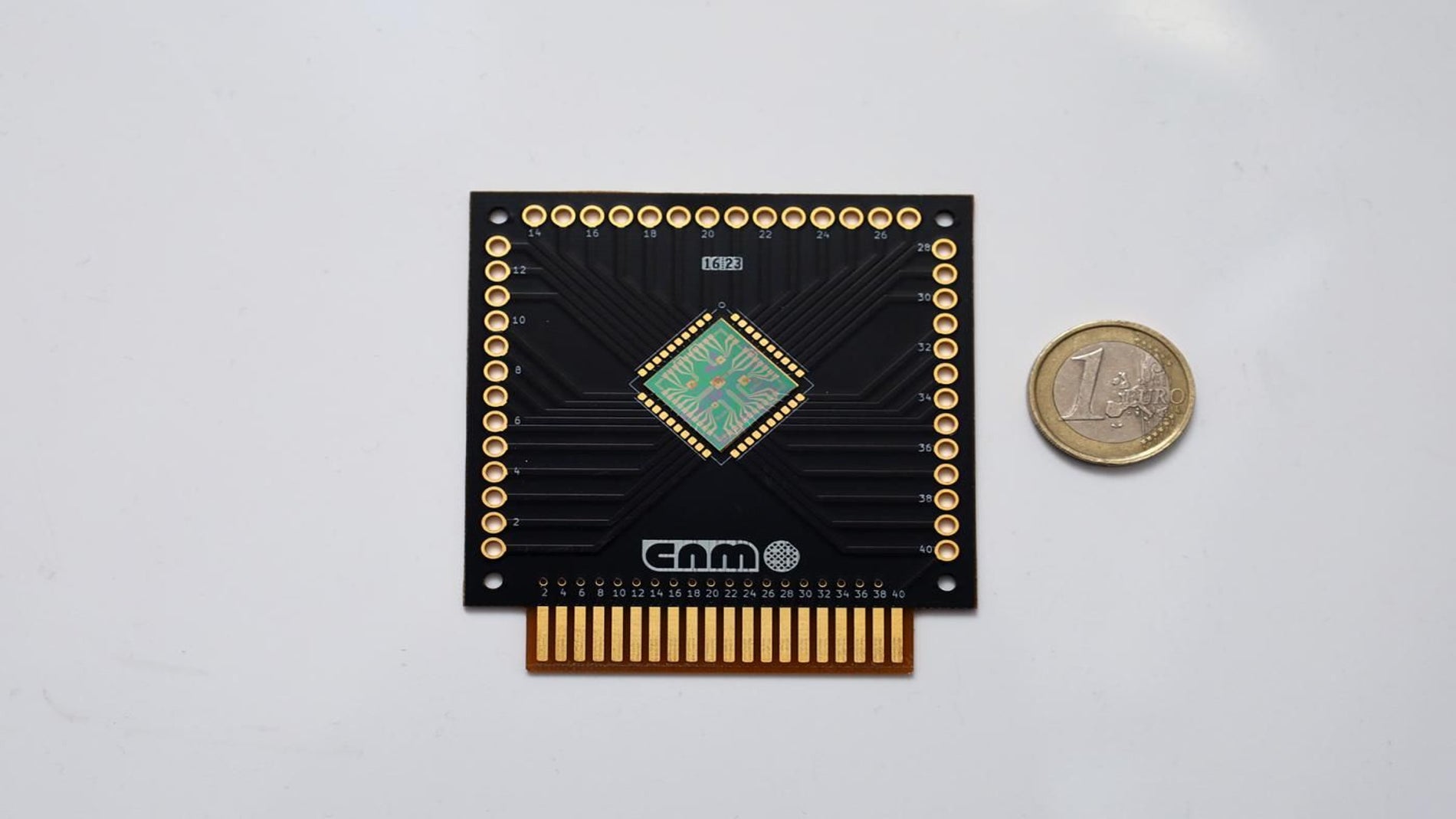
The project focuses on creating self-sustaining sensors that can operate without relying on traditional batteries. Providing localized power is intended to cut down on battery replacement maintenance, particularly for equipment installed in locations that are difficult to access.
Scientists at the institute built a working prototype to study the heat conversion mechanism. Although the prototype has successfully demonstrated the concept, the amount of electricity it currently generates remains very small.
The Instituto de Microelectronica de Barcelona operates as part of the Spanish National Research Council, known as the Consejo Superior de Investigaciones Cientificas. CSIC is Spain's largest public research institution, maintaining specialized laboratories across the country to advance microelectronics, silicon technology, and materials science.
Temperature difference and silicon chip design
Details of the study were published in the scientific journal Science and Technology of Advanced Materials. According to the Barcelona Microelectronics Institute, the microgenerator relies on maintaining a temperature gradient across two distinct zones of the device. This temperature difference enables a thermoelectric material to transform heat directly into electrical energy.
To achieve the required thermal gap, researchers constructed a suspended membrane on a silicon chip and placed the thermoelectric material on top of it. When the device is placed against a hot surface, the outer edges of the membrane heat up more rapidly than the central area. A dedicated heat sink component extracts thermal energy from the central zone, keeping it cooler than the edges.
Experimental testing demonstrated that the heat sink significantly boosts energy output. During trials conducted on a surface heated to 175 degrees, the maximum power generated by the device rose from 0.07 nanowatts to 7.75 nanowatts after integrating the heat dissipation mechanism. While a nanowatt represents just one billionth of a watt, researchers noted that the increase represents a substantial performance improvement over the initial design.
Thermoelectric energy harvesting has become an active area of engineering research aimed at recapturing lost industrial energy. Operating machinery routinely releases thermal energy into the surrounding environment. Other research initiatives have explored using residual heat for secondary functions, such as cooling electronic components through specialized metal sheets.
Low toxicity materials and future development
The choice of material plays a critical role in the safety and efficiency of the device. The team fabricated the thermoelectric component using strontium titanate doped with niobium, a chemical compound altered by adding niobium to modify its electrical properties. Researchers proposed this compound as a low-toxicity alternative to conventional thermoelectric materials.
Developing non-toxic functional materials is an important step for sustainable electronics. Traditional thermoelectric devices frequently depend on heavy metals like bismuth and tellurium, which pose environmental and recycling challenges. Utilizing oxide ceramics such as strontium titanate offers higher chemical stability and safer handling during production.

Following the initial prototype tests, the research team is working to enhance the overall energy efficiency of the system. Future work will focus on improving material quality and minimizing thermal losses within the chip structure. The experimental platform also enables scientists to integrate and evaluate other thermoelectric compounds to determine their viability for industrial applications.
The ultimate objective remains powering autonomous industrial sensors entirely through ambient heat harvested from their operating environment. The Barcelona research team considers the current prototype an essential stepping stone toward achieving that goal.