


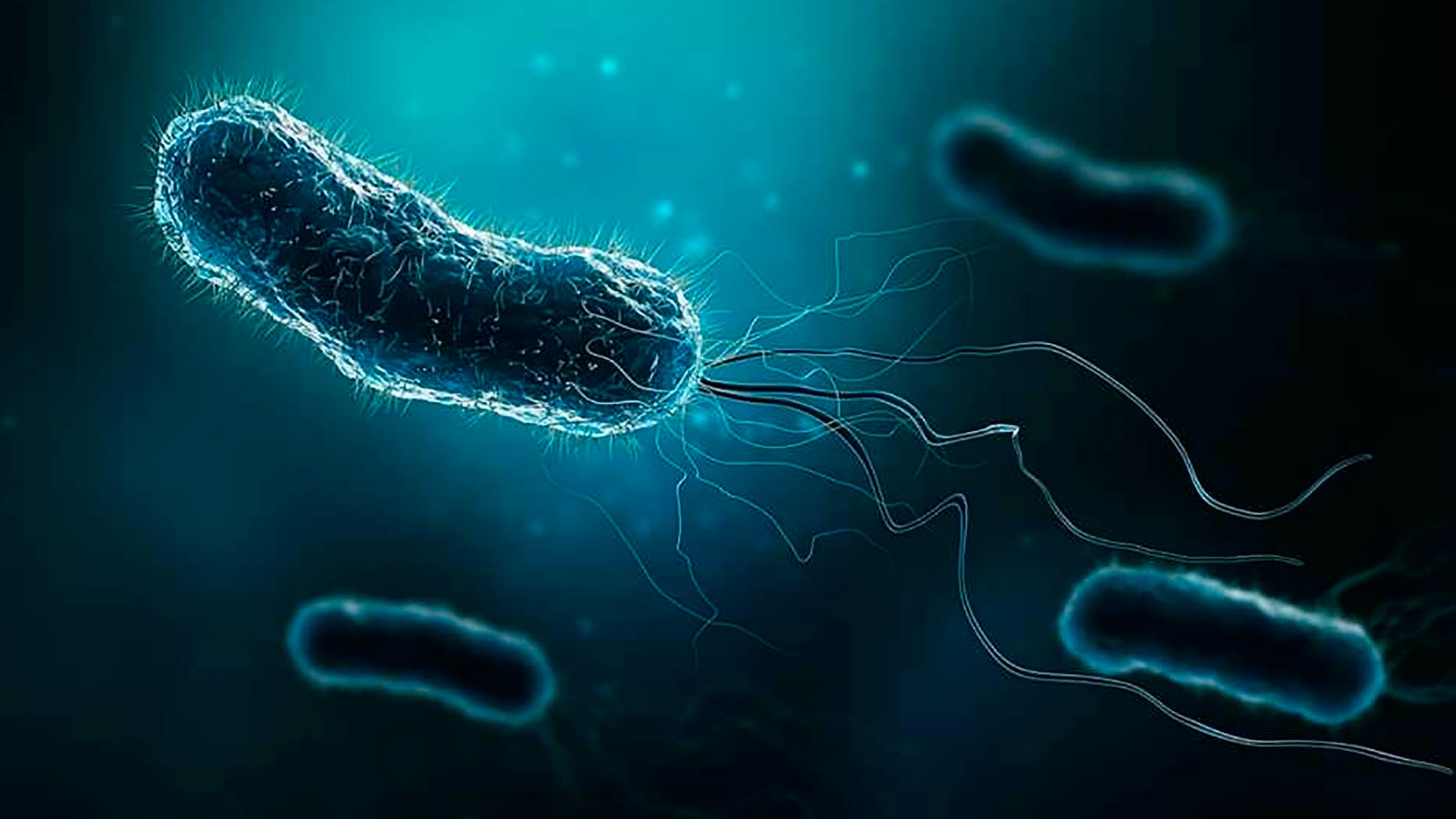
Nearly 2.3 million cancer cases diagnosed worldwide in 2024 were linked to preventable infections, with the stomach bacterium Helicobacter pylori heading the list.
The findings, published in the medical journal The Lancet Oncology, estimate that infectious agents were behind approximately 12 percent of all global cancer diagnoses in 2024, representing roughly one in every eight cases.
While public health discussions about cancer often focus on risk factors such as smoking, alcohol consumption, genetics, and diet, biological infections from bacteria and viruses represent a major but less familiar cause that can elevate tumor risk years after initial exposure.
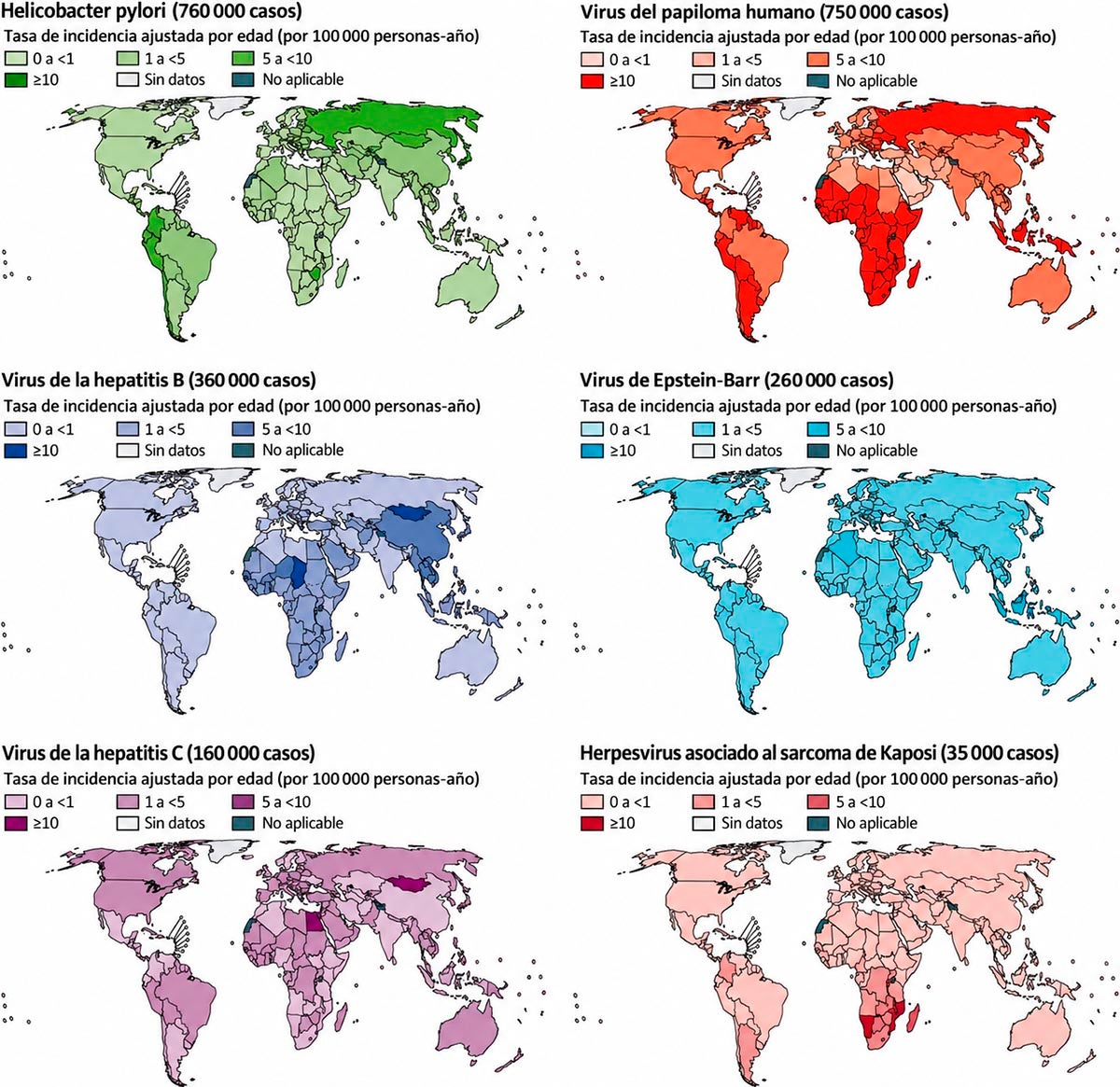
According to the international analysis, Helicobacter pylori was linked to approximately 760,000 new cancer cases in 2024, making it the single most frequent microorganism identified in the study.
Stomach bacterium leads global infection cases
Helicobacter pylori can inhabit the stomach for many years without causing any symptoms. Although many people come into contact with the bacterium, in some individuals it causes chronic inflammation, gastritis, or ulcers that can eventually foster the development of stomach cancer.
The study noted that infection with Helicobacter pylori can be identified through routine medical testing and typically treated with standard antibiotics before severe long-term complications arise.
Researchers observed that the relationship between microorganisms and tumors continues to produce surprising findings. A recent discovery, for example, identified a virus hidden inside a gut bacterium that has been linked to colorectal cancer.
Human papillomavirus, or HPV, ranked second among infection-related cancer causes, associated with roughly 750,000 cases in 2024. HPV is widely known for its link to cervical cancer, but the virus can also play a role in cancers of the throat, anus, penis, vagina, and vulva.
Viral threats and geographic disparities
The hepatitis B virus was identified as the third major biological contributor, linked to about 360,000 cancers, primarily involving the liver. Effective vaccines exist to protect against both hepatitis B and HPV.
The study also highlighted the Epstein-Barr virus, which is associated with various types of lymphoma and upper throat cancer, and the hepatitis C virus, which was linked to around 160,000 cases. Antiviral treatments for hepatitis C can reduce the risk of an infection turning chronic.
Geographically, Sub-Saharan Africa recorded the highest proportion of cancers associated with infections, a trend driven primarily by cases of HPV.
Prevention and treatment access
The study authors emphasized that having an infection linked to cancer does not mean a person will inevitably develop a tumor, noting that cancer does not occur in the majority of cases. As seen with the rising incidence of colorectal cancer among younger adults, numerous factors influence cancer risk.
Researchers stressed that international efforts must expand access to vaccination, testing, and medical treatment, particularly in regions where health resources remain limited. They underscored that proven medical tools already exist to intervene against many of these infections before disease develops.


