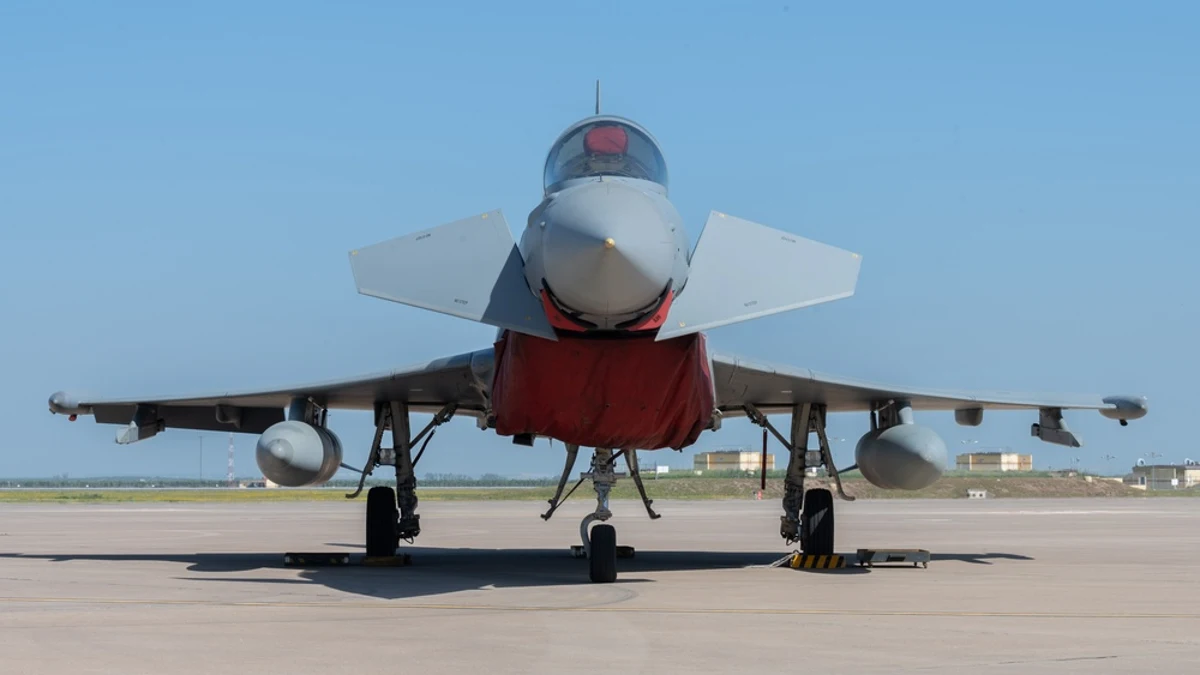
A future European combat aircraft alliance is most likely to unite Germany, Spain and Sweden, according to military aerospace analyst Douglas Barrie.
Barrie, a senior fellow for military aerospace at the International Institute for Strategic Studies in London, said the three nations share operational requirements that make them a natural fit to split the immense costs of developing a sixth-generation fighter.
The forecast was published on 12 June 2026 in comments Barrie gave to the defence news outlet The War Zone. The analyst explained that a trilateral combination could align operational needs better in certain aspects than other European options, warning that Germany and Spain would struggle to sustain such an ambitious program on their own without another partner to share development expenses.
Aircraft production volume directly affects how widely initial research and manufacturing investments can be spread across participating governments. Barrie noted that his assessment did not announce a formal treaty among the three nations or an aircraft already placed on contract. Instead, it framed a pressing industrial question: which partners can build a system ambitious enough to counter advanced threats while remaining compatible with each national air force.
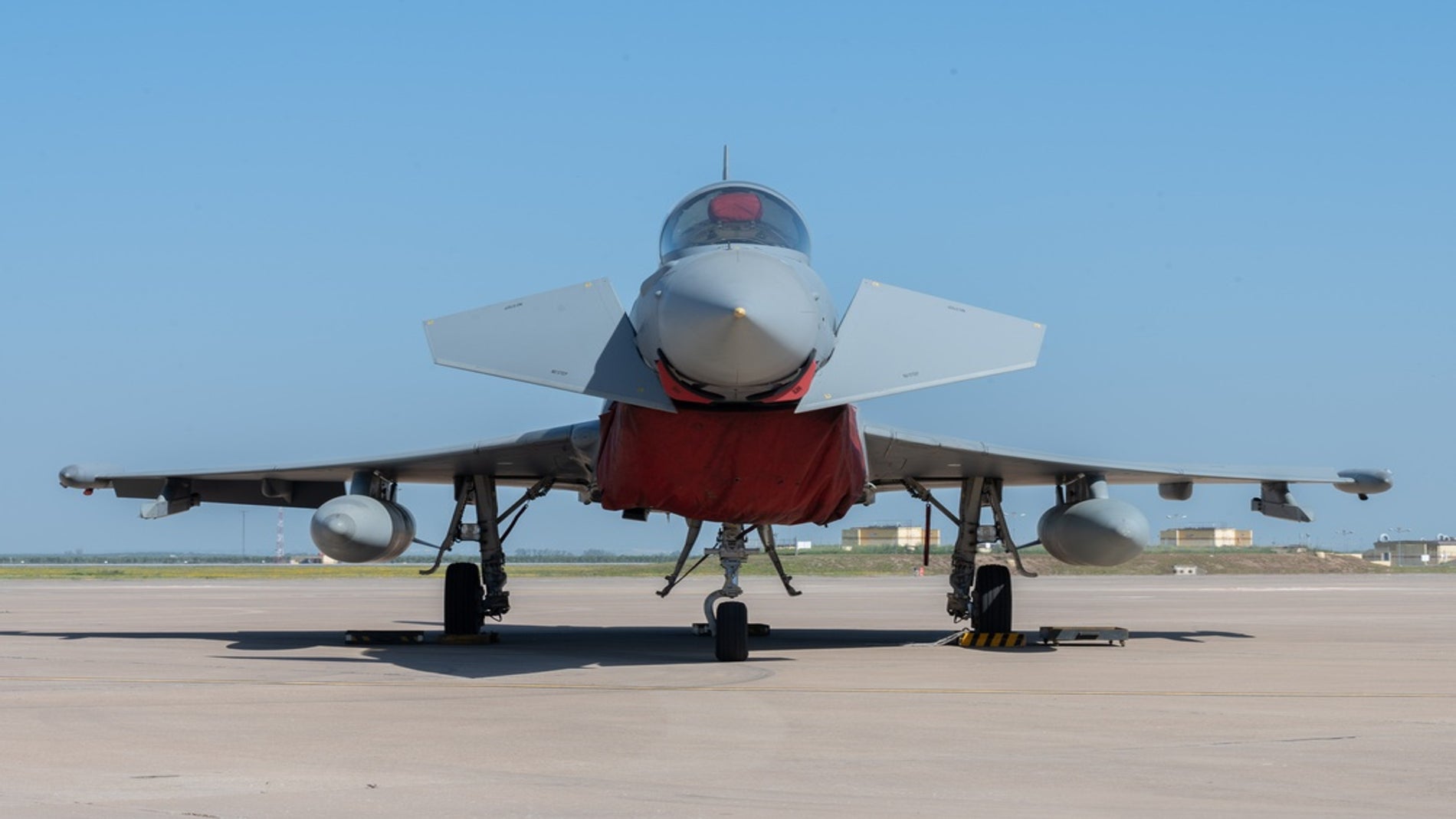
Future Combat Air System architecture
The debate over future combat fleets touches the core of the Future Combat Air System, or FCAS, the multi-nation European program designed to replace front-line aircraft like the Eurofighter Typhoon. Industrial prime contractor Airbus describes FCAS not as a single replacement jet, but as an interconnected network of systems combining manned combat aircraft with unmanned remote carriers that exchange tactical information in real time.
Official planning documentation released by Airbus outlines progressive technological capabilities scheduled to arrive ahead of a 2040 operational horizon. Seamless cooperation across diverse aerial platforms occupies a central role in the program, reflecting the long-term operational challenges facing air arms as they manage and modernize existing fighter fleets, including the Spanish Air and Space Force.
Airbus has made a formal distinction between the industrial reorganization of the planned Next Generation Fighter and broader work on overarching system architecture. This separation avoids equating all elements of the massive initiative with a single airframe. Official plans show that decisions regarding future fleets encompass far more than aerodynamic fuselage design, requiring deep work on underlying data networks.
Spanish industrial involvement
Alongside discussions surrounding Spain future fighter fleet, contractors must develop secure communications, advanced sensors, and operational protocols that permit different platforms to act as a coordinated whole. These industrial responsibilities span multiple technological layers, from cockpit avionics and propulsion to cloud networks and artificial intelligence.
In documentation detailing its industrial initiative, Airbus identifies a coalition of German and Spanish defence firms positioned to deliver critical elements of the architecture. The Spanish industrial participants named by Airbus include Indra, Oesía, GMV, ITP Aero, and Sener, alongside Airbus itself.
These companies represent the primary industrial base for Spain military aerospace sector, providing expertise in radar development, flight systems, engine maintenance, and mission software. Airbus highlighted this roster to identify participants in the ongoing work, but the manufacturer documentation does not on its own prove that Sweden will join the trilateral arrangement Barrie described.
Swedish combat aircraft research
While Germany and Spain examine their joint framework, Sweden is actively pursuing its own national research into future aerial warfare. On 9 September 2026, Swedish defence manufacturer Saab announced a major study contract awarded by the Swedish Defence Materiel Administration, known as FMV.
The FMV contract is valued at 2.9 billion Swedish kronor, or roughly 280 million dollars, to fund continued studies into future combat air systems. The contractual baseline covers research activities from 2026 through 2028, with negotiated options extending the work into 2029 and 2030.
Swedish officials noted that long-term exploratory research coexists with the practical operational lessons provided by ongoing multinational flight exercises. The contract awarded to Saab covers both flight and ground demonstrators alongside conceptual studies for manned and unmanned systems.
Saab confirmed that its research focuses on key technological domains, including platform autonomy, advanced propulsion, system integration, and signature adaptation to minimize radar detection. The declared objective of the Swedish program is to mature domestic capabilities and preserve technological freedom of action, ensuring Sweden retains strategic flexibility before making long-term procurement choices.
Operational requirements and cost sharing
The ground testing, flight demonstrations, and technological integration carried out by Saab complement the operational experience of active fighter units, such as Spanish squadrons operating Eurofighters from Moron Air Base. However, technical demonstrations cannot substitute for a formal political decision on international partners.
The technical documentation published by Airbus and Saab illustrates common ground where trilateral industrial collaboration could take place, but it stops short of confirming any trilateral alliance. The close compatibility of operational needs and program costs remains the foundation of Barrie forecast.
Barrie argued that combining Germany, Spain, and Sweden offers a credible way to assemble enough aircraft orders to justify the massive investment needed for a sixth-generation combat system. For the forecast to become reality, Berlin, Madrid, and Stockholm would need to negotiate formal treaties establishing which nations participate, what systems are built, and how development expenses are funded.