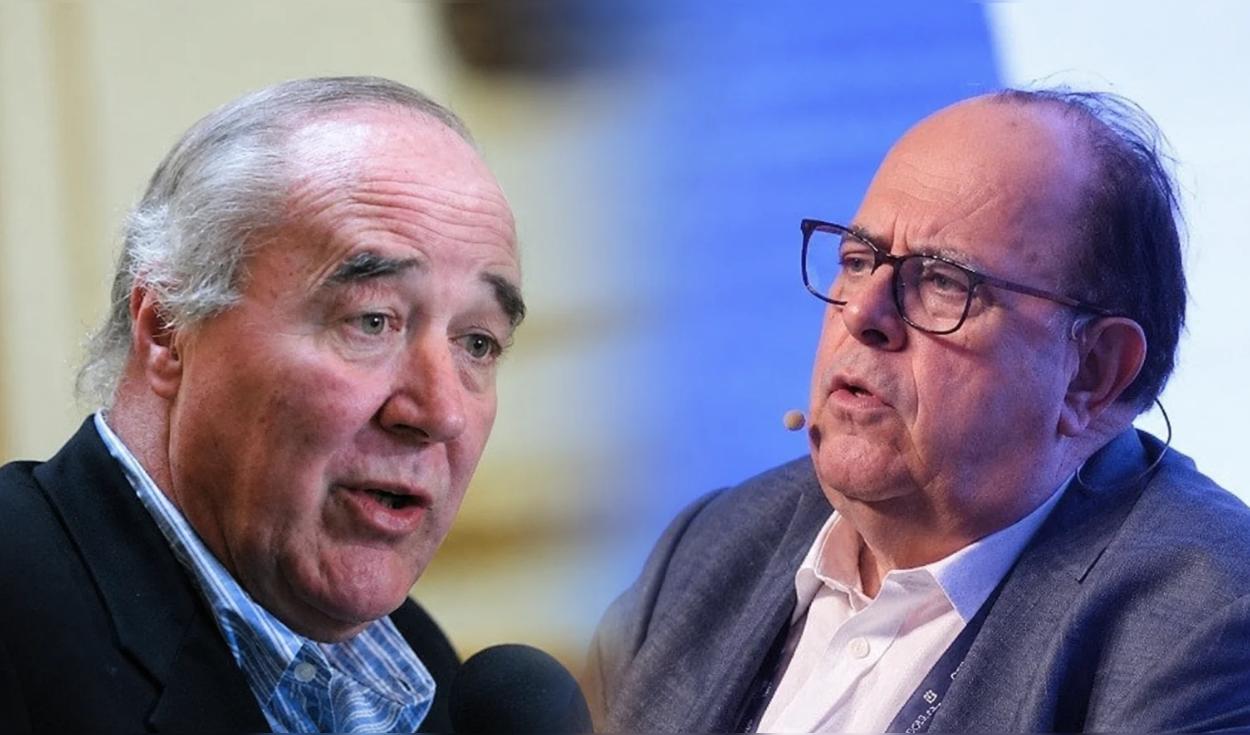
Former Peruvian congressman Víctor Andrés García Belaunde has criticized the Banco Central de Reserva del Perú (BCRP) for not purchasing gold in 20 years, arguing the bank's reserves should better reflect a metal that Peru itself produces.
García Belaunde said the central bank has not bought a single gram, or even one ounce, of gold in two decades, calling this unheard of and unprecedented. He made the comments in an interview with La República.
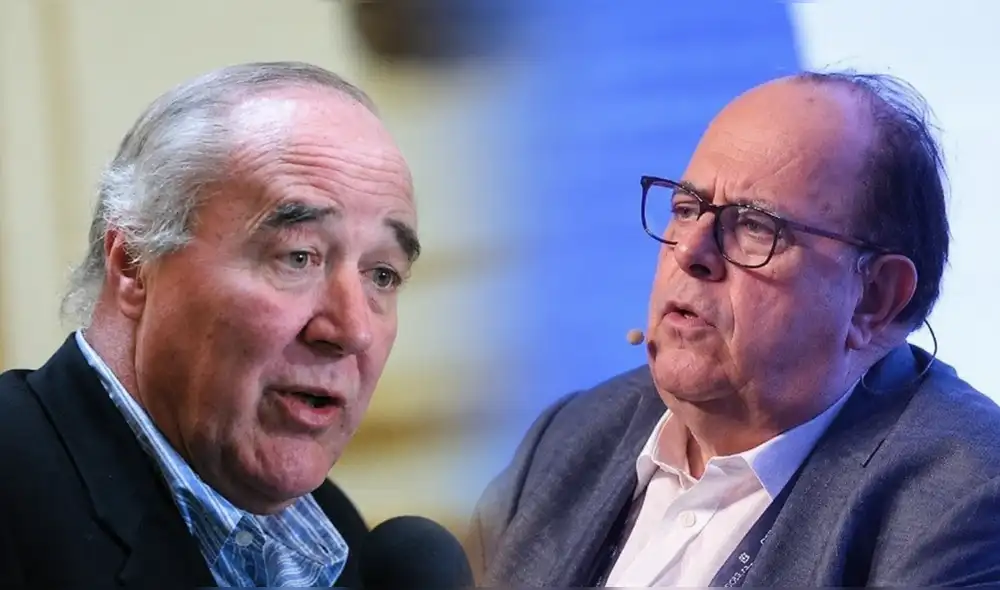
He argued that Peru is squandering the value of the metal at a time of rising international demand and economic and geopolitical uncertainty. He also said part of Peru's gold leaves the country illegally, describing shipments moved into Bolivia from where, he said, the metal can continue on to other markets.
Dispute over Velarde's volatility argument
García Belaunde rejected the reasoning given by BCRP president Julio Velarde, who has cited gold's price volatility as a justification for keeping the bank's exposure to the metal limited. García Belaunde contrasted the performance of gold with that of the US dollar over the same period.
He said that in the 20 years since Velarde took charge of the central bank, gold has risen from 600 dollars an ounce to 3,700 dollars today, a gain of more than 500 percent, while the dollar that Velarde favors and holds has lost more than half its value over the same period.
García Belaunde said Peru has held around 32 tonnes of gold for more than two decades without increasing its holdings. He argued the metal should carry more weight in the country's international reserves precisely because it is produced on Peruvian soil, and said part of its trade takes place irregularly.
He also questioned Velarde's remark that he did not understand why countries such as Poland were increasing their gold purchases. García Belaunde said international instability and conflicts, including the war in Europe, explain why governments are seeking to reinforce their reserves with the metal.
Velarde defends the bank's reserve strategy
Speaking at CADE Ejecutivos 2026, Velarde said gold's volatility shapes the investment decisions of central banks. He said the BCRP relies on financial models and simulations to set the composition of its reserves rather than betting on a future rise in the gold price.
Velarde said the exercises carried out by his technical team recommend that gold make up between 2 and 3 percent of reserves. He noted that gold currently accounts for 7 percent of Peru's reserves, already above what those models suggest.
He said gold is very volatile, which is why most central banks do not hold large amounts of it. He added that simulations run by representatives from Colombia and Chile produced similar results on the recommended share of gold in their portfolios.
Geopolitics and sanctions fears
Velarde also said that some countries' gold purchases are driven by fear of international financial sanctions, following the freezing of Russian assets. He pointed to purchases by Poland, the Czech Republic and China, describing a geopolitical environment that has pushed some governments to diversify their reserves.
The Banco Central de Reserva del Perú is the country's monetary authority, responsible for managing Peru's international reserves and setting monetary policy. Julio Velarde has led the institution for roughly two decades, a tenure that has made him one of the most prominent central bankers in Latin America.
Test yourself
According to García Belaunde, how long has the BCRP gone without buying gold?
What share of Peru's reserves does gold currently represent, according to Velarde?
What reason did Velarde give for some countries increasing their gold purchases?
Have your say
Should Peru's central bank increase its gold reserves?
Where it happened
Lima, Peru