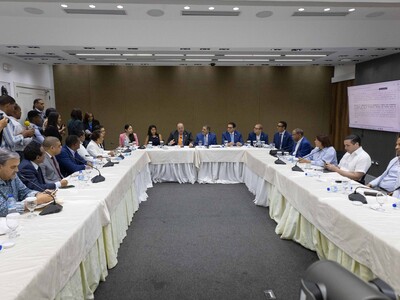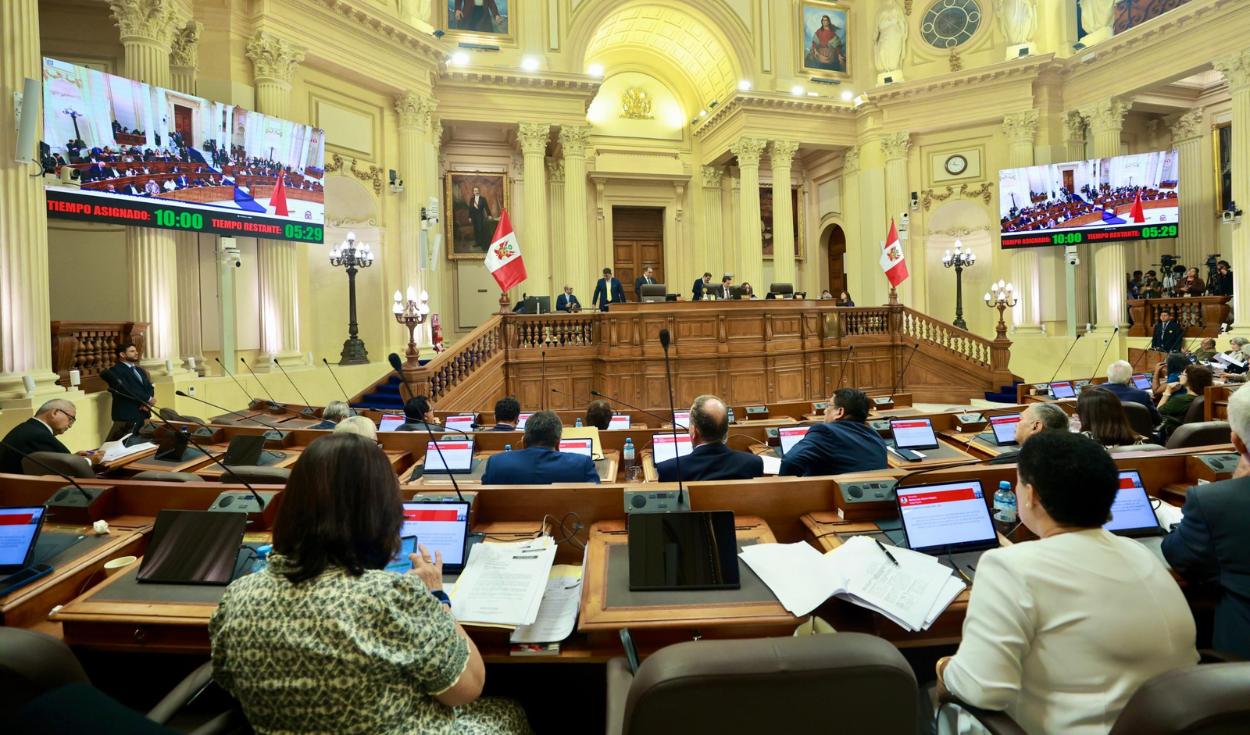
Peru's Senate plenary voted 51 to 0, with no abstentions, to repeal Law 32645, which had created the Professional Guild of Artists of Peru. The vote took place during a Friday session of the full chamber.
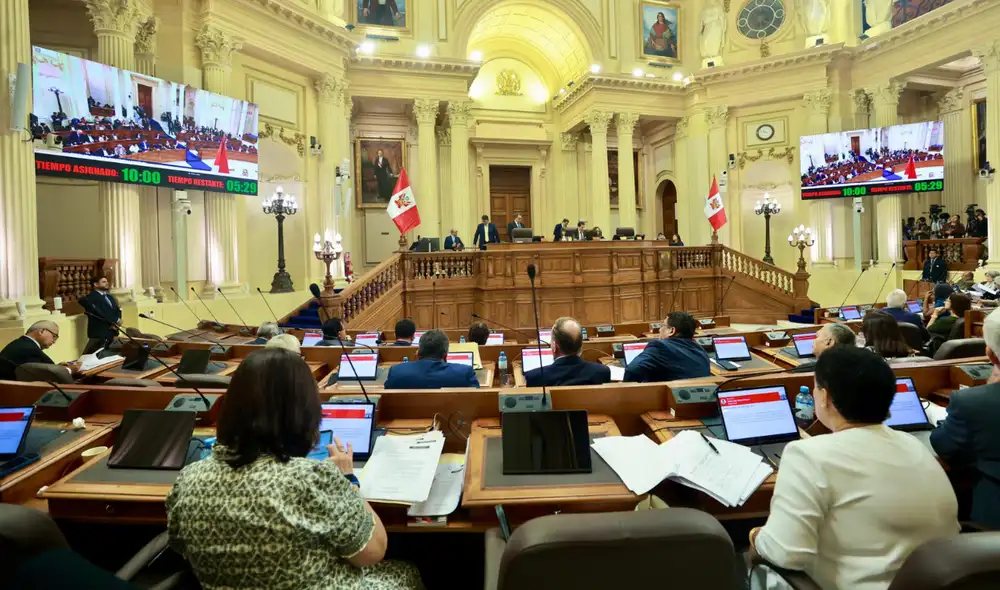
The repeal was carried through Bill 18-2026-2031-S, which was sent to the Senate by the Chamber of Deputies and approved based on a report from the Committee on Health, Education, Culture, Women, and Social and Digital Development.
Senator Susana Matute Charun, of the Partido del Buen Gobierno and president of that committee, told the chamber during debate that requiring a professional degree to join the guild excluded a large share of cultural workers. She presented figures showing that 43.4% of artists learned their craft through family or communal tradition, while 42% were self-taught.
Concerns Over Hiring and Oversight
Matute also warned that guild affiliation could become a filter blocking access to job contracts. She questioned the oversight powers the institution would have held, saying they could open the door to restrictions on artistic creation. She added that the commission set up to organize the guild had never actually been installed.
Hugo Ccahuana, of Juntos por el Peru, called for mechanisms allowing cultural workers to contribute to insurance schemes and access a pension. He also defended artists' right to express social and political criticism through their work.
Other Senators Weigh In
Senator Barragan highlighted the approval of the repeal and referenced other measures adopted during the same session, including a report promoting food donation and easing the transport of donated goods in natural disaster situations.
Iber Maravi backed scrapping Law 32645, arguing that it discriminated against and added bureaucracy to artists' work. He said art needs support and freedom to produce work with social content, and argued that art does not deserve to be branded as subversive. He also urged cultural workers not to give in to threats or criticism over their creative output.
Law Threatened Freedom of Creation, Senator Says
Senator Mirtha Vasquez also spoke after the vote, saying the law threatened freedom of creation. She argued that imposing requirements to practice artistic activity opened the door to censorship and excluded those who had learned their craft through self-teaching or communal tradition. She recalled that the law had drawn rejection from the artistic community.
Vasquez asked that the repeal be promulgated quickly so its effects could take hold. She warned of the risk that mechanisms of political control, persecution and exclusion could be imposed on cultural workers. She said the next step should be building an agenda that guarantees decent working conditions and respects artists' freedoms.
Background
The Senate is one of two chambers of Peru's Congress, which returned to a bicameral structure for the 2026-2031 legislative period after decades of operating with a single chamber. The repealed law had established the Professional Guild of Artists of Peru as a body overseeing the cultural sector.
What happens next
Senator Mirtha Vasquez asked that the repeal be promulgated soon so its effects can take hold, and said the next step should be building an agenda guaranteeing decent working conditions and respecting artists' freedoms.
Test yourself
By what vote did Peru's Senate approve repealing Law 32645?
What share of artists did Senator Matute say were self-taught?
What did Senator Vasquez say the law risked enabling?
Have your say
Should professional artists in Peru be required to hold a formal degree to practice their craft?
Where it happened
Lima, Peru