Spain's Horizontal Property Law gives residential communities a legal tool to stop neighbors who turn their homes into noisy businesses, even when the activity starts as simple remote work. Under Article 7 of the law, a community of owners can take action against anyone whose professional activity causes a constant flow of clients, noise or other disturbances.

Good coexistence in a community of property owners rests on mutual respect, and dialogue is one of its pillars. But when noise or other disturbances are repeated and disrupt neighbors' rest, the situation can become untenable, which is when the law offers tools to protect residents' wellbeing.
Article 7 of the Horizontal Property Law states that owners and occupants of a flat or premises are not permitted to carry out activities prohibited by the building's statutes, that damage the property, or that contravene general rules on nuisance, unhealthy, harmful, dangerous or illegal activities. In short, the use of private property has limits when it negatively affects the rest of the community.

Home businesses and where the limit lies
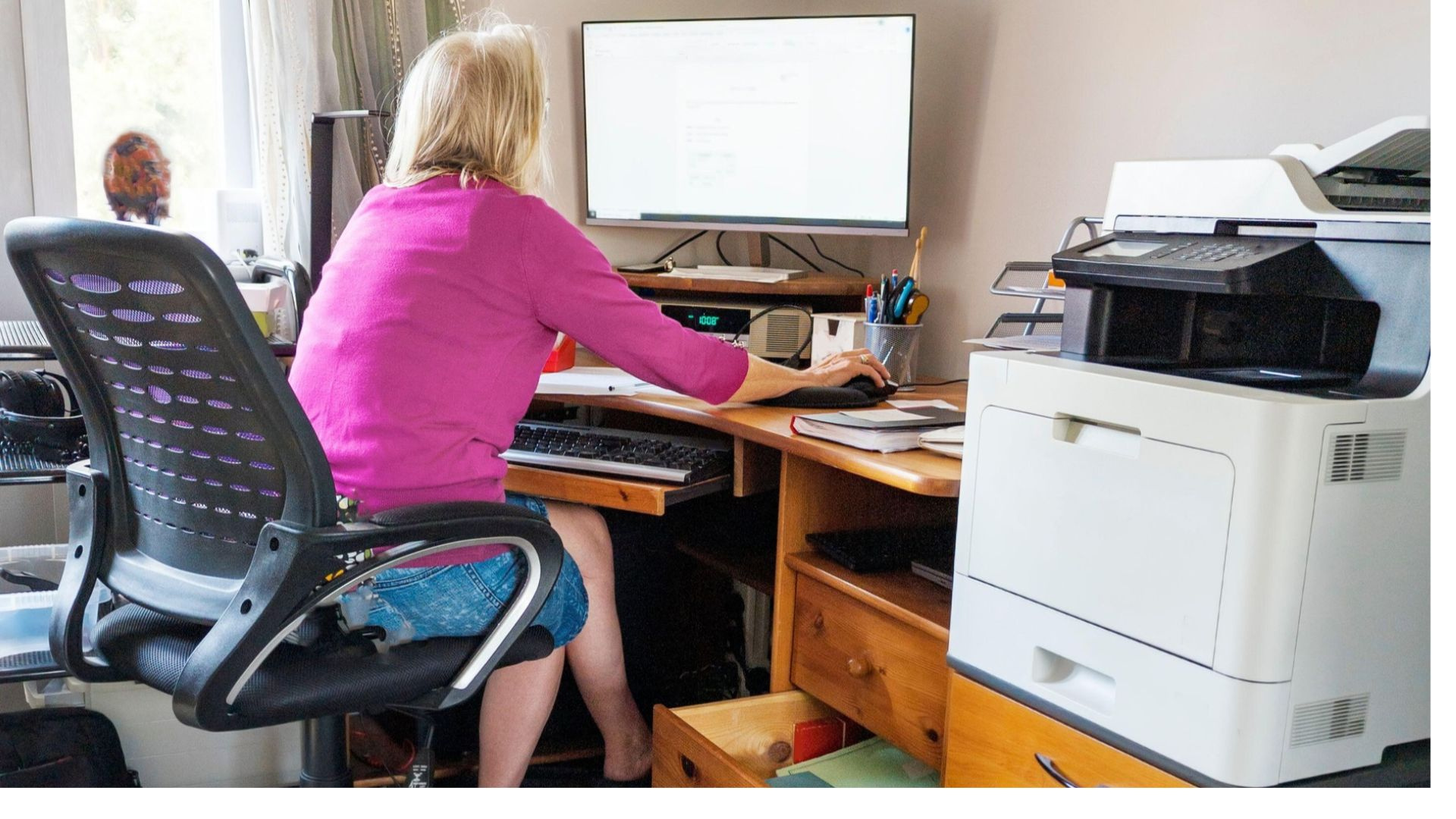
Working from home with a computer is allowed, but the situation changes when a professional activity brings a constant stream of visitors. Turning a home into a medical consultation, a beauty salon, an academy or an events venue is not the same as teleworking at a laptop. If that movement of people creates noise in common areas, repeated calls to the intercom or security problems, the activity can seriously damage coexistence among neighbors.

The key issue is not banning any professional activity outright, but determining whether it harms the building, is prohibited under the community's statutes, or causes significant disturbance to neighbors. The same principle applies to paid parties, illegal activities, or actions that cause direct damage to the building's structure or shared areas.
When does noise count as a nuisance?
Not all noise can be reported. Everyday sounds, such as dragging a chair or running a washing machine, are part of daily life. Problems arise when these actions are repeated constantly, reach an excessive volume, or occur during rest hours.
Patricia Briones, coordinator of the Legislative Commission at the General Council of Spanish Associations of Property Administrators, said the line is crossed when noise, because of its intensity, persistence or repetition, exceeds what is tolerable in neighborly life and clearly damages residents' ability to use and enjoy their homes.

Because the perception of noise is subjective, objective criteria exist to measure it. Rubén Llach, vice-president of the Col·legi d'Administradors de Finques de Barcelona-Lleida, noted that what is disturbing to one person may not be to another. For that reason, beyond individual sensitivity, municipal ordinances set maximum decibel levels and specific hours for certain activities.
From dialogue to court action
Before starting any legal process, specialists recommend direct communication. Llach said the first step should always be to talk, since the person causing the disturbance is often unaware of the harm they are causing their neighbors.
If dialogue fails, the next step is to approach the president of the community of owners. Briones said any affected neighbor can ask the president to formally require the owner or occupant to stop the disturbing activity.
When the person responsible ignores that formal request, the community of owners can launch a judicial procedure known as a cessation action, provided for under the Horizontal Property Law. The consequences of this legal action can be serious and go beyond a simple order to stop the noise.
Briones warned that a judge can order the definitive end of the activity and even strip the owner of the right to use their own home for a set period, which can reach up to two years in Catalonia and up to three years in the rest of Spain. If the person responsible is a tenant rather than an owner, the dispute can end with the termination of their rental contract.
Test yourself
Which article of Spain's Horizontal Property Law covers disturbing activities in a home?
According to the specialists cited, what should a neighbor do first if a home business is causing a disturbance?
For how long can a judge bar an owner from using their home in the rest of Spain, outside Catalonia?
Have your say
Should residents be allowed to run client-facing businesses from their flats?