

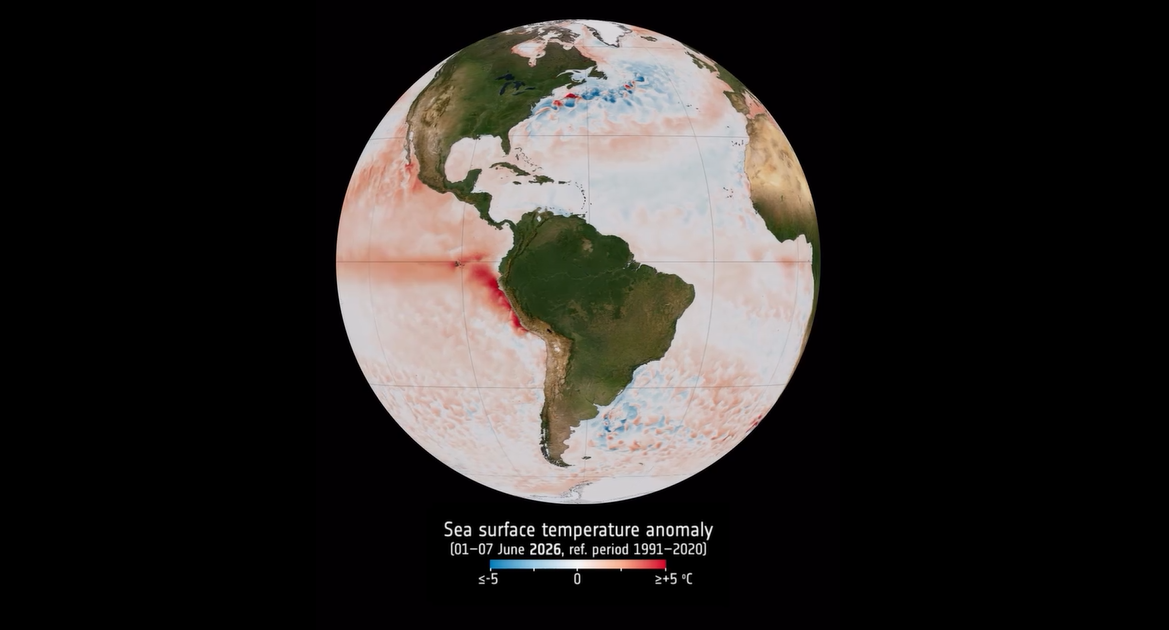
The United Nations World Food Programme warned on Wednesday that a strong El Nino weather phenomenon could push nearly 49 million more people into acute food insecurity across vulnerable regions by late next year.
The agency stated in a report that there is an 81 percent chance of a very strong El Nino developing, with sea surface temperatures rising to their highest levels since at least 1982. Experts estimate the event could become the most intense of its kind recorded since 1950.
El Nino is a climate pattern marked by the periodic warming of ocean surface waters in the tropical Pacific Ocean. This oceanic change disrupts global weather, typically bringing severe drought to Southern Africa, delaying monsoon rains in parts of Asia, and causing erratic rainfall in other parts of the world. The World Food Programme, headquartered in Rome, is the primary humanitarian organization within the United Nations system providing food assistance worldwide.
Impact on vulnerable regions
Based on an analysis of 45 nations particularly vulnerable to climate shocks, the World Food Programme estimates that the number of people suffering acute food insecurity could rise by nearly 49 million to reach 274 million. That represents a 22 percent surge above baseline populations already facing crisis level hunger or worse.
Jean-Martin Bauer, director of the Food Security and Nutrition Analysis Service at the World Food Programme, told reporters that similar severe climate occurrences had triggered large scale hunger in the past.
Central America and Southern Africa are projected to be among the hardest hit regions. The World Food Programme report indicates that the number of food insecure individuals could jump by 83 percent in Central America and by almost 75 percent in Southern Africa.
Southern Africa, South America, and the Caribbean could each see more than 12 million additional people fall into acute food insecurity as weather conditions deteriorate.
Global food prices and conflict
Bauer explained that global food commodity markets entered this current El Nino period in a relatively solid condition following bountiful harvests in 2025. Good crop yields in major producing nations helped stabilize global inventories prior to the onset of adverse weather.
However, ongoing geopolitical conflicts in the Middle East alongside potential crop losses caused by extreme weather could exert renewed upward pressure on food prices. Elevated shipping costs and supply line disruptions remain major risks for international food trade.
Bauer noted that although previous El Nino cycles did not always cause massive spikes in global food prices, localized crop failures and regional price increases could still cripple access to basic food for vulnerable households.
Funding cuts and data shortages
Efforts to track and respond to the crisis are being hindered by major funding reductions. Financial cuts by donor governments in the United States and Europe in 2025 have restricted humanitarian operations and emergency monitoring.
Bauer described a growing shortage of essential food security data used to measure El Nino impacts. The World Food Programme carried out approximately 1.1 million household surveys in 2024, but that number fell to about 800,000 in 2025.
Field survey data collection has dropped even further this year as funding limitations tighten. Aid organizations rely on household surveys to track food consumption, income levels, and malnutrition rates among vulnerable communities.
Bauer warned that high frequency data collection is essential when facing a major risk like El Nino, emphasizing that reduced monitoring will make it far more difficult to detect emerging food crises quickly.


