About 14,000 people died from the heat in Germany this summer, with the suffocating climate causing more than 9,600 deaths in a single week in June.
The Copernicus Climate Change Service and the World Meteorological Organization estimated that damage from forest fires and lost production in Europe could exceed 180 billion euros.
France, Germany, Hungary, the United Kingdom, the Netherlands, Denmark, Switzerland and Austria recorded the highest temperatures in their history. The United States also experienced unprecedented heatwaves, providing a preview of the future if serious measures are not taken to contain global warming.
Giant forest fires burned in Spain, France, Greece and the US as the world struggled to control the greenhouse gas emissions partly responsible for the catastrophe. Heatstroke deaths were reported on the streets of major cities including Madrid and Rome, serving as an alarm that climate change has not captured adequate attention from governments on all continents.
Conflict and climate
The death toll from the heat has competed for attention this year with wars in Ukraine, Iran, Lebanon and the Gaza Strip. The extreme temperatures can prove much more lethal than Russian or Ukrainian missile and drone attacks, with fewer than 500 civilians killed in the war in Ukraine in July.
Global conflicts and political instability have led to a paralysis in addressing the environmental tragedy and a reversal of green policies. Wars have forced some countries to return to dangerous energy generation, reactivating coal and fossil fuel power plants and increasing greenhouse gas emissions.
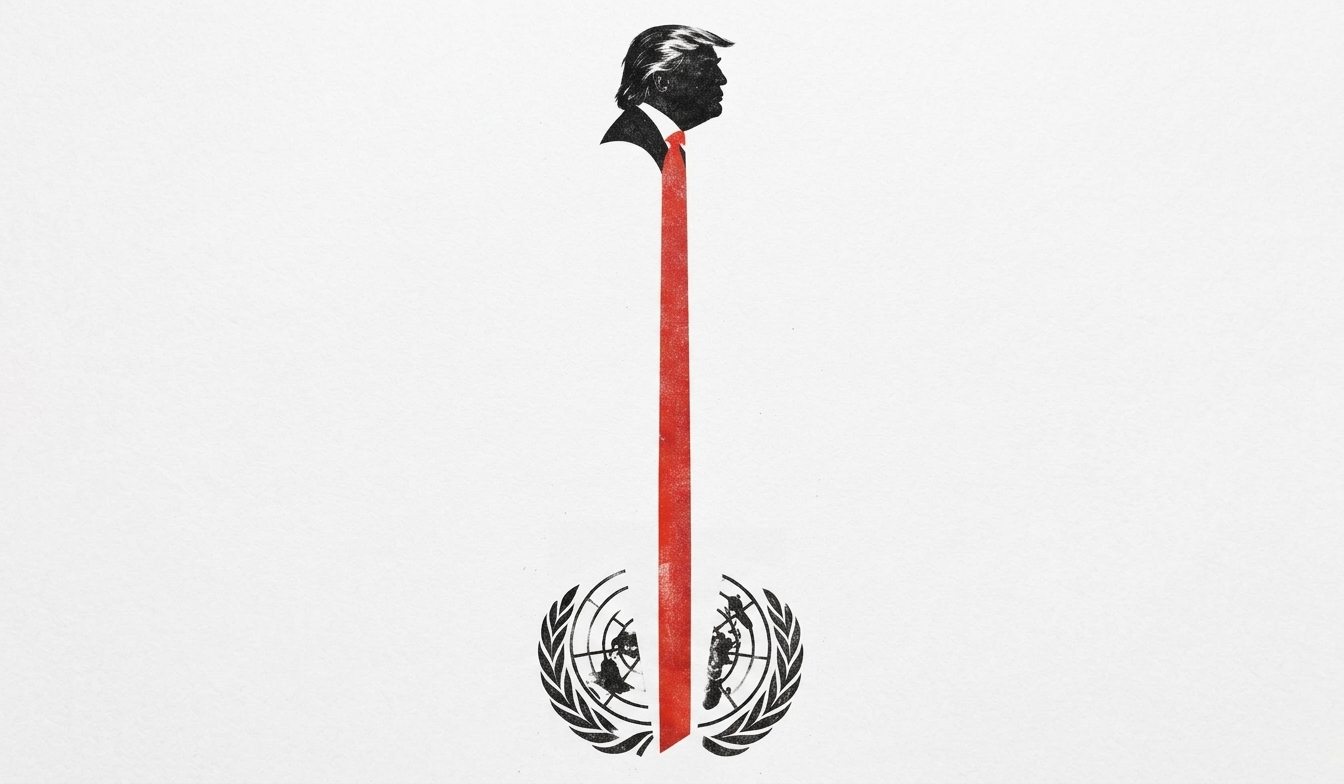
The Paris Agreement, an international treaty on climate change adopted in 2015, set targets and required significant investment, but practical results have been insufficient. The voice of the United Nations has also weakened, suggesting the battle to stop global warming is being lost and temperatures will continue to rise in the coming years with unimaginable damage and loss of life.
Tactical retreat
The anticipated green revolution has turned into a tactical retreat, which has sometimes been promoted intentionally, as in the US. The push against fossil fuel cars has become driven more by novelty and individual environmental awareness than by supportive policies.
Many countries have withdrawn or failed to create incentives for electric vehicles, leaving internal combustion engines dominant in the vehicle fleet with no significant downward trend.
The extreme weather has been exacerbated by the El Niño weather phenomenon, which escalated into a Super Niño this year. The climate pattern typically occurs every two or three years, but this year brought devastating effects.
Latin America forecast
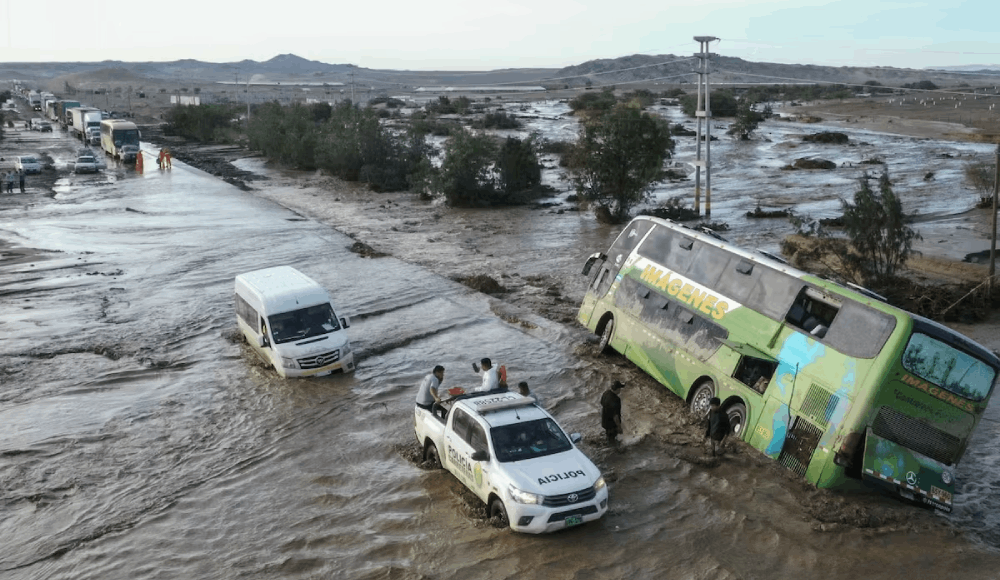
Meteorologists forecast further extreme weather for Latin America at the end of the year. Central America, northern South America and parts of Brazil will suffer severe drought and water stress, bringing problems for electricity generation.
Peru, Ecuador and the lower part of the Southern Cone, including Argentina, Paraguay, Uruguay, central Chile and other areas of Brazil, are expected to suffer from excessive rainfall.
The crisis recalls a question posed by the British anthropologist Jane Goodall, known for her work protecting primates, who asked how it was possible that the species with the greatest intellectual capacity in history was destroying its only home.