

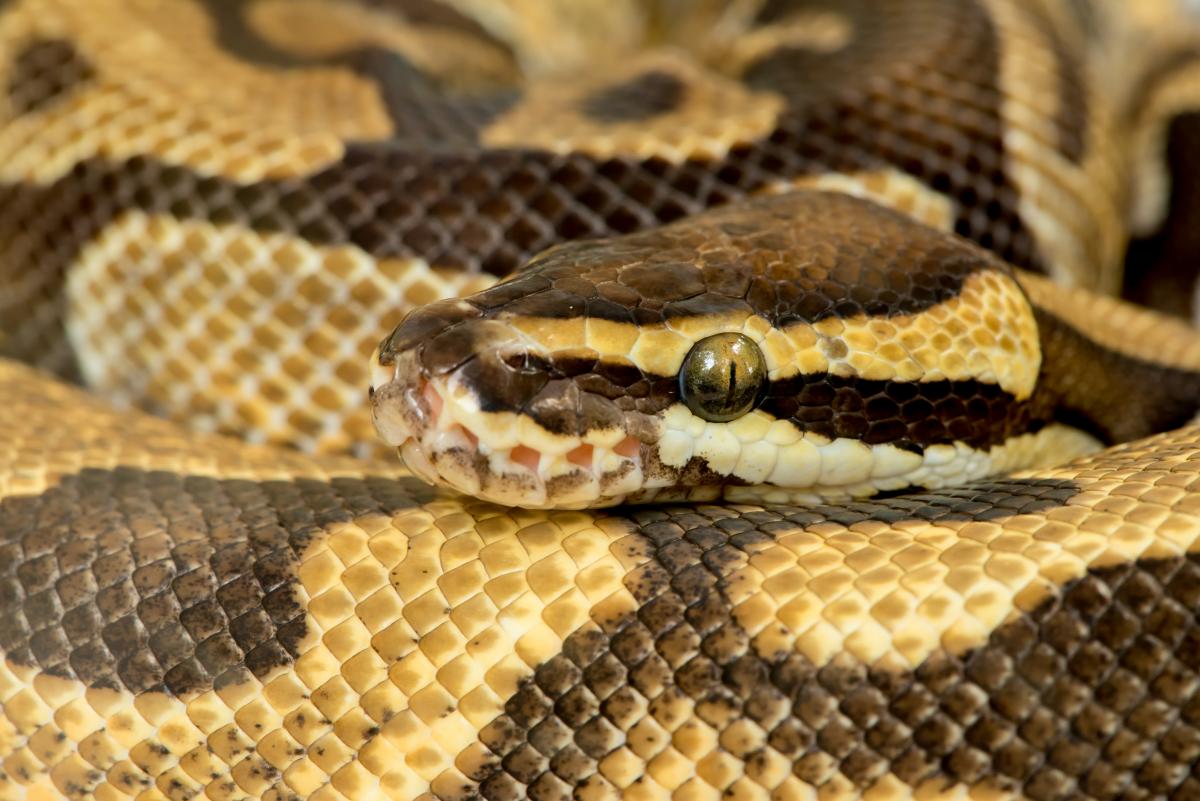
Biologists in Florida have proposed using mosquitoes to track invasive Burmese pythons hiding across the Everglades, according to a report by the Times of India.
The novel concept originated during doctoral research conducted by Lawrence Reeves at the Florida Medical Entomology Laboratory, which operates under the Florida Institute of Food and Agricultural Sciences. Reeves and his research team sought to explore an unexamined relationship by investigating how native mosquito populations interact with pythons in the wild.
To test their hypothesis, researchers gathered mosquitoes at a farm facility where pythons are housed in open outdoor enclosures. Subsequent laboratory testing of the blood retrieved from the stomachs of the insects revealed python DNA across three distinct species of mosquitoes.
The diagnostic mechanism is straightforward. When a mosquito bites an animal, it retains a trace of the host blood within its body. By extracting and isolating DNA from that blood meal, scientists can accurately determine which specific animal species the insect fed upon.
Instead of manually searching through vast stretches of marshland and dense brush to spot a hidden snake, field researchers could simply trap mosquitoes in a targeted area and screen their blood for python genetic material.
Burmese pythons are large constrictor snakes native to Southeast Asia that have established invasive populations in southern Florida, where they threaten native wildlife. The Florida Everglades is a tropical wetland ecosystem spanning millions of acres, characterized by dense sawgrass marshes and submerged mangrove forests that offer ideal cover for cryptically patterned reptiles.
Locating the snakes has proven exceptionally difficult because the Burmese python is a master of camouflage. Its natural coloration and semi-aquatic lifestyle allow it to blend seamlessly into dense swamp vegetation and murky waters. While observers might expect a massive snake to be easily visible, scientists emphasize that detecting them in field environments is extremely challenging in practice.
Tracking snakes in remote terrain
Wildlife managers have previously relied on teams of human volunteers, specially trained scent-detection dogs, and expert snake trackers from the Irula community, an indigenous group in India renowned for traditional tracking skills. However, each approach faces severe operational limits: manual foot searches are extraordinarily time-consuming, and rugged, inundated terrain often remains completely inaccessible to human searchers.
Mosquitoes offer a significant operational advantage because they fly effortlessly into dense brush, tree canopies, and remote marshlands that humans cannot penetrate. By capturing these insects, scientists can retrieve biological clues and genetic data from locations that are otherwise impossible to observe directly.
Beyond locating individual snakes, researchers suggest that mosquito blood analysis could transform broader ecosystem monitoring. The method could allow wildlife authorities to map the overall expansion of invasive pythons and conduct comprehensive biodiversity assessments across fragile habitats.
Revising wildlife lifespans
In another scientific finding noted in the report, researchers have dramatically revised long-held assumptions regarding the lifespan of the lake sturgeon. The lake sturgeon is a large freshwater fish species native to North American river basins. Previously believed to have a maximum lifespan of roughly 150 years, updated scientific data indicates the fish can actually live for up to 400 years.


