

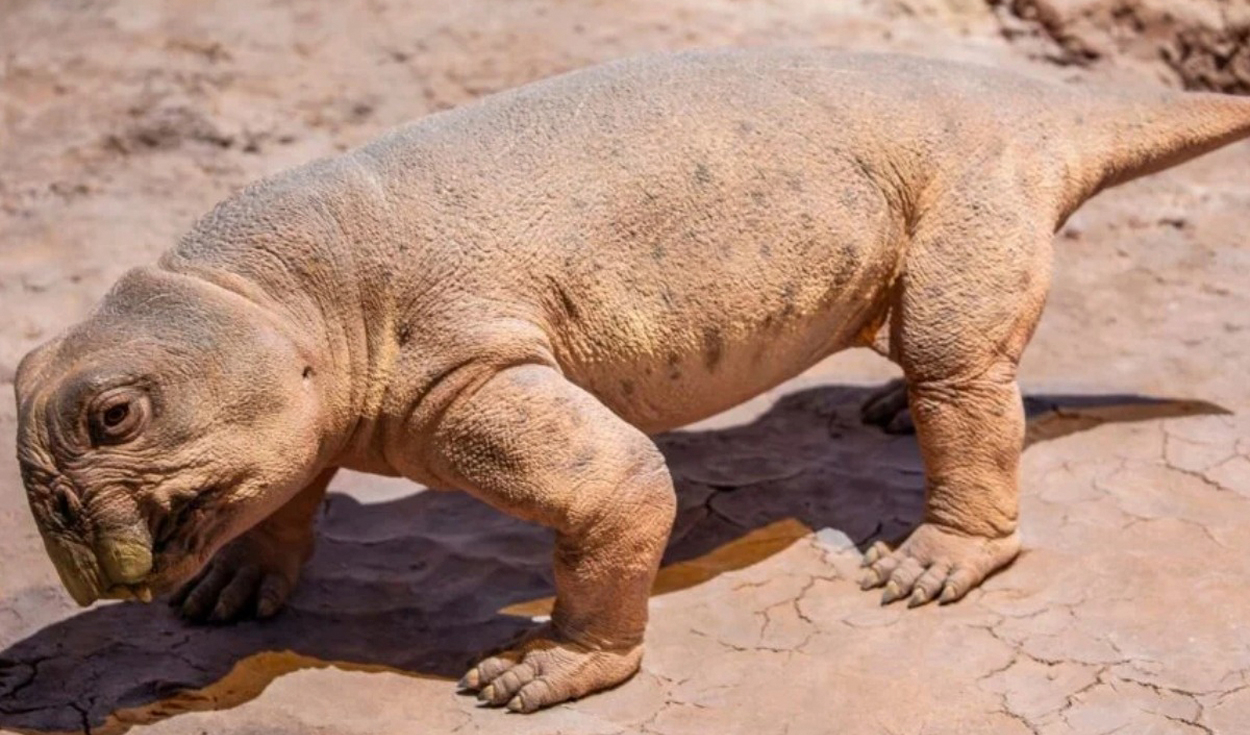
Researchers have discovered the first Lystrosaurus egg containing an embryo, offering direct evidence of egg-laying reproduction in mammal ancestors from ancient Pangea. The dog-sized protomammal survived and expanded after the Permian-Triassic mass extinction, one of the largest extinction events in Earth's history.
The fossil allowed scientists to directly observe the development of an embryo inside the egg. Researchers believe the reproductive strategy of Lystrosaurus gave the animal an advantage under the extreme environmental conditions following the extinction event.
The eggs were huge in relation to the size of the animal, which allowed hatchlings to emerge relatively developed. This allowed the young to move around and feed shortly after hatching, providing a key advantage in harsh post-extinction environments.
Egg structure and preservation
Researchers also proposed that the eggs had a soft, leather-like shell designed to protect the embryo against desiccation. That soft structure decomposed rapidly, explaining why such eggs are extremely rare in the fossil record and unlikely to be preserved over millions of years.
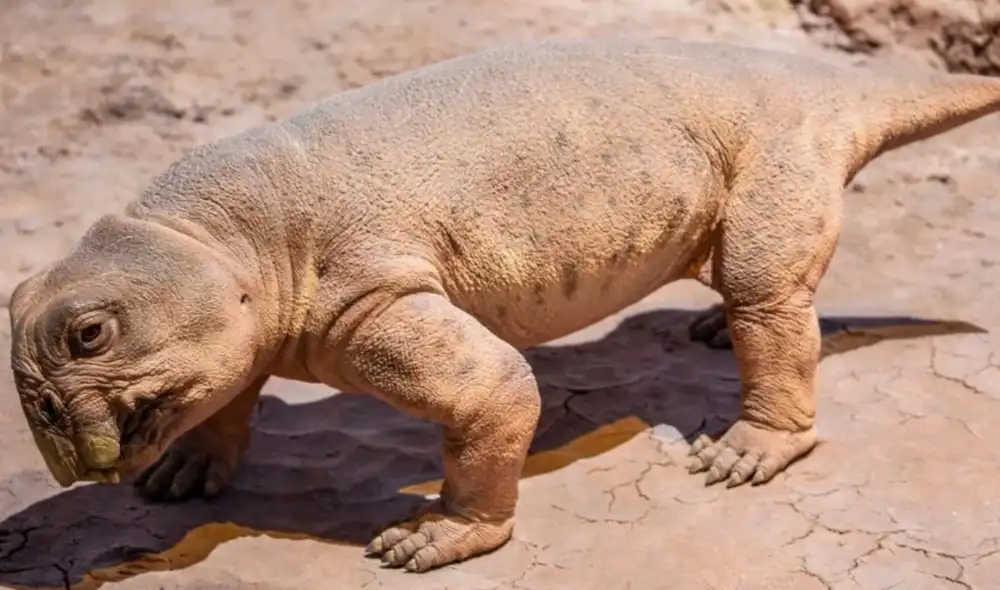
The fossil was originally found during a 2008 field trip led by Jennifer Botha of the University of Witwatersrand. Botha recalled leading the expedition when the fossil specimen was first collected.
Synchrotron scanning and embryo analysis
Years after the discovery, the research team analyzed the fossil using synchrotron imaging at line BM18 of the European Synchrotron Radiation Facility, known as the ESRF. The scans reached a spatial resolution of just a few microns.
Vincent Fernández, who was in charge of the scans, explained that scanning the fossil properly was essential to capture the level of detail required to resolve its tiny and delicate bones. The images revealed that the embryo jaw had not yet completed the union between its two halves, confirming that it was immature.
Julien Benoit said he felt great excitement upon seeing the incomplete mandibular symphysis in the embryo. According to the ESRF, the finding provides the first direct evidence of oviparous reproduction in mammal ancestors.


