


Brain aging begins several decades before the first cognitive symptoms or memory problems appear, according to a study by researchers at the University of California, Los Angeles.
The trial by UCLA Health revealed that the gap between a person's biological age and their brain age develops decades before initial symptoms show, driven by changes in the gut microbiome.
UCLA Health, a major academic healthcare system based in Los Angeles, conducts clinical research into neurological disorders and human health. The gut microbiome consists of trillions of microorganisms residing in the digestive tract that influence immune function, metabolism, and communication along the gut-brain axis.
Historically, medical attention focused on brain aging primarily during the final stages of life or after a patient received a formal diagnosis of dementia or another cognitive disorder. However, a person's brain age does not always match their actual chronological age.
Researchers found that the brain can age faster than the rest of the body by several decades. In this uneven aging process, specific biological factors serve as early clues for investigators to identify brain aging symptoms, not only through memory loss or behavioral changes, but also through gut microbiota profiles.
Dr. Arpana Church, co-director of the Goodman-Luskin Microbiome Center at UCLA Health and lead author of the study, identified the presence of specific gut bacteria and chemical substances in subjects with higher rates of brain aging.
Neuroimaging and machine learning analysis

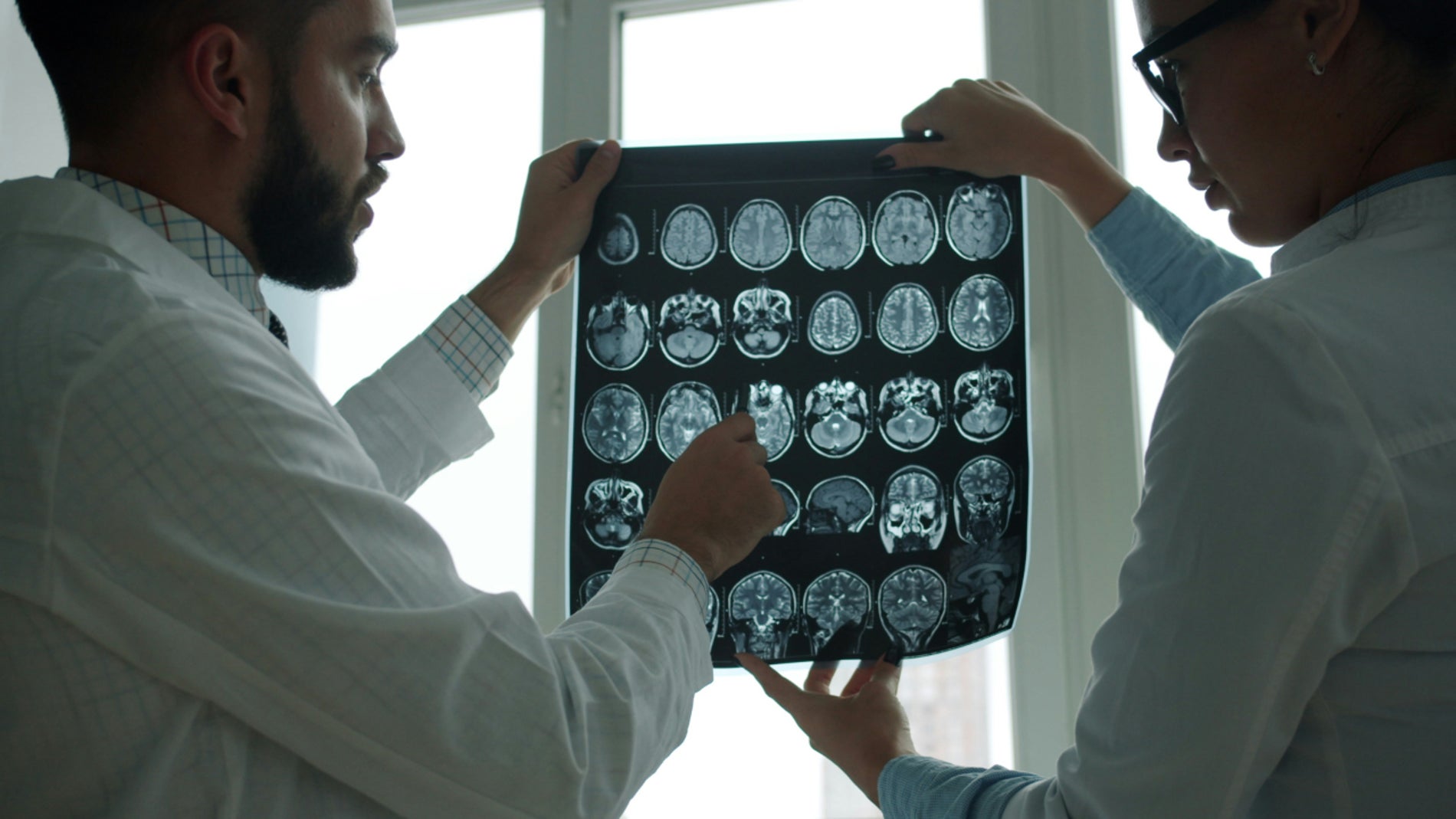
The study examined a sample of 1,500 clinically healthy young and middle-aged adults. The research team utilized advanced magnetic resonance imaging (MRI) neuroimaging techniques to examine structural patterns and functional connectivity across the brain.
Magnetic resonance imaging uses strong magnetic fields and radio waves to generate detailed images of internal organs and neural tissue without surgery or ionizing radiation. Functional connectivity measures how different regions of the brain communicate and work together during cognitive tasks or rest.
Investigators focused specifically on neural networks responsible for memory storage, emotional processing, and self-reflection. Machine learning algorithms, which process large data sets to identify complex statistical patterns, calculated an estimated brain age for each participant to measure the gap against their true chronological age.
The study was published in the specialized medical journal eBioMedicine, an open-access peer-reviewed journal published by The Lancet group. Previous research in this field had connected aged brain scans to memory problems and mood disorders, but those earlier studies focused almost exclusively on elderly individuals or patients already experiencing cognitive decline.
The new investigation aimed to anticipate the moment when the brain shows signs of advanced aging long before outward cognitive issues surface.
Metabolic footprints in gut bacteria
To evaluate both neurological status and digestive health across a large population, researchers collected fecal samples from participants to perform genetic sequencing analysis of their gut microbiome. They also measured and quantified the levels of various metabolic compounds in blood samples.
Cross-referencing the neuroimaging data with each individual's metabolic profile revealed a direct link between accelerated brain aging and specific bacterial communities in the body. Participants whose estimated brain age exceeded their actual chronological age displayed significantly lower microbial diversity in their digestive systems.
A higher brain aging index was associated with the presence of specific gut bacteria and particular metabolic byproducts. These included concrete fat molecules, a compound linked to cholesterol, and reduced levels of estetrol. Estetrol is a naturally occurring estrogen hormone produced during human development that plays roles in physiological regulation.
The identified metabolic and bacterial alterations affected critical biological pathways, including immune system responses, blood vessel function, cellular energy production, and signaling pathways between brain cells.
Early prevention through gut health
Identifying this biological connection offers a key pathway for preventing cognitive decline during its earliest stages. Church explained that linking early brain changes to the gut microbiome and its metabolites allows scientists to identify who is at risk and determine where interventions can be made to foster healthier brain aging.
Future research that deepens the understanding of microbiota components and brain aging could allow scientists to detect individuals at risk of cognitive disorders much earlier. This research opens a new approach to protecting long-term brain health through targeted care of gut health.


