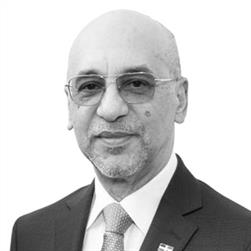

Spanish author Angela Vallvey has called for Spain to end its policy of appeasement toward Morocco following recent border fatalities in the enclave of Ceuta.
Writing in an opinion article published on August 19, 2026, Vallvey argued that magical thinking will not resolve border issues in Ceuta, Melilla, and the Canary Islands.
She contended that diplomatic concessions have only encouraged growing pressure and tactical siege tactics from Rabat, leading to an unconfirmed number of deaths during the latest Ceuta border assault.
Vallvey described the fatalities as a historical indignity more characteristic of ancient barbarism than modern governance, arguing that Morocco cannot participate in such maneuvers while claiming to be a modern partner.
Economic levers and border security
Vallvey urged Spain to return to strict reciprocity with Morocco based on mutual respect and inviolable borders, advocating for Spain and the European Union to use economic levers that currently favor Morocco at Spain's expense.
She added that European authorities possess economic antidotes capable of producing devastating effects for Morocco, which should be asserted to prevent migratory fragility from being weaponized as an instrument of war.
Ceuta and Melilla are Spanish autonomous cities located on the North African coast, forming the European Union's only land borders with Africa. Along with the Canary Islands, these regions face ongoing migration pressure from North Africa.
Royal visits and government critique
Vallvey called on the King and Queen of Spain to make official visits first to Ceuta and then to Melilla, questioning why they have never visited territories as fully Spanish as Valpuesta in Burgos.
She urged that the Infantas should also visit, adding that Spain needs brave, honest, empathetic, and enlightened leaders who should spend the rest of their summer vacations residing in Ceuta.
Valpuesta is a Spanish village in Burgos famous historically for preserving some of the earliest recorded written documents in the Spanish language. Spain's royal family includes King Felipe VI, Queen Letizia, and their daughters.
Social media use and executive accountability
Criticizing politicians on social media, Vallvey mocked leaders using TikTok who use improper phrasing for books, noting that literate readers understand books are titled rather than merely named.
She accused public officials of retreating from disasters and displaying aggressive insensitivity toward victims of calamities, stating that rulers should not cool their palaces and pools while the nation suffers.
Vallvey argued that leaders become useless when they increase bodyguards and armed convoys as border invasions grow, using security to ignore the desperate complaints of taxpayers who fund government celebrations.
The column, archived under Ceuta, illegal immigration, and the Spanish government of Prime Minister Pedro Sanchez, concluded with Vallvey criticizing political elites for prioritizing self-preservation over public duty.