


Colombian President Abelardo de la Espriella declared a national disaster after a magnitude 7.4 earthquake struck the country on Monday, killing up to 240 people. Just 72 hours after his inauguration, the conservative leader had to postpone his administration priorities on his first working day to manage one of the worst humanitarian crises in recent history. Nature gave him no 100-day grace period.
De la Espriella personally took charge of coordinating rescue and emergency operations. In the 24 hours following the tremor, he undertook a marathon tour across hundreds of kilometers to establish leadership that many political opponents still question. Accompanied by his wife, Ana Lucía Pineda, he visited several of the hardest-hit regions, including Pereira, the Coffee Region, Valle del Cauca, and its capital Cali.
Upon arriving in Pereira, the president met with Mayor Mauricio Salazar, who presented a damage report for the city. De la Espriella asked the mayor about the primary needs of the area, while Salazar updated him on the arrival of rescue teams. Following the visit, De la Espriella posted on his X account, formerly Twitter, that officials continued touring affected areas and working tirelessly for Colombians while remaining on the ground at the front of the emergency.
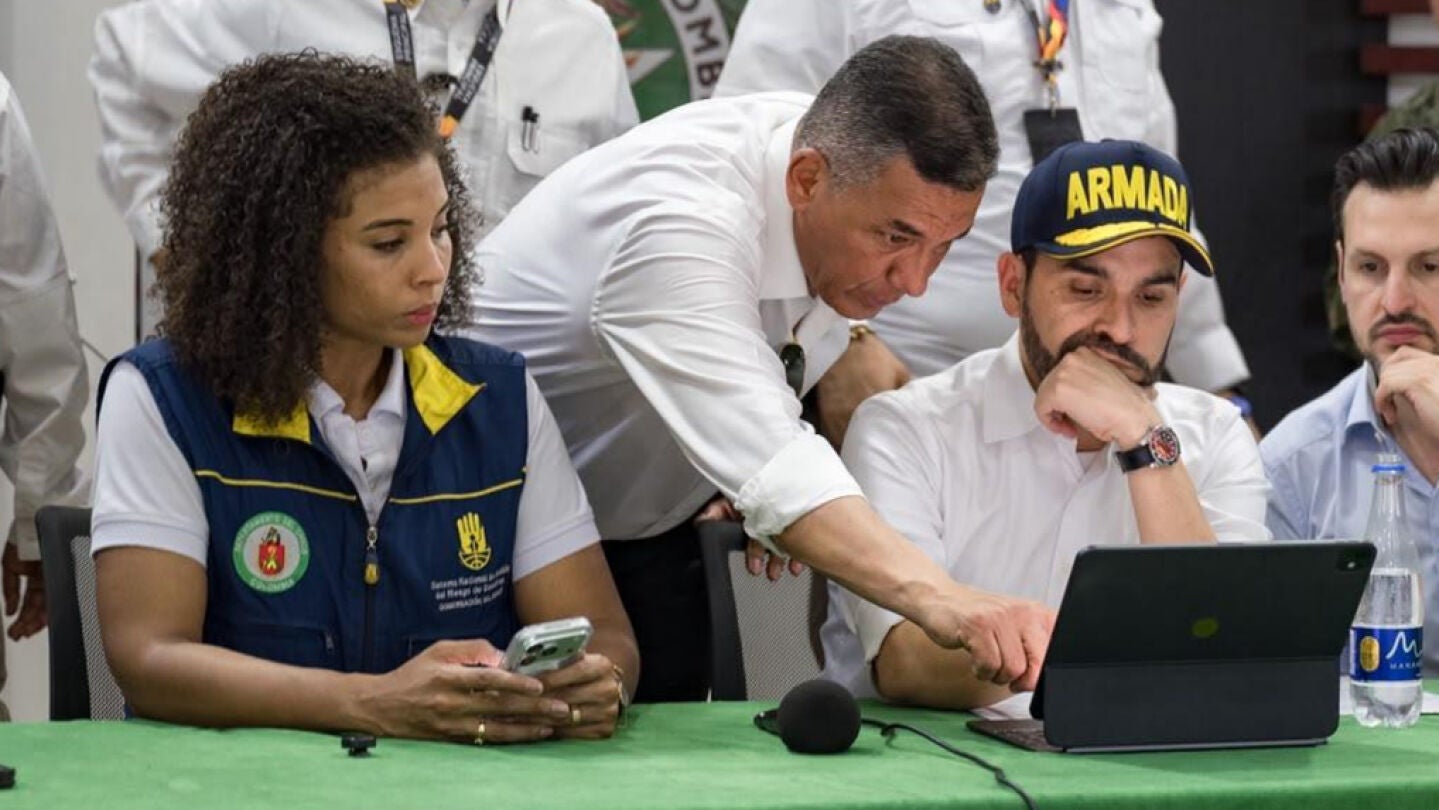
Government Emergency Coordination
In its initial assessment on Monday, the national government reported 111 deaths. The National Unit for Disaster Risk Management stated that on instructions from the new president, all official information regarding the situation would be issued exclusively by the Presidency of the Republic.
De la Espriella later updated the figures to 181 dead, 2,595 injured, 195 missing, 1,136 homes destroyed, 48 collapsed buildings, 8,357 homes damaged, and 807 educational centers damaged. However, regional authorities subsequently raised the overall death toll to 240 people.
Regional Casualties and Damage
Valle del Cauca suffered the highest toll, with 130 deaths recorded across the department. Its capital, Cali, accounted for 95 of those fatalities, while 35 deaths occurred in other local municipalities.
Cali Mayor Alejandro Eder said on Tuesday morning that the city had counted 95 deaths, 949 injured people, and 86 rescued individuals. He added that another 239 people remained trapped beneath rubble.
In Risaralda, located in the central coffee-growing region, regional Government Secretary Israel Londoño told reporters that around 90 people had died, including victims in the capital city of Pereira.
The department of Chocó, identified as the epicenter of the earthquake, recorded 14 deaths, according to Governor Nubia Carolina Córdoba-Nuri. She reported 138 people injured and five missing, along with widespread disruptions to electricity, telephone, and communications services across multiple areas of the department.


