Spanish Prime Minister Pedro Sanchez faces mounting pressure as the enclave of Ceuta deals with 10,000 irregular migrants taking to the city streets.
The Spanish government announced it will deploy 65 additional officers to the region and study further options as local officials demand urgent assistance.
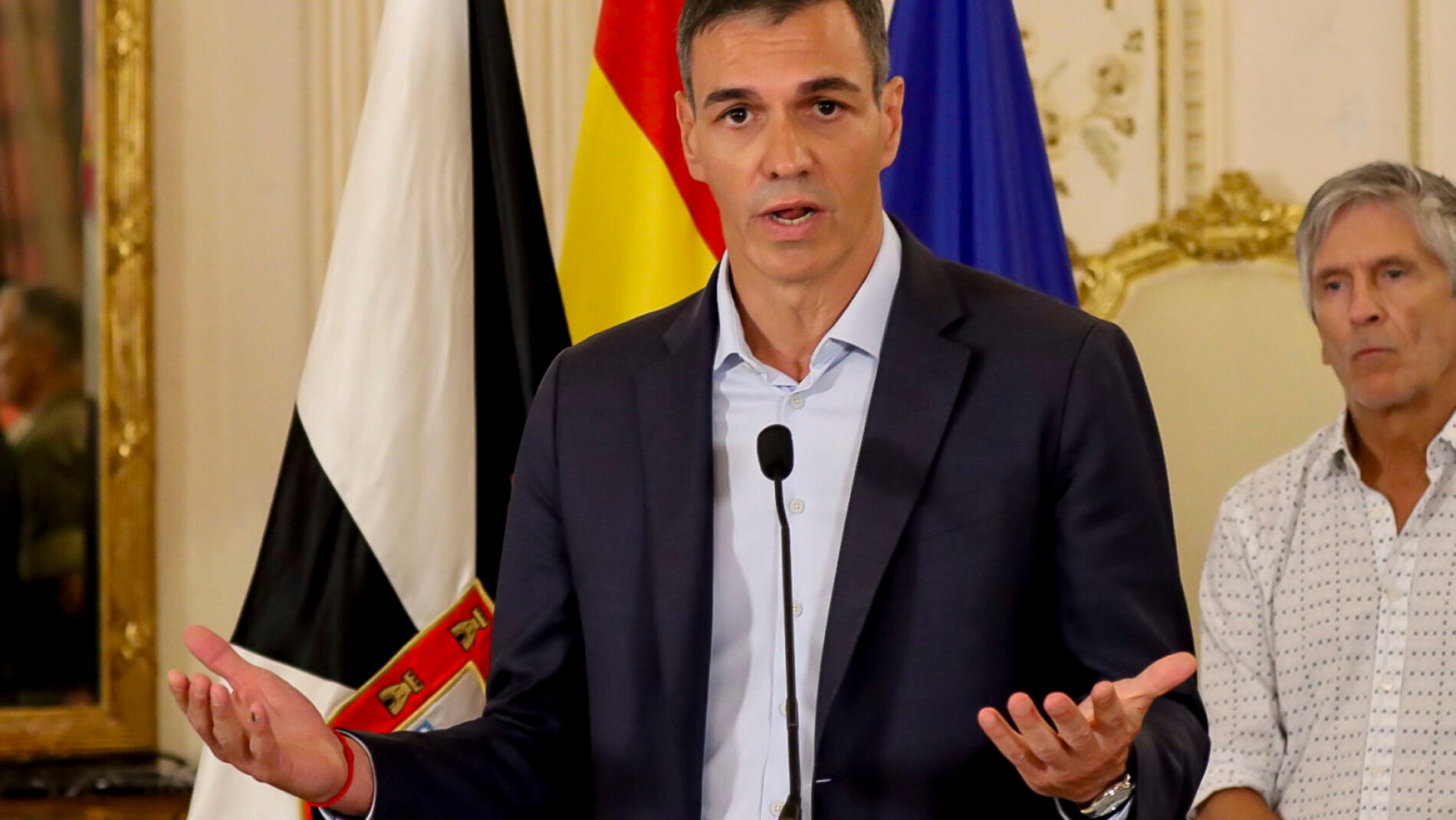
The arrival of 10,000 migrants in a municipality of fewer than 85,000 residents has created significant security and healthcare challenges. Entire communities in the city have joined in calling for immediate, effective solutions rather than government promises, as local health and social infrastructure faces severe strain.
Sanchez has remained on vacation during the crisis while government ministers made brief visits to Ceuta before returning to Madrid. Although officials initially claimed no irregular entrant would remain in the city, the administration later signaled plans to accommodate around 5,000 individuals, raising concerns over an increased pull factor for future arrivals.
Government response and officer deployment
Recent news headlines focused on reports of 80,000 migrants storming the border and entering the enclave, which local critics argue has been neglected by central authorities. Observers note that many incoming migrants seek de facto regularisation and nationalisation, viewing entry as low-risk due to weakened enforcement mechanisms.
Critics argue that the socialist government's approach relies on public relations gestures, such as recommending books and songs, while failing to execute effective returns. The administration has described incoming individuals as refugees, though analysts point out that neighboring Morocco is not experiencing an active armed conflict or recognized humanitarian crisis.
The financial and social burden of illegal immigration falls heavily on taxpayers and low-income workers, including legal immigrants who arrived through formal channels and integrated into Spanish society. Wage erosion and increased demand on public services have heightened domestic concerns over long-term stability.
Rising border entry statistics
Official data from the Spanish Ministry of the Interior shows a sharp increase in land-based irregular entries into Ceuta. Between January 1 and July 31, 2026, land entries rose to 3,835, marking a 164.1 percent increase compared to the 1,452 entries recorded during the same period in 2025.
Earlier data from June 15, 2026, showed land entries at 2,493, representing a 215.2 percent year-on-year jump. Broader national statistics compiled by Europa Press show that irregular entries into Spain between January 1 and July 31 stood at 8,317 in 2017, rising to 29,031 in 2024 before shifting to 20,271 in 2025.
Ceuta is a Spanish autonomous city located on the northern coast of Africa, sharing a single land border with Morocco. As one of only two European Union land borders on the African continent, alongside nearby Melilla, the city serves as a key transit point for individuals attempting to enter Europe.
Local budget and service impact
The sudden population influx has placed unsustainable demands on local municipal finances. Ceuta approved a consolidated budget of 423.9 million euros for 2026, allocating 20.39 million euros for education and culture, and 12.27 million euros for health and social services.
Ceuta President Juan Vivas issued an urgent appeal for national support, calling the situation a security and humanitarian emergency. Vivas emphasized that local municipal resources cannot cope with an influx of 10,000 individuals remaining within city limits without federal intervention.
Parliamentary returns and diplomatic history
Government records reveal low rates of deportation for irregular arrivals. In a parliamentary response published in March, the Sanchez administration confirmed that out of 426 migrants who arrived illegally in January, only five individuals were returned to their home countries.
Repatriation efforts face long-standing diplomatic obstacles. Over the past ten years, Morocco has not accepted the return of a single irregular migrant minor, creating persistent backlog issues for youth care facilities in the enclave.
Proposed border enforcement measures
To resolve the ongoing crisis, policy experts and local leaders state that Spain must abandon symbolic gestures and implement concrete operational management. Recommended steps include declaring a state of emergency, expanding police and logistical assets, establishing rapid identification procedures, and executing swift legal returns in coordination with European Union border authorities.