

Labor lawyer Elisa T. Cardona has detailed three mandatory written steps Spanish workers must follow after receiving an official medical discharge from work.
The guidance addresses employees declared officially recovered by medical tribunals who still feel physically or mentally unable to resume their daily job duties.

Reporting from Madrid alongside co-author Ignacio Juanilla Bernardo, Cardona warned that an official medical discharge from health authorities like Social Security is separate from an employee's actual readiness to work. She stressed that receiving medical clearance does not automatically mean a worker is fit to resume their role.
In Spain, medical evaluation boards assess temporary disability leave and determine when an employee is fit for discharge. However, workplace safety standards require employers to ensure that returning staff can perform their duties safely without risking their health.
Three Required Written Notifications
To secure their legal protections before returning, Cardona outlined three specific formal procedures that workers must execute in writing prior to re-entering the workplace.
First, the employee must formally notify company management in writing that they have received their medical discharge, establishing a clear documentary record of the notification.
Second, the worker must submit a formal written request to take any vacation days accrued during their period of medical leave.

Third, the employee must request in writing that the company's occupational risk prevention service conduct a medical examination before the official return to work. Cardona described this technical assessment as an essential step to evaluate the employee's physical and mental condition.
The lawyer emphasized that the occupational health report serves as the crucial technical evidence that dictates whether a worker can return to their post, directly shaping their immediate employment future.
Three Outcomes of Occupational Health Reviews
Following the internal health evaluation, Cardona explained that prevention services will issue one of three official rulings regarding an employee's capacity.
The evaluation may classify the employee as fit for their position, fully capable of performing all tasks. Alternatively, the report may find the employee fit with limitations, which legally obliges the firm to assess whether workplace functions can be adjusted.
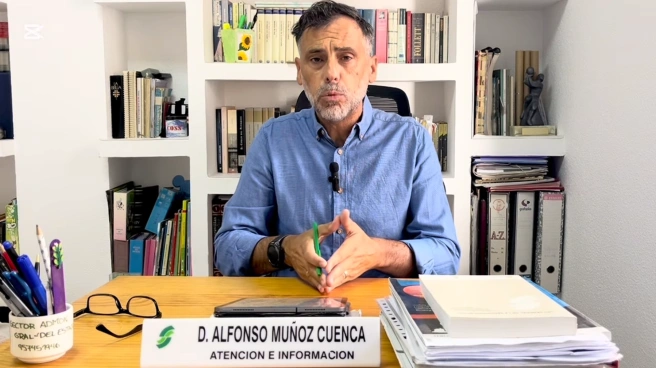
The third outcome is a ruling of unfit for the position. In separate comments on workforce status, public official Alfonso Munoz noted that losing a job does not automatically entitle a worker to access involuntary early retirement, as Social Security regulations impose specific statutory requirements.
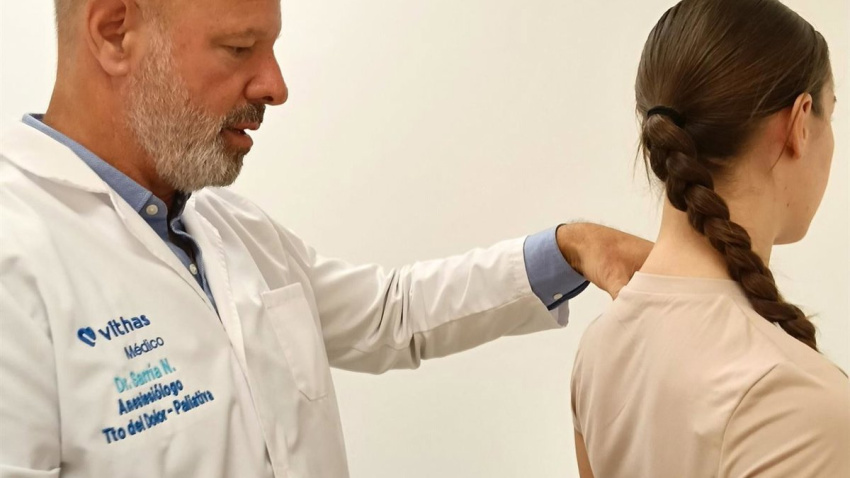
Reassuring workers who receive an unfit assessment, Cardona stated that such a finding does not allow an employer to fire a worker automatically. She noted that legal frameworks require companies to exhaust all alternative measures before considering termination.
Legal Obligations and Workplace Alternatives

When a medical evaluation identifies limitations or unfitness, employers are legally bound to explore several technical solutions to maintain the worker's employment.
Companies must examine options such as adapting the current workplace, modifying job duties within existing staff roles, or reassigning the employee to a compatible position suited to their health condition.
Addressing chronic health issues, lawyer Marina Alaminos noted that workers on sick leave for permanent and chronic conditions can personally initiate permanent disability proceedings rather than waiting for administrative action.
If no organizational alternative is feasible within the company structure, Cardona said workers can negotiate a paid leave of absence while their medical status is formally clarified, emphasizing that final resolutions depend on the specific circumstances of each case.