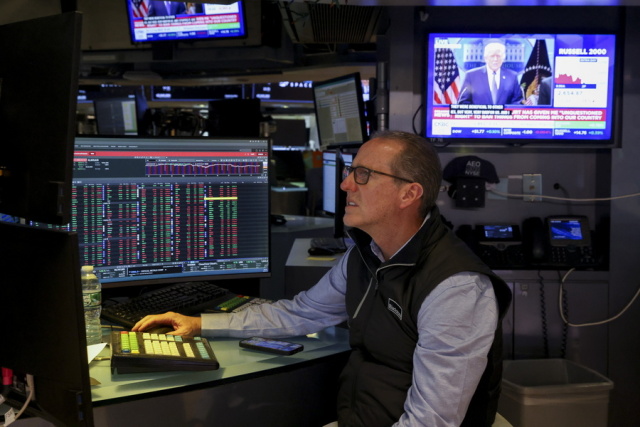
Wall Street stocks closed mostly higher on Wednesday after mild consumer inflation data boosted technology shares and reduced expectations of a Federal Reserve rate hike.
The benchmark S&P 500 index rose 0.26 percent to finish at 7,748 points, nearing its historic high, while the tech-heavy Nasdaq Composite gained 0.54 percent to reach 26,658.8 points. The Dow Jones Industrial Average dropped into negative territory during the final hour of trading, closing down 0.04 percent at 53,770 points. In the bond market, US Treasury yields moved higher, with the 10-year yield rising to 4.688 percent and the 30-year yield climbing to 5.253 percent.
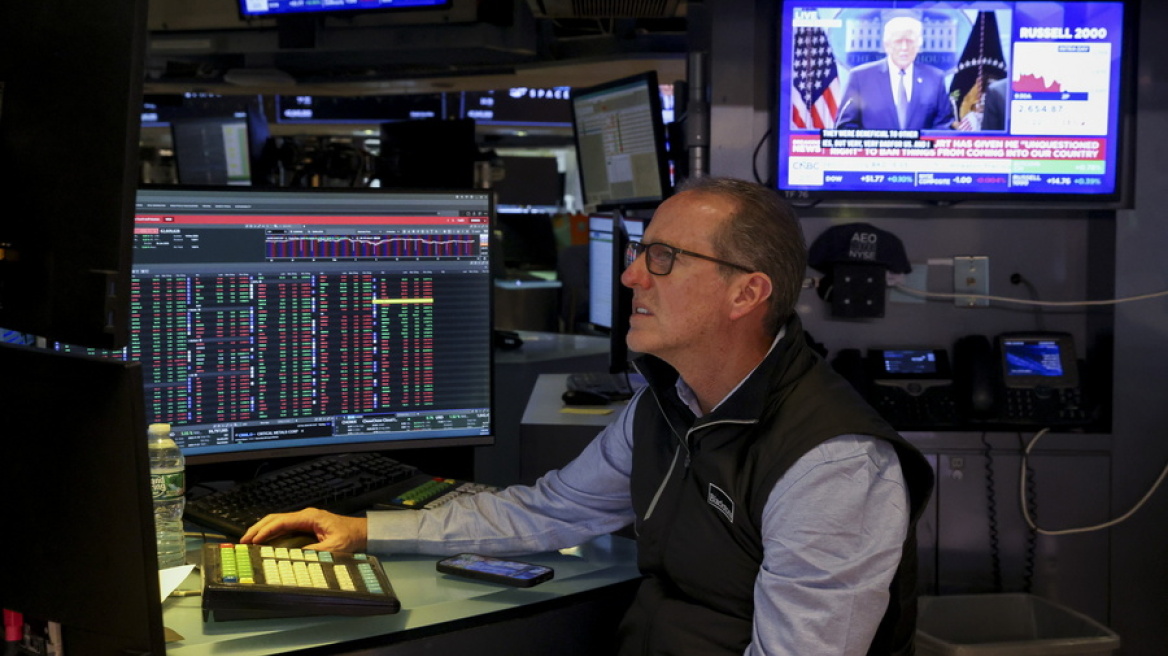
Investors focused on the fresh price data following weaker-than-expected labor market figures released last Friday, which had already prompted a significant reassessment of rate expectations for September. According to the US Bureau of Labor Statistics, the Consumer Price Index increased by 0.1 percent month-on-month in July after falling by 0.4 percent in June. On an annual basis, headline consumer inflation slowed to 3.4 percent from 3.5 percent in the previous month.
Core inflation, which excludes volatile food and energy costs, rose by 0.2 percent on a monthly basis following a flat reading in June. The annual core CPI rate slowed to 2.5 percent from 2.6 percent. All four inflation metrics matched analyst predictions exactly. The Bureau of Labor Statistics is scheduled to release Producer Price Index figures for wholesale inflation on Thursday.
Federal Reserve rate outlook
The combination of cooling inflation and softer employment data is expected to give Federal Reserve officials more flexibility to hold interest rates at current levels for an extended period. Data from the CME FedWatch tool showed that the probability of the central bank keeping interest rates unchanged at its September meeting rose to 62 percent, up from 54 percent prior to the inflation release.
The Federal Reserve sets benchmark interest rates to balance full employment with long-term price stability. Market participants monitor the Bureau of Labor Statistics Consumer Price Index as a key metric for monetary policy decisions, with core inflation providing a clearer view of underlying price trends by removing short-term fluctuations in food and energy prices.
Peter Tuz, president of Chase Investment Counsel, said the latest figures make any interest rate increase this year less likely, adding that a core inflation rate of 2.5 percent is moving slowly in the right direction. However, Molly Brooks of TD Cowen warned that while the data supports holding rates steady, the market remains exposed to future hikes, noting that minor shifts could tilt central bank policymakers toward further rate increases.
Oliver Rust, head of data at Truflation, said that while the latest CPI reading appeared mild, real-time tracking indicates inflation remains volatile, persistent, and at uncomfortably high levels for the second half of the year. David Kelly of JPMorgan also noted that inflation remains stubborn, describing price pressures as resilient as market analysts evaluate incoming economic indicators.
Technology stocks lead gains
Technology shares led the day's market advance, driven by strong quarterly results from artificial intelligence and data center infrastructure providers. Server manufacturer Super Micro Computer surged more than 19 percent, posting the largest percentage gain among S&P 500 components, after issuing a fiscal year 2027 revenue forecast that comfortably exceeded Wall Street projections. CoreWeave gained nearly 20 percent and Nebius Group jumped 30 percent after reporting financial results that bolstered investor confidence in artificial intelligence spending.
The Philadelphia Semiconductor Index advanced 2.5 percent, confirming sustained investor demand for chipmakers and hardware companies linked to artificial intelligence development. Elsewhere in the market, fast-food chain Wendy's climbed to a seven-week high following a report by the Financial Times that private equity firm Trian Fund Management is preparing an offer to acquire the company and take it private. Networking giant Cisco Systems also traded higher ahead of its earnings release scheduled for after the closing bell.
Among the day's major decliners, software company AppLovin dropped over 4 percent, extending recent losses caused by disappointing revenue trends and cautious broker comments. Cloud monitoring firm Datadog fell as growth concerns continued to weigh on sentiment, while insurance provider Progressive faced pressure over profit margin expectations. National Vision and engineering firm Aecom also traded lower following disappointing quarterly earnings reports.
Oil prices and Middle East risks
Despite the positive inflation report, broader market gains were restrained by geopolitical tension and volatility in energy markets. Crude oil prices had fallen earlier in the month on hopes of a potential agreement between the United States and Iran, but market sentiment turned cautious following aggressive statements by Donald Trump, an unyielding stance from Tehran, and renewed attacks by Houthi militants in Yemen.
Brent crude traded nearly flat on Wednesday at just under 89 dollars per barrel, though prices remained up by approximately 7 percent for the week. Market analysts warned that consumer inflation could re-accelerate in August after international crude oil prices spiked more than 20 percent during the previous month, presenting an ongoing risk to economic stability.