Spanish artist José Vela Zanetti painted more than 100 murals across the Dominican Republic between 1939 and 1960, leaving a body of work that survives today in varying states of preservation.
Vela Zanetti arrived in the country as an exile following the Spanish Civil War. During his two decades in the Dominican Republic, he directed the National School of Fine Arts and completed numerous official commissions under the regime of Rafael Leónidas Trujillo.
His murals were painted on the walls of churches, universities, hospitals, public institutions and cultural buildings. More than six decades later, some have been restored or receive preventive maintenance, while others are degrading due to time, humidity and building conditions.
Santo Domingo restorations
The Dominican Judiciary restored two Vela Zanetti murals at the Palacio de Justicia in Ciudad Nueva between September and October 2023.
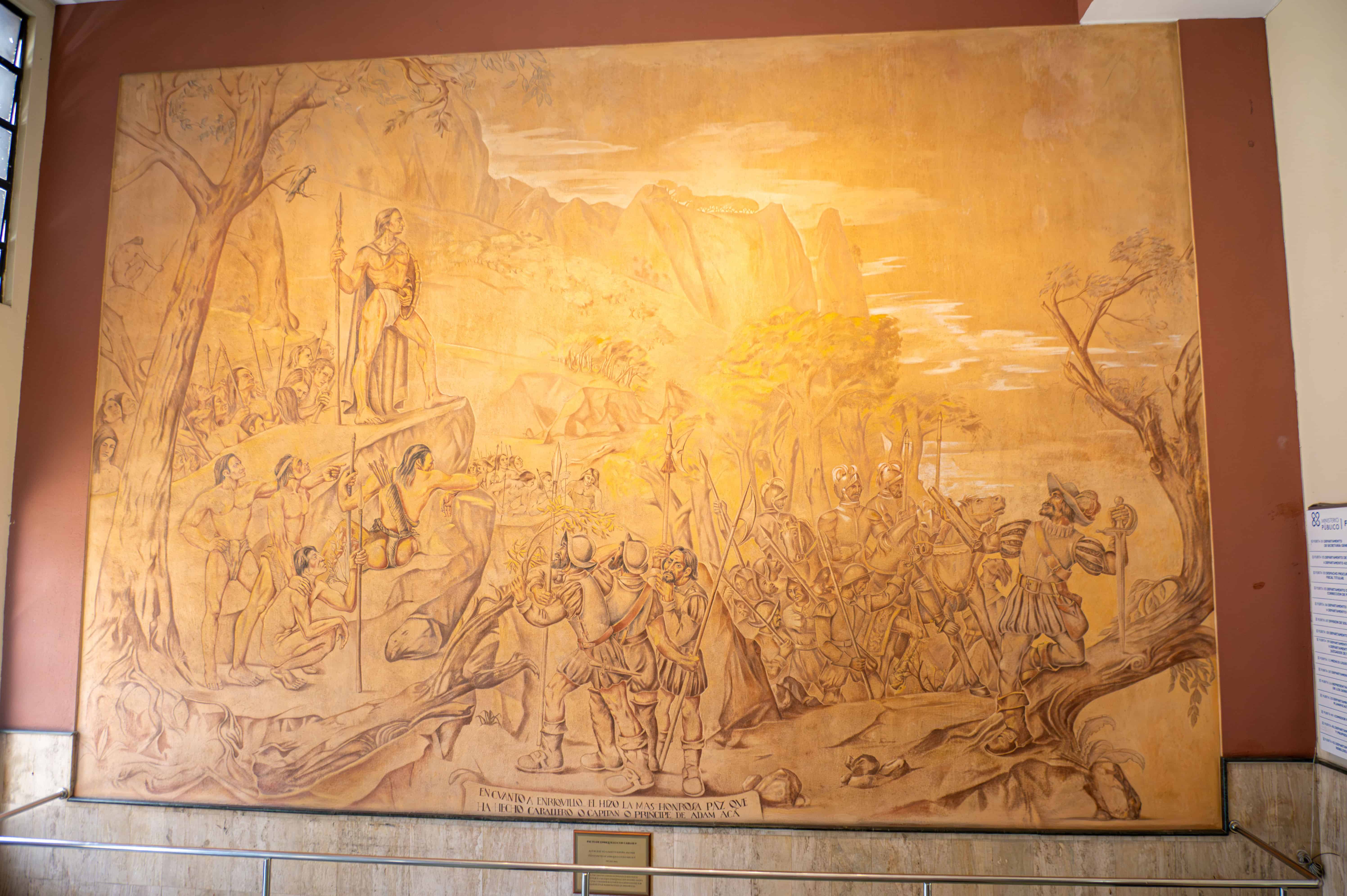
The works include "La concertación de la paz," depicting a meeting between Taíno people and Spanish conquerors, and "La creación de la real audiencia."
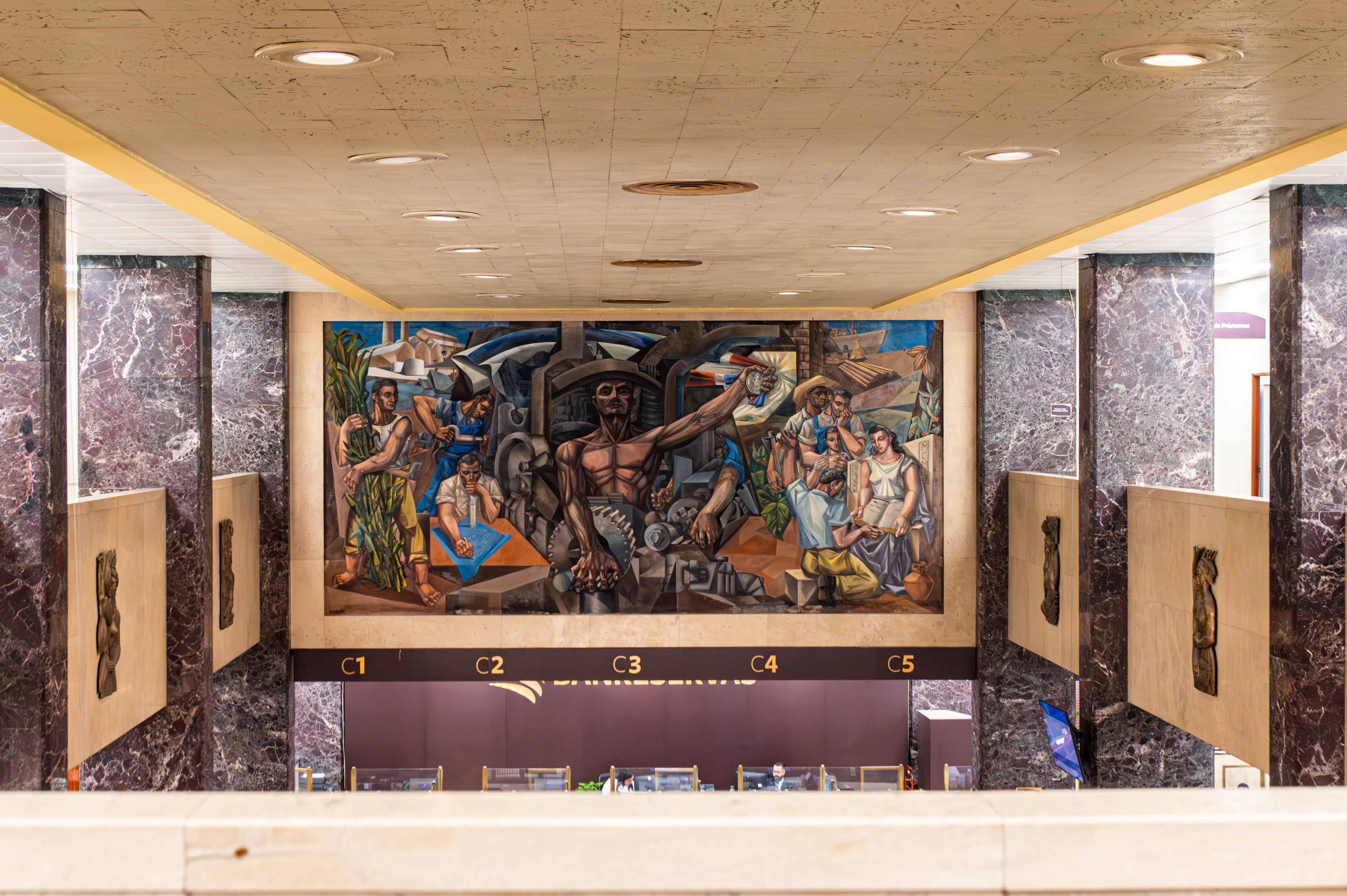
Another mural remains in good condition at the Banco de Reservas building on Isabel La Católica street. The work, which has not required restoration, features allegories to identity, work, social development and the national economy.
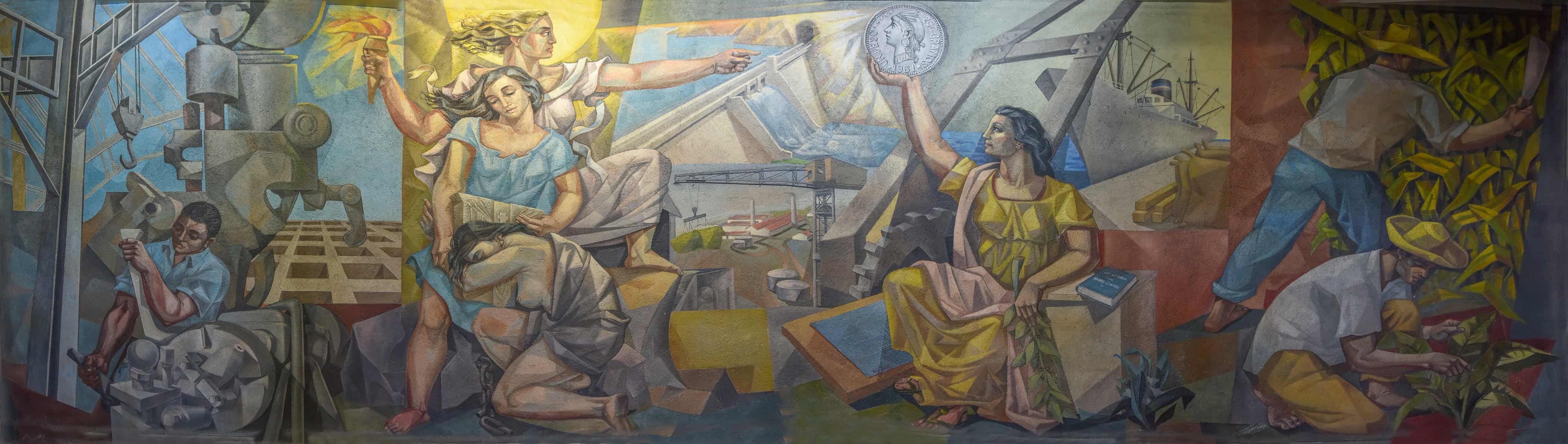
The Banco Central houses a 1956 mural titled "La economía nacional." This piece references work, production and industry to illustrate economic and national progress.
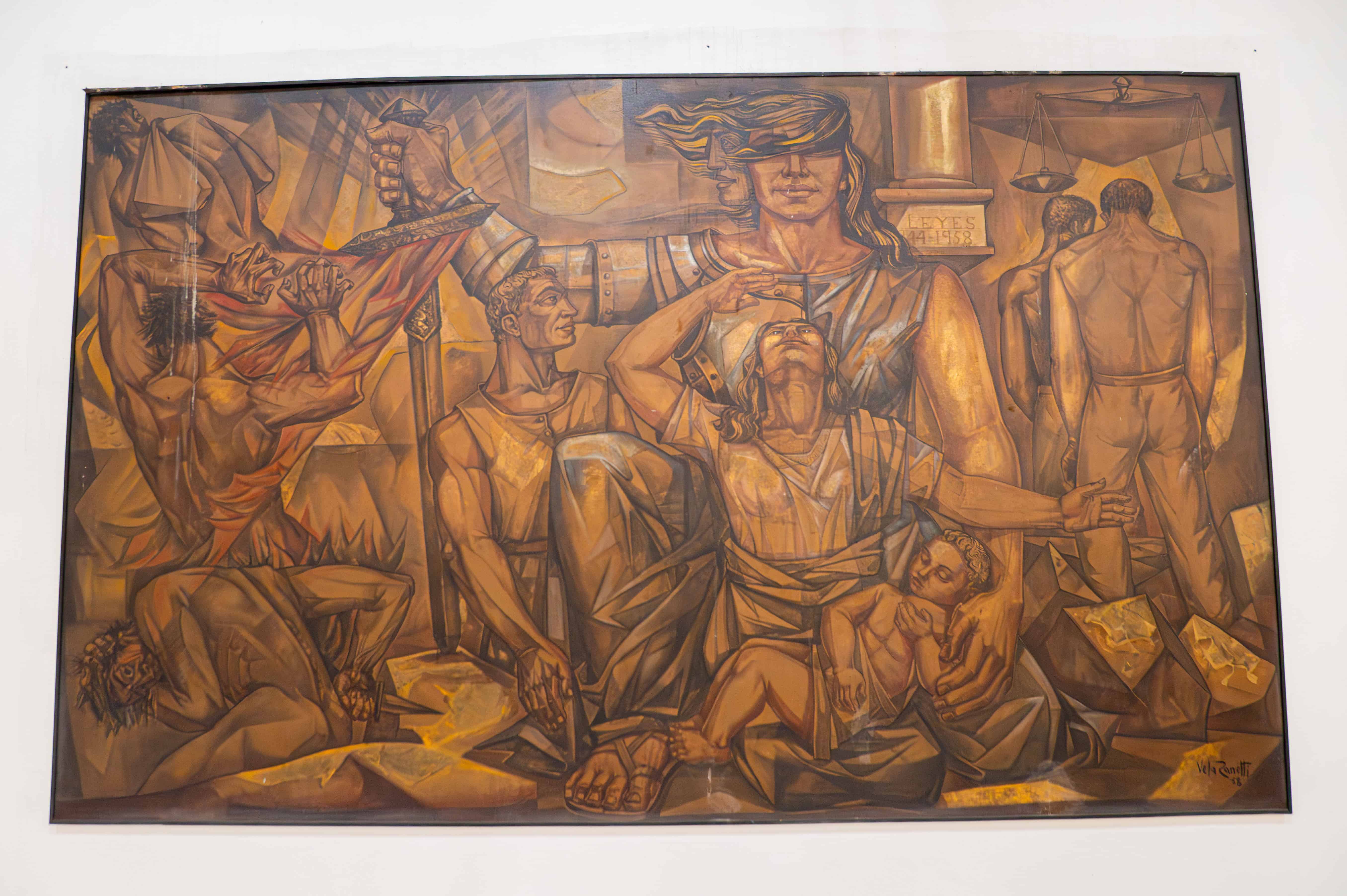
In the Sala Magna of the Ayuntamiento del Distrito Nacional, formerly the Palacio Consistorial, a mural traces the history of Santo Domingo from Taíno caciques to the 20th century. Elements exalting Trujillo were modified or removed after his fall. The Ministry of Culture intervened through the National Center for the Conservation of Works of Art and Documents in 2022 to clean, stabilize and restore the painting.
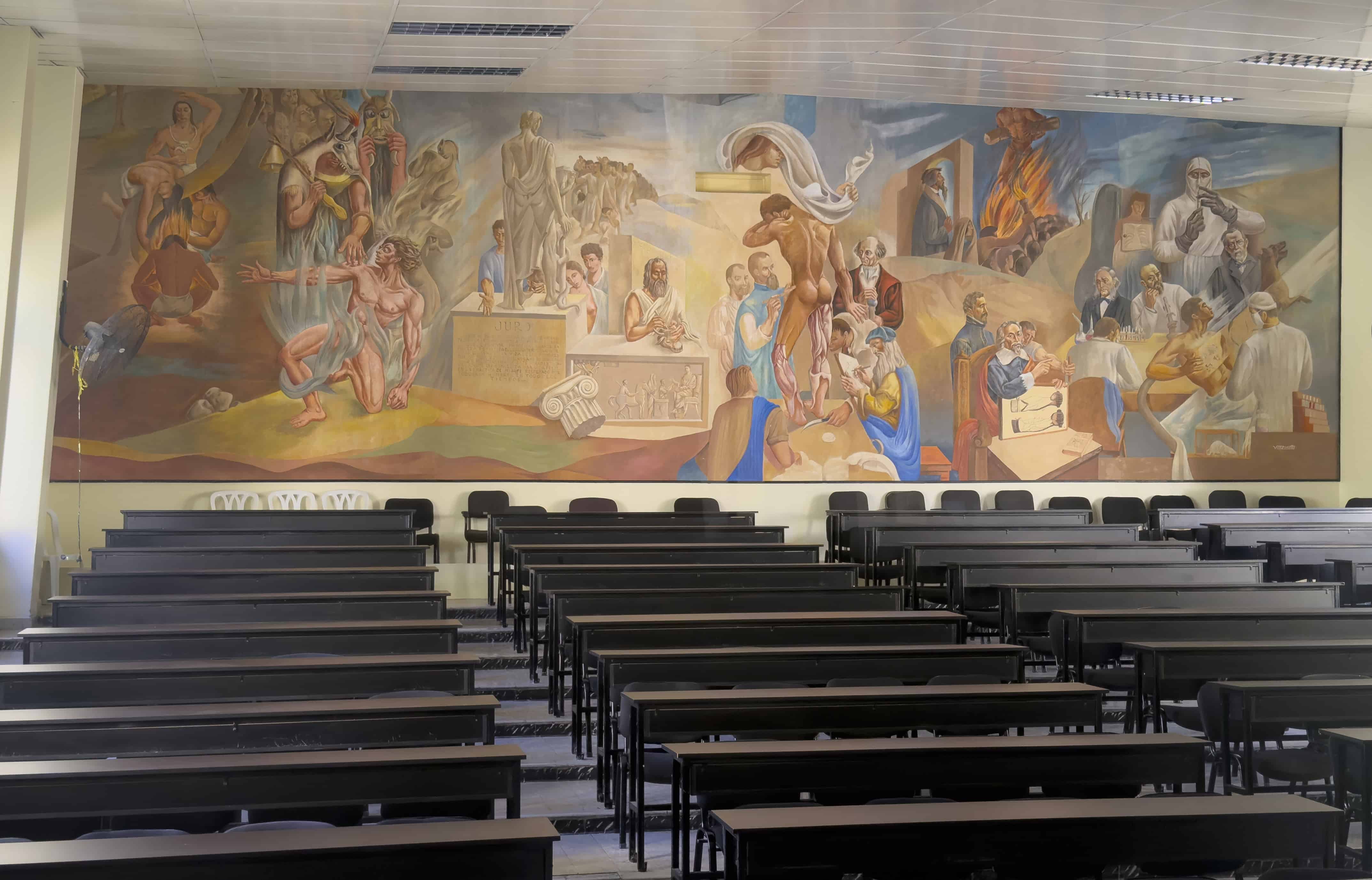
Another restored work sits in the Salón Guarocuya Batista del Villar at the Universidad Autónoma de Santo Domingo Faculty of Health Sciences. The piece, restored in 2021, connects with medicine, anatomy and scientific knowledge.
Faculty of Arts Dean Zoila Anitza Gutiérrez and School of Art Criticism and History Director María Elena Ditrén consider the university mural a visual archive of both Dominican cultural history and the institution itself.
Hospital mural deterioration
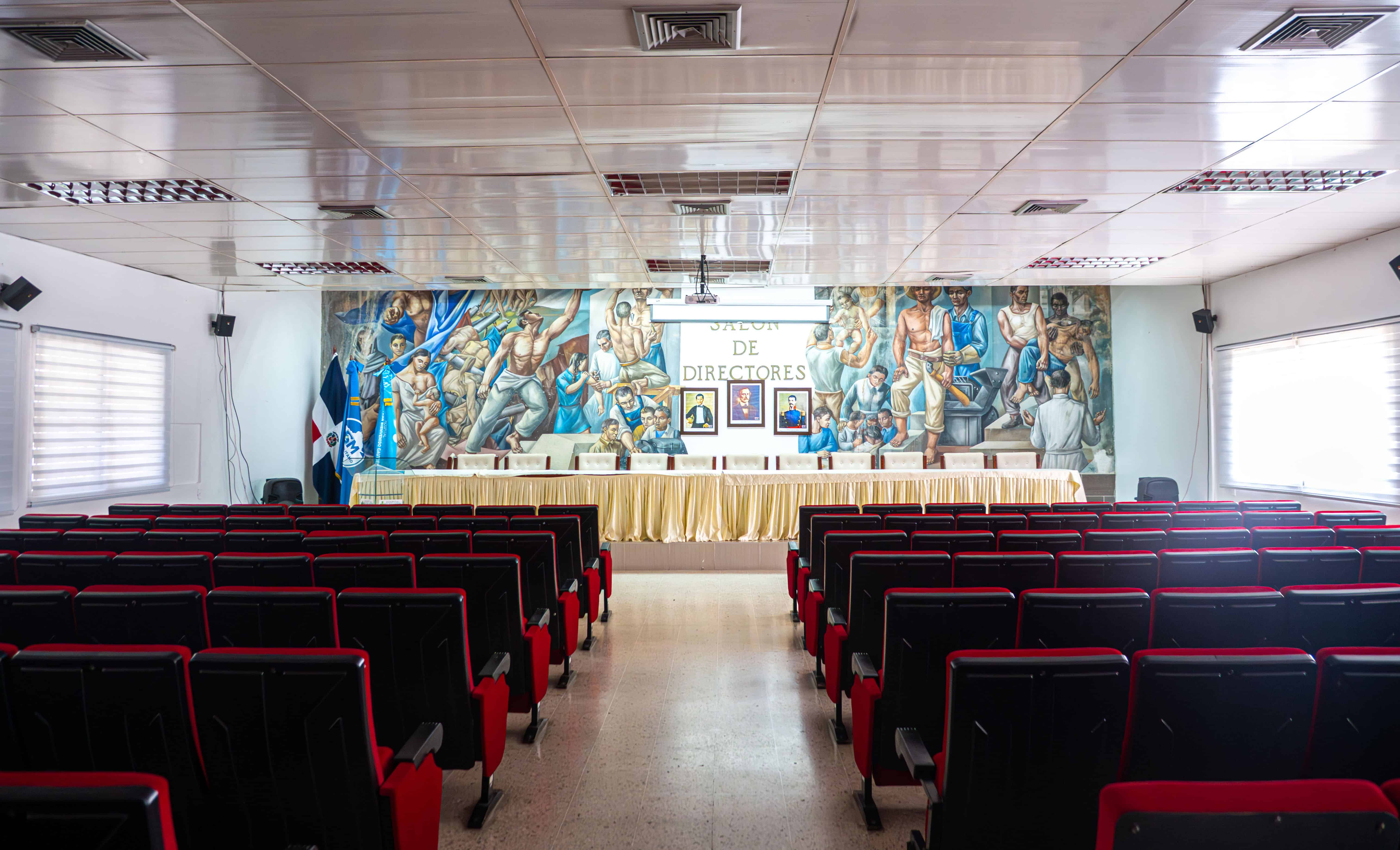
Not all works have been protected from the elements. At the Hospital Dr. Salvador B. Gautier, a 1951 casein mural titled "La protección de la familia" shows signs of deterioration in the Directors Lounge.
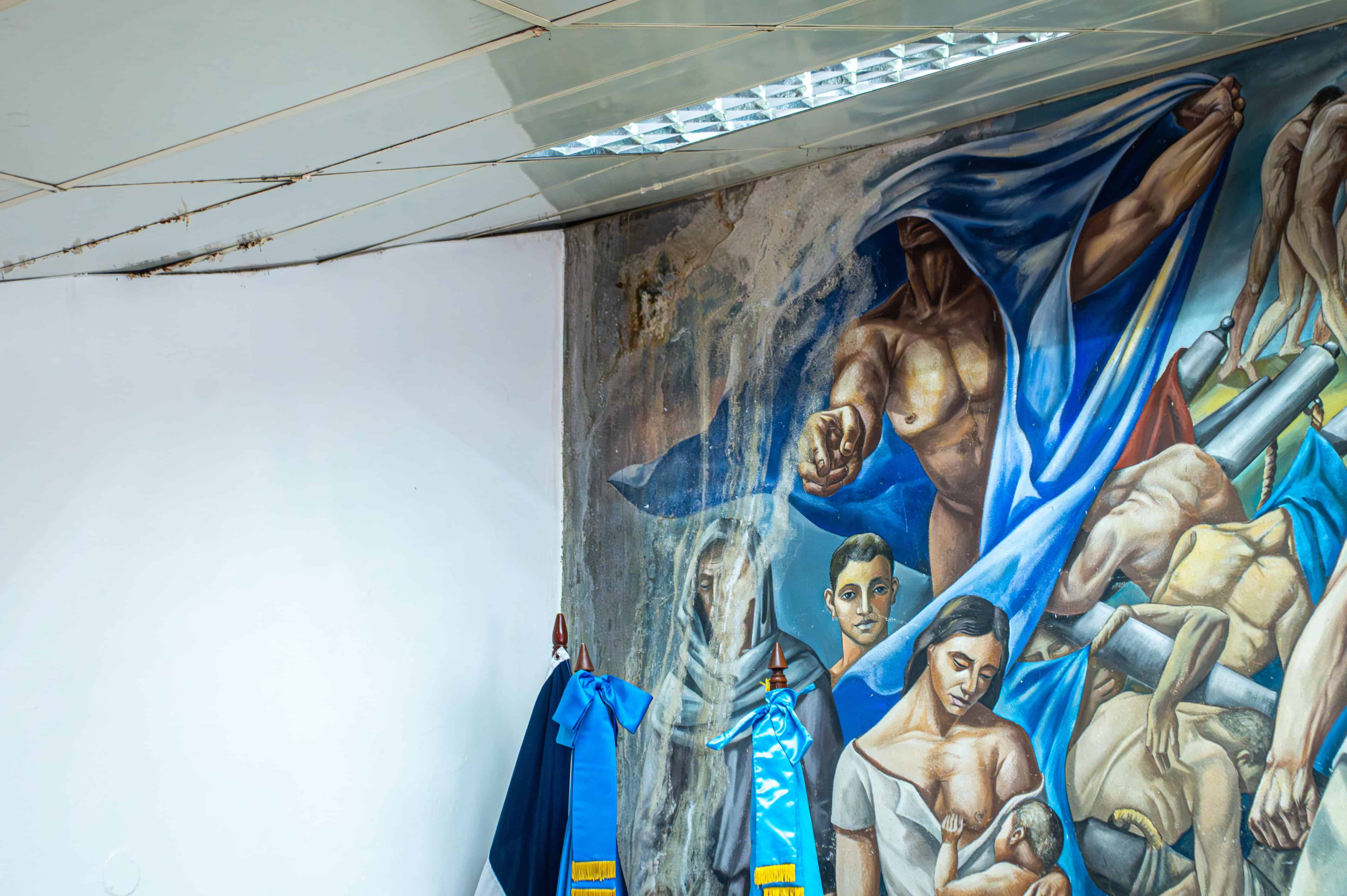
The National Center for the Conservation of Works of Art and Documents previously identified damage linked to humidity and leaks. During hospital renovations in 2026, the facility management announced the artwork will be protected while the area is worked on, and a restoration request will follow.
San Cristóbal churches and schools
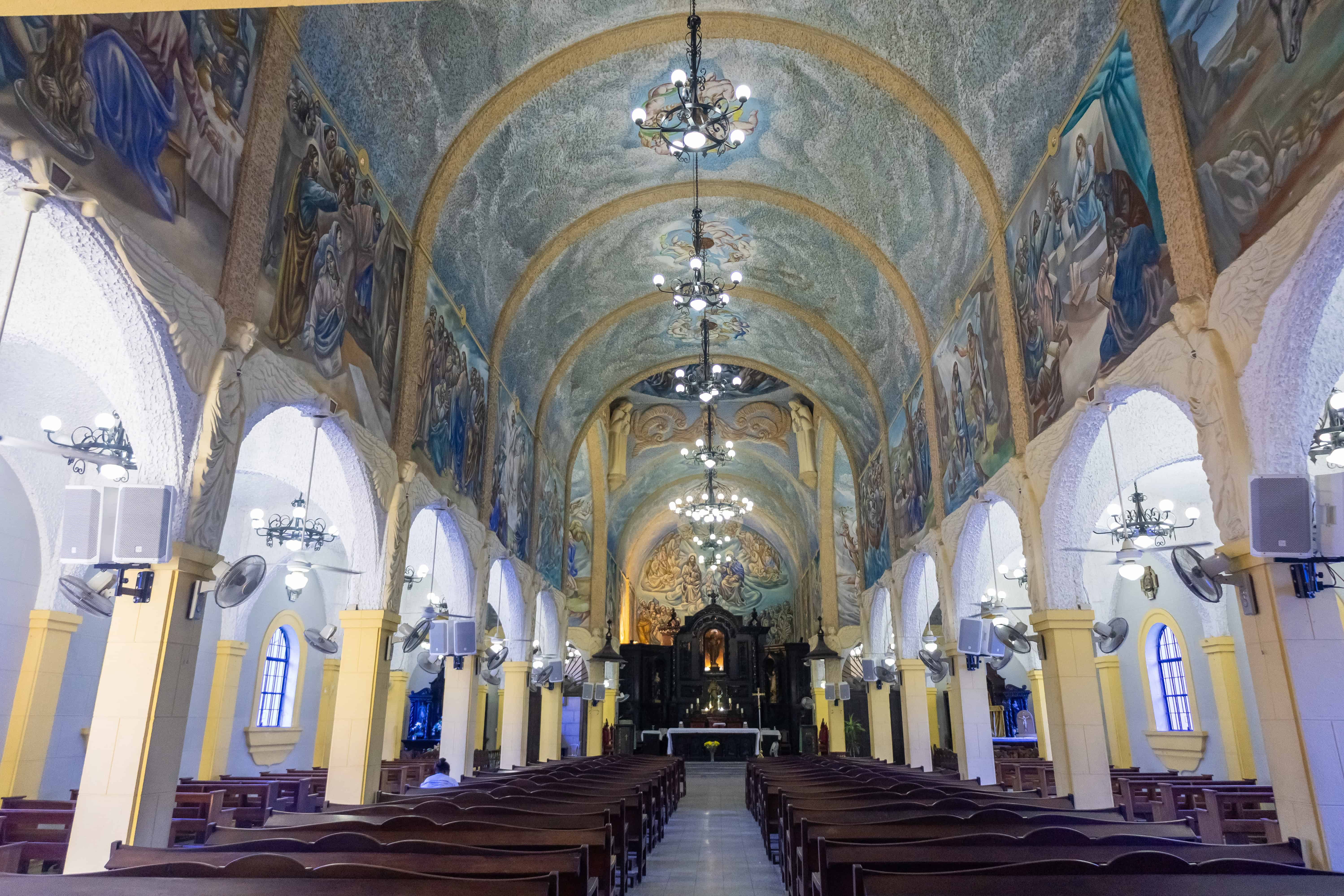
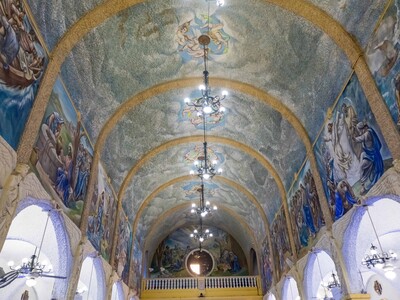
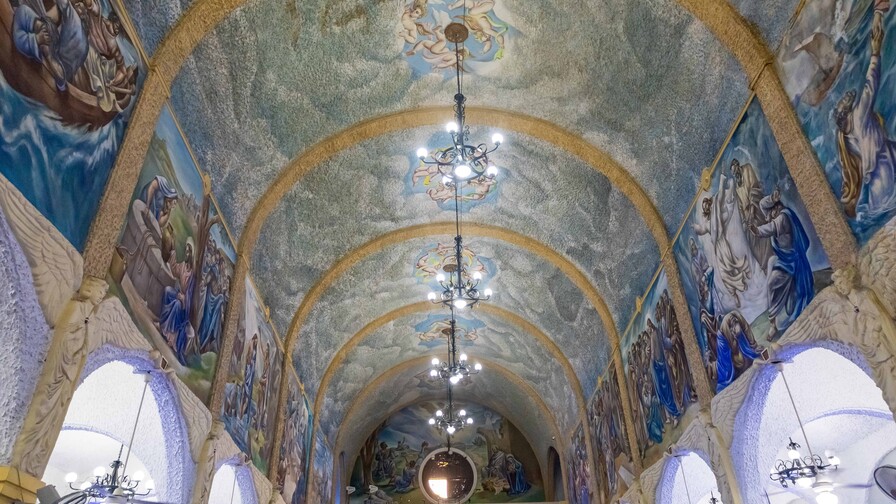
Vela Zanetti painted a series of murals depicting the life of Jesus at the Parroquia Nuestra Señora de la Consolación in San Cristóbal in 1949.
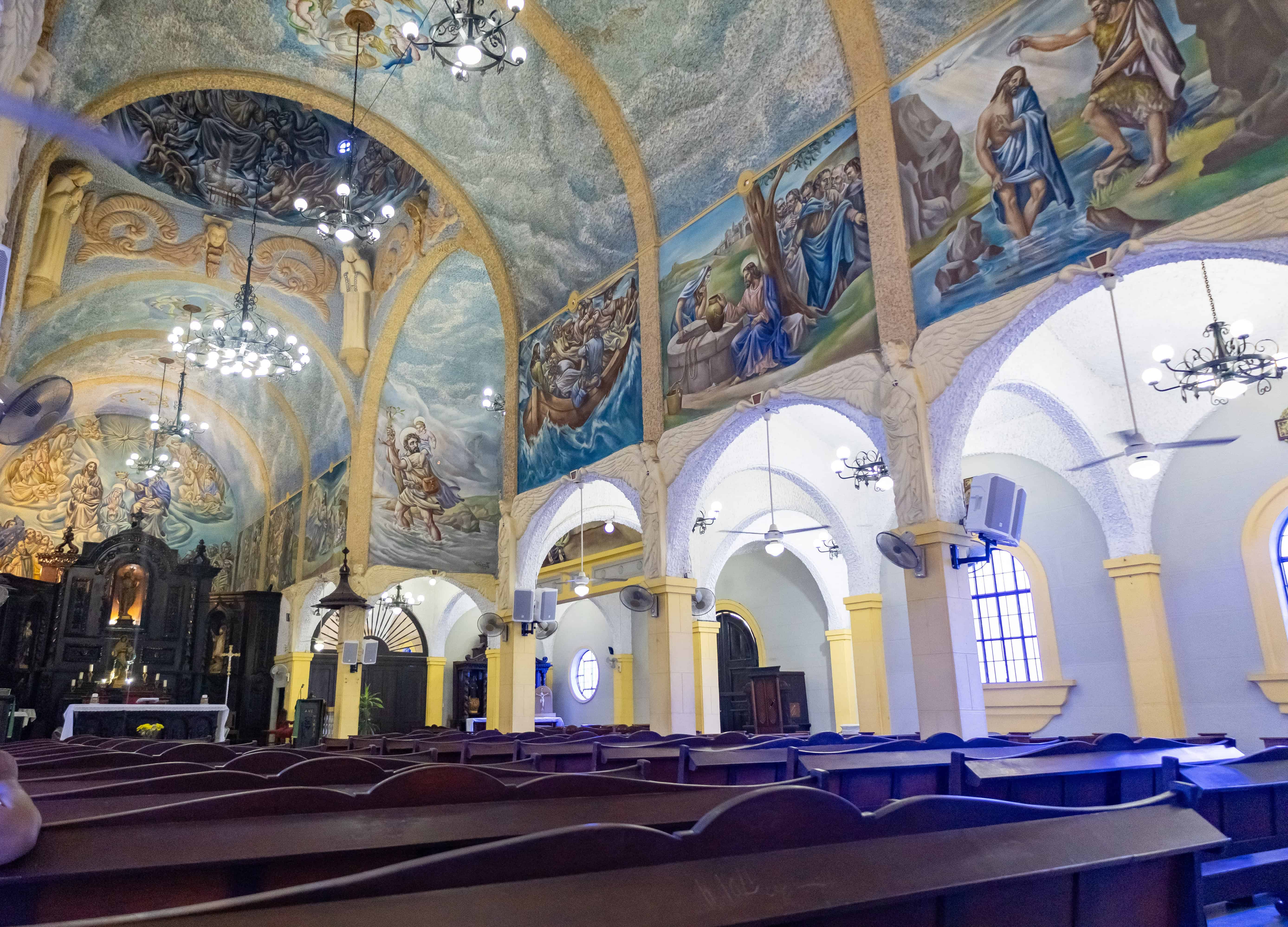
The extensive artwork earned the church the name of the Caribbean Sistine Chapel. The National Center for the Conservation of Works of Art and Documents conducted a technical rescue of the pieces in 2013, but new water leaks now threaten their preservation.
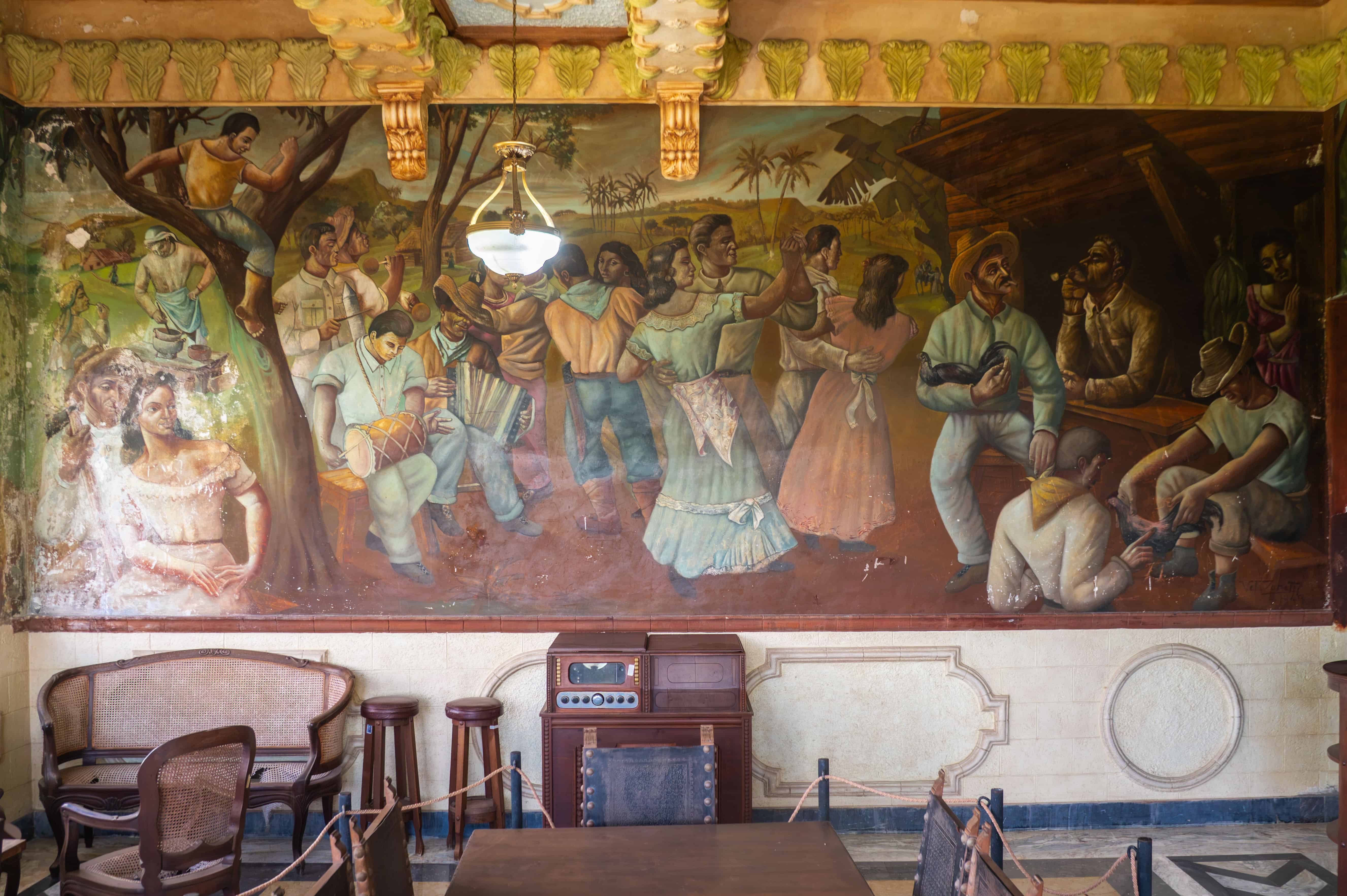
Murals showing the life of Jesus also remain at the historic Castillo del Cerro, originally built for Trujillo and now housing the National Penitentiary School. No recent restoration program has been reported for these works.
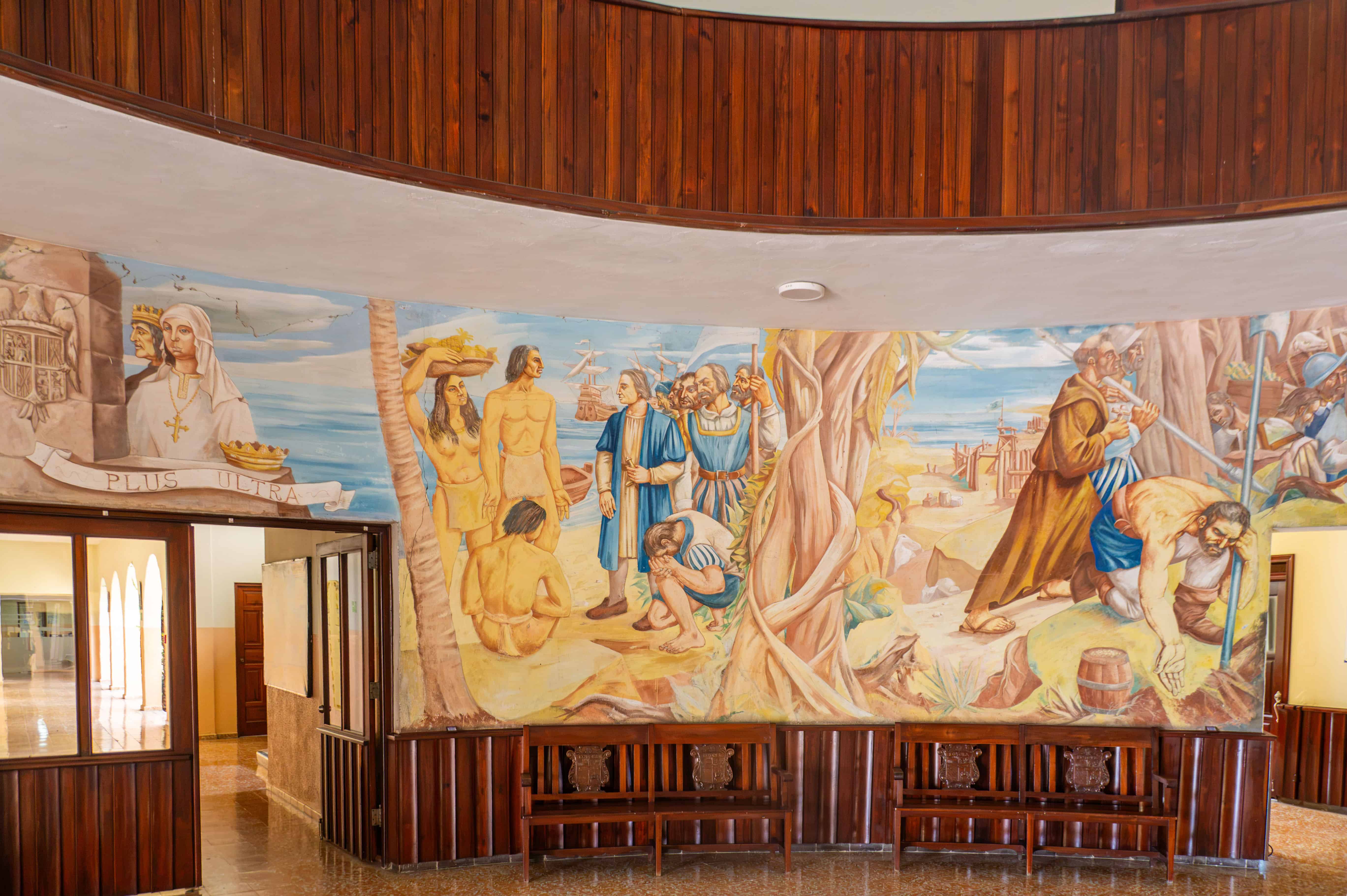
At the Instituto Politécnico Loyola, murals from the early 1940s document Dominican social history from Christopher Columbus to the Trujillo era. The center established the Galería de Arte Vela Zanetti to track and protect the artwork.
Provincial conservation efforts
The Monumento a los Héroes de la Restauración in Santiago holds 18 Vela Zanetti pieces created in the 1950s. The artist painted some on canvas before installing them, and executed others directly onto the walls.
Restoration work began in 2024 on eight murals located on the fifth floor, which were affected by fungus and environmental conditions. The intervention included fumigation and specialized restoration, while preventive conservation took place on other floors.
Further east, the Basílica Catedral Nuestra Señora de la Altagracia in Higüey houses two large compositions combining religion, history and Dominican identity. One addresses the history of the Virgin of La Altagracia, while the other explores Marian dogmas and mysteries. Both feature local characters, peasants and symbols of Higüey.
According to priest Raysi Guerrero, the cathedral murals remain in good condition. The works receive continuous care and periodic spot cleaning.