


The US Navy is developing a next-generation submarine rescue system designed to begin retrieving crews from sunken vessels anywhere in the world within 72 hours, according to defense publication Army Recognition.
Naval Sea Systems Command officials met with defense industry representatives in Washington on Wednesday to establish technical requirements for the project, known as the NextGen Submarine Rescue System.
The new program, abbreviated as NGSRS, will replace the Navy's existing Submarine Rescue Diving and Recompression System, or SRDRS. The current equipment suite is designed to locate distressed submarines, inspect damaged hulls, evacuate survivors, and manage hyperbaric decompression.
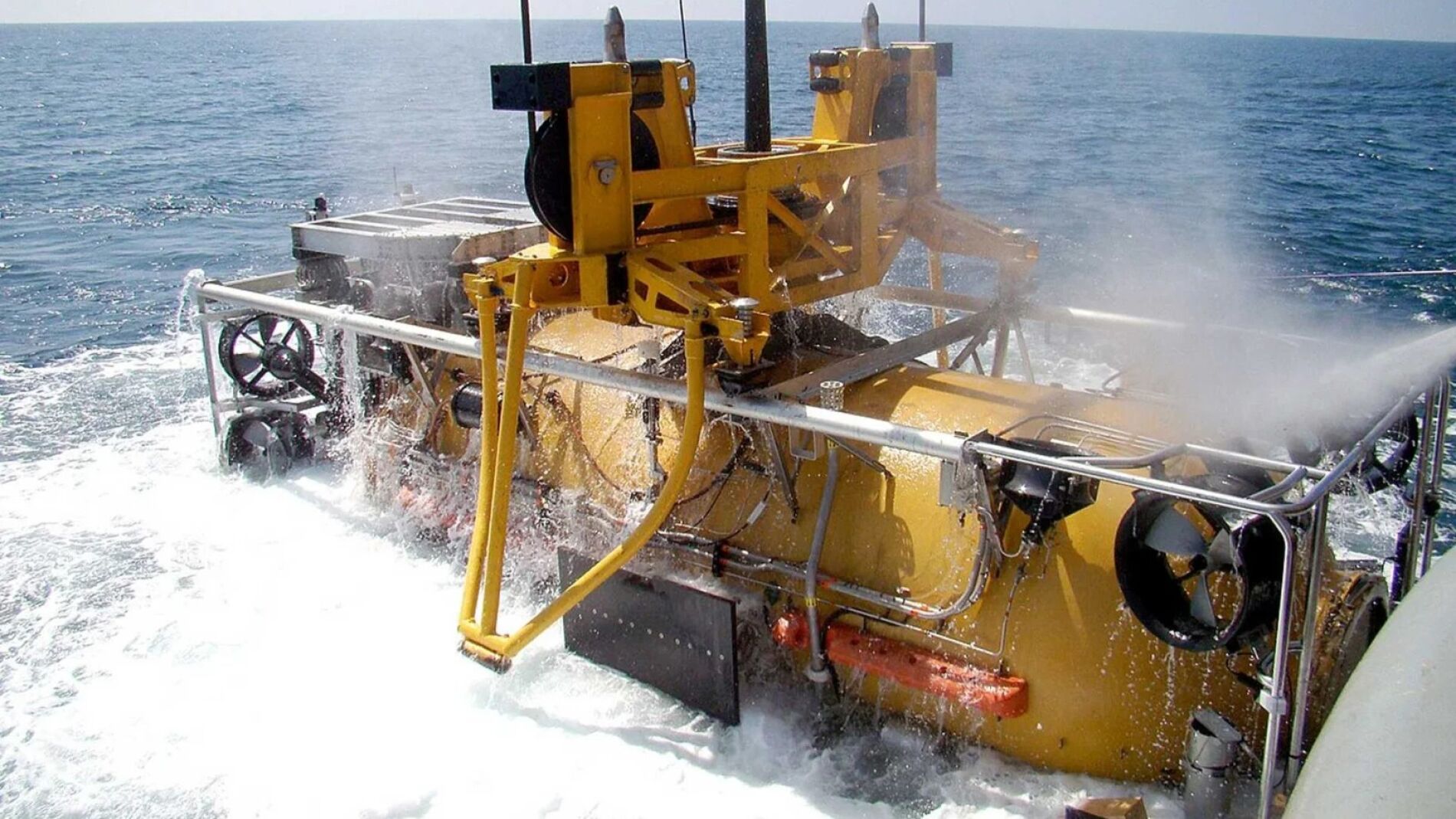
Under current protocols, the SRDRS maintains an operational target known as Time to First Rescue of 96 hours for international deployments. This metric measures the total elapsed time from the moment a rescue response is activated until the first survivor is evacuated from the submarine.
While the US Navy already applies a 72-hour rescue benchmark during domestic submarine sea trials, defense officials now intend to meet that 72-hour response window during emergency operations virtually anywhere on the globe.
Logistical bottlenecks and transport improvements
To reach the faster response target, military planners are focusing on streamlining the complex logistical pipeline required to move rescue gear across the globe. Under existing procedures, rescue systems must be assembled, transported to an airfield, loaded into cargo planes, flown to an airport near the accident site, driven by road to a harbor, and mounted onto an available vessel before sailing to the scene.
Military analysts note that the underwater speed of rescue vehicles is not the primary delay in submarine operations. Instead, each additional transport aircraft creates a separate cycle of loading, flying, unloading, and ground transport, meaning a delay in any single equipment module stalls the entire rescue mission.

The US Navy aims to reduce the total number of flights required and adapt the new rescue hardware for transport aboard both military C-17 Globemaster III aircraft and commercial cargo planes. The C-17 Globemaster III is a heavy transport aircraft capable of carrying large payloads across intercontinental distances.
Engineers are also reducing the physical footprint of the NGSRS so the hardware can be installed on a wider variety of commercial vessels available near an accident site, referred to in maritime rescue operations as ships of opportunity. Designers are exploring whether the rescue gear can be operated using standard cranes already installed on commercial ships, eliminating the need for specialized launch and recovery systems.
Medical decompression and project timeline
Beyond physical retrieval, the new system must address critical medical hazards associated with deep-sea emergencies. Internal flooding or mechanical failure can cause pressure inside a submarine's living spaces to rise significantly above normal atmospheric levels. Submariners exposed to elevated pressure face severe decompression sickness if returned rapidly to sea-level pressure.
Decompression sickness occurs when dissolved gases form harmful bubbles in blood and bodily tissues during rapid pressure changes. To mitigate this risk, the US Navy wants NGSRS rescue vehicles capable of extracting crew members from internal pressure environments of up to 5 ATA, or five times normal atmospheric pressure, while conducting initial decompression procedures inside the rescue vehicle itself.

The NGSRS initiative remains in its initial planning stages, and the Navy has not yet selected a final vehicle design. The meeting in Washington was organized by the Navy's PMS390 program office within Naval Sea Systems Command, which oversees submarine rescue and survivability systems.
Navy officials project that the new rescue system will be operational within five years following the formal award of a design and development contract.


