
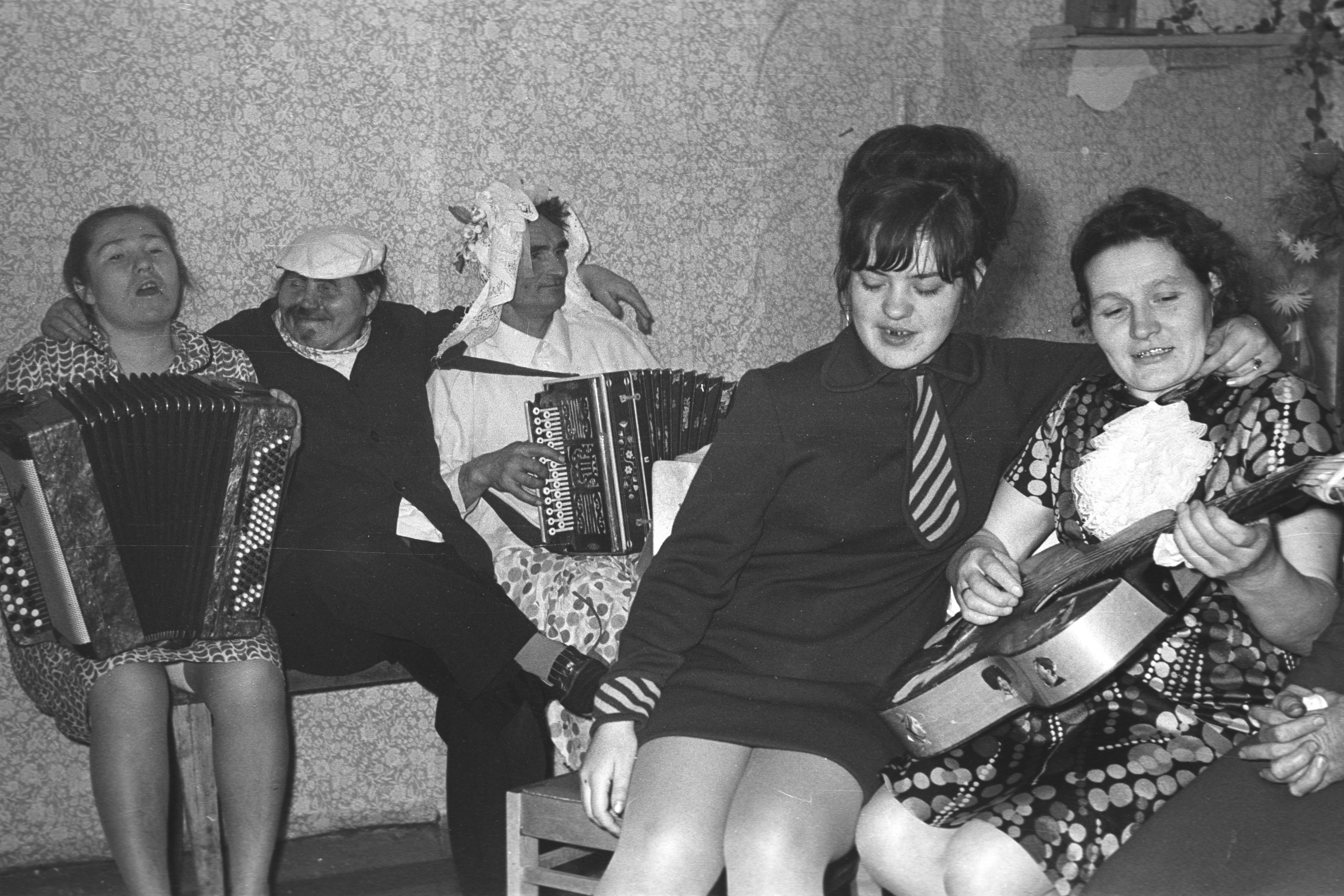
Documentary photographer Ekaterina Solovyova has spent recent years searching Russian villages in the Kostroma region for photo archives left behind by little-known local photographers, rescuing negatives, prints and glass plates before they are thrown out or lost to house renovations. Solovyova returned to Russia after twenty years living in Germany to take up what she calls photo archaeology of the Soviet countryside, she told Lenta.ru correspondent Pyotr Kamenchenko in the second part of an interview.
Solovyova said she settled in the Kostroma region because of her father, a journalist and member of the Writers' Union who took on manual labor jobs there during his vacations in the Soviet era, building cowsheds and barracks. He always noticed old objects and brought many home, including an icon he rescued from an abandoned building, old books and candlesticks. She grew up hearing his stories of the Russian North, including trips by kayak through the Kenozero lake district in the late 1970s, and a story about three stone lions on the porch of a tuberculosis clinic in the town of Sudislavl, a building that before the revolution belonged to a wealthy merchant named Tretyakov. Solovyova made her first independent trip, to Sudislavl, at age 19. She did not find the lions, but the Kostroma region has been a destination for her ever since.
Kamenchenko, the interviewer, said he had a similar experience, visiting the old town of Kargopol in the Arkhangelsk region, at the source of the Onega River, by chance in 1983 and falling in love with the Russian North for life. He said he spent the following twenty years traveling northern rivers and the White Sea by kayak, and still has boxes of slides showing wooden churches, most of which no longer exist, abandoned villages with large houses, and old household items.
Building trust with villagers
Solovyova said that after twenty years photographing the Russian provinces, making contact with local people is no longer a challenge. She and her team notify a village in advance, meet with the head of the local settlement, drink tea and ask who among the older residents might remember the past. Locals then take them to meet an elderly resident, and after tea and conversation about the old days, the resident often brings out a photo album. The team re-photographs some images and is sometimes given original prints or film to scan.
A hidden photo lab in Vokhomsky district
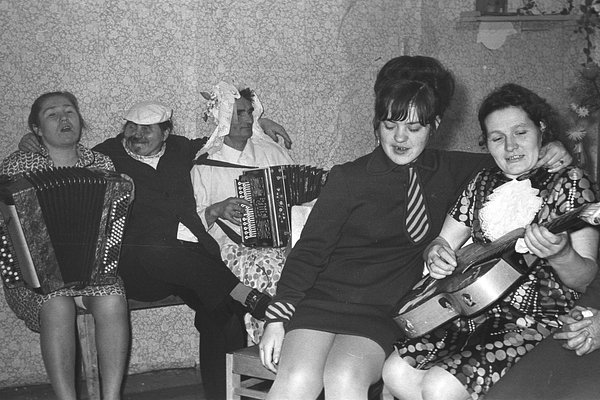
Solovyova described finding a photo lab in the village of Spas in the Vokhomsky district, on the border with the Vologda region. She said she and her team parked near an uninhabited house with carved window frames when a man on a moped stopped and said it was his father's house. He invited them inside, telling them to take anything they liked, including a chest of drawers made by his grandfather, since he planned to break the house up for firewood otherwise.
Once inside, Solovyova asked whether anyone in the family had done photography. The man, surprised, led her behind the stove and opened a door to reveal a photo lab. He explained that his father had worked at a photo studio taking identification pictures after returning from the war. Solovyova took a box of film showing what she believes were nearly all the residents of the surrounding villages, including, she said, one reel of an erotic nature featuring a nude woman, with no images of drinking parties, farewells, weddings or funerals. She called it one of her favorite finds. She added that more often, residents tell her a photographer once lived in a house that was later sold and renovated, with everything from the attic, including glass negatives, thrown away.
Glass negatives in an abandoned priest's house
In 2021, Solovyova visited the village of Kuzhbal in the Neya district on other business. The village holds the ruins of two churches, a wooden one from 1762 and a stone one from 1822, facing a house where a priest once lived. With permission from local authorities, she and her team entered the ransacked house, where chests stood open and belongings lay scattered. In an attic room they found glass negatives scattered across the floor, dating the images to the 1930s. She said the plates, which she carefully collected, were intact, and a nearby open chest held a box with twelve more. In total the team found about 40 glass plates showing images she described as strikingly beautiful and poetic, unlike the usual scenes of village drinking, funerals and weddings.
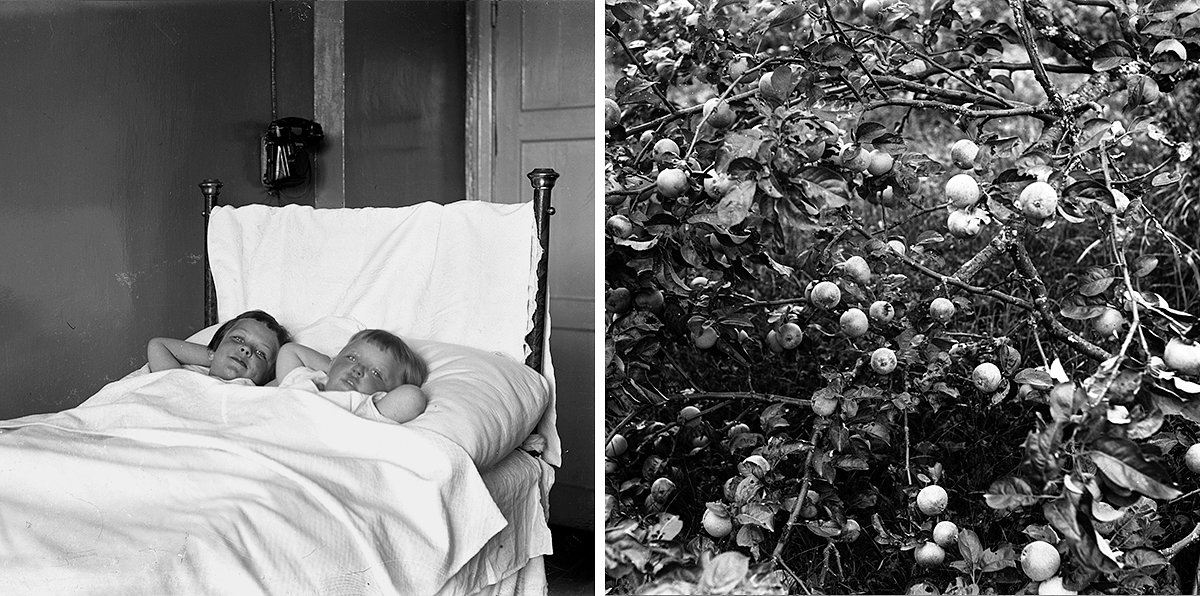
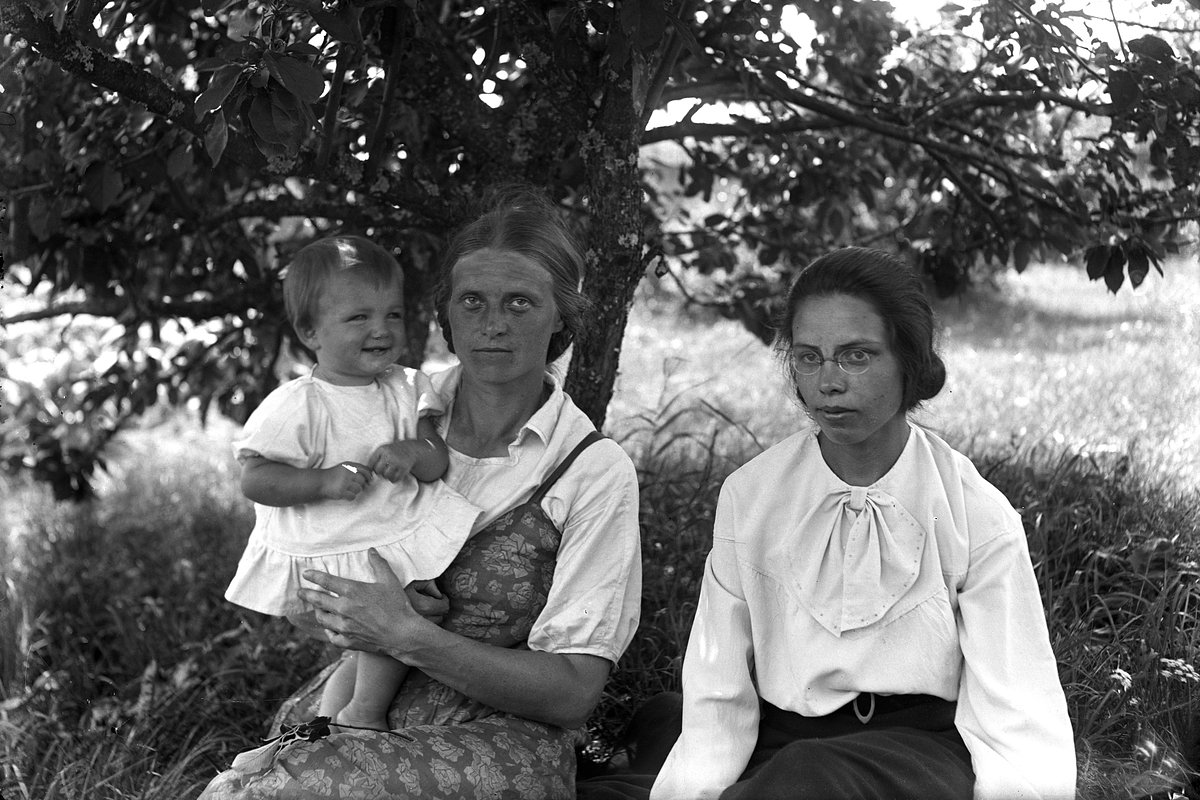
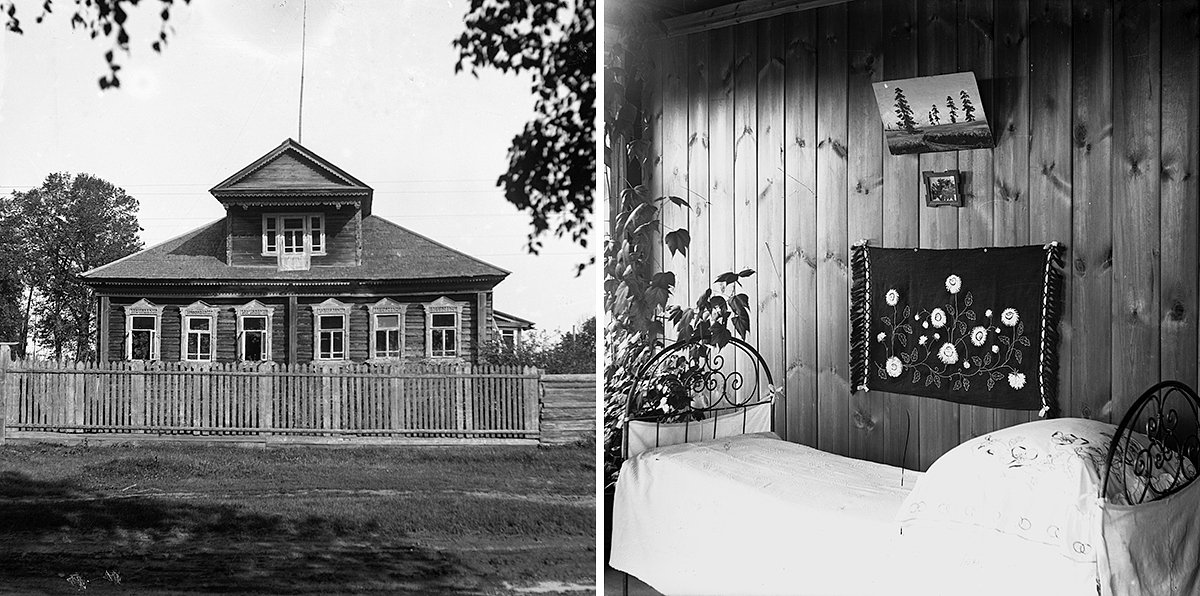
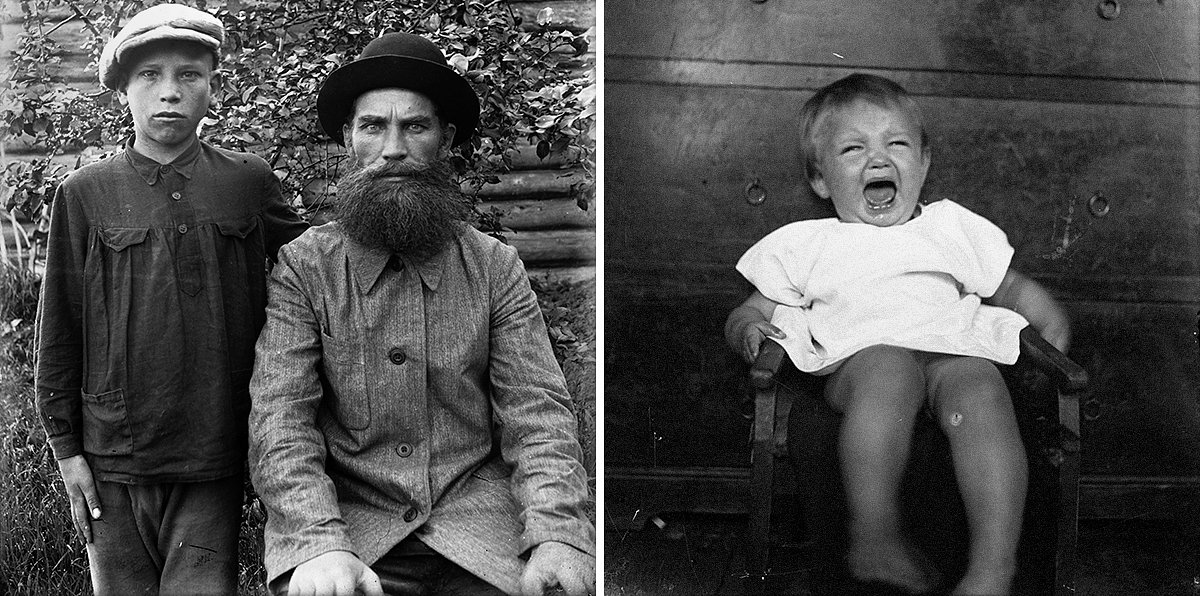
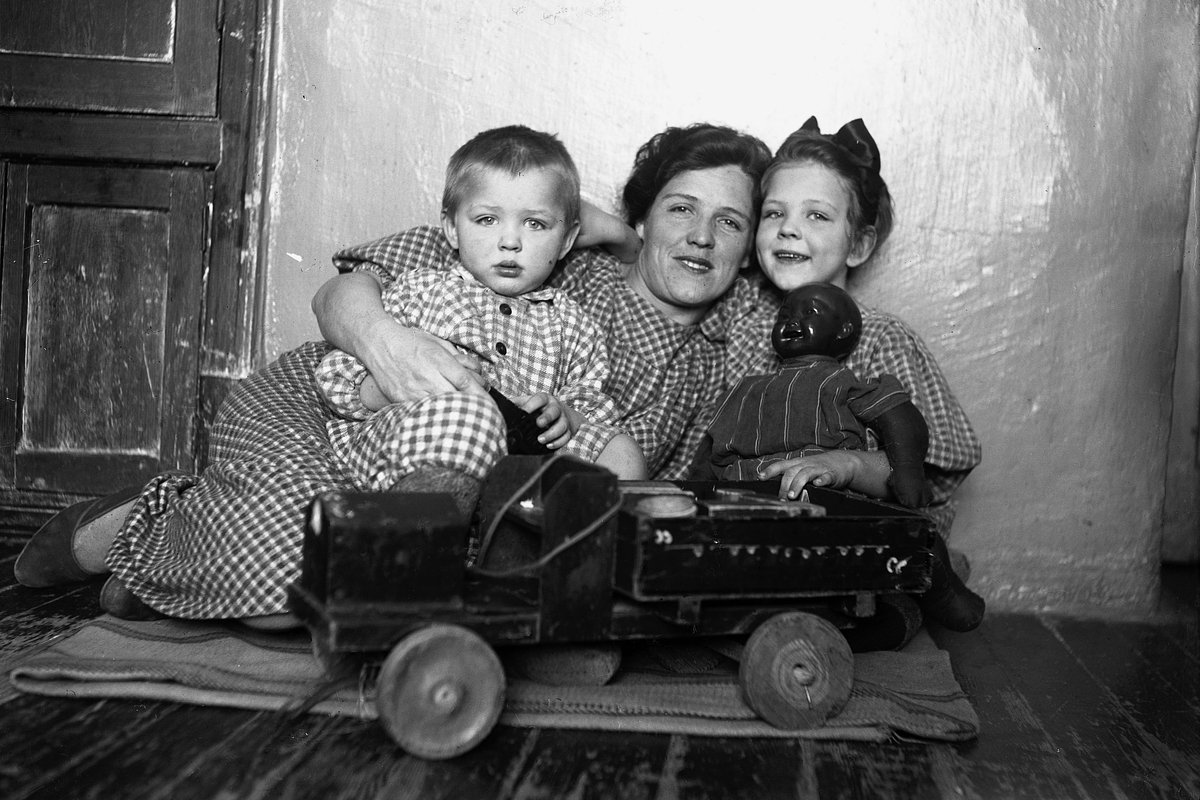
After scanning the plates, Solovyova learned they were taken by Vladimir Krasnukhin, grandson of Nikolai Krasnukhin, the priest of the Kuzhbal church. The Krasnukhin family, which Soviet authorities did not repress, left behind many letters in the house, including wartime triangle-folded letters. Vladimir wrote from Leningrad and died during the siege of the city, Solovyova said.
The discovery gave the village new energy, according to Solovyova. Residents cleared the house themselves and turned the better-preserved half into a museum dedicated to the Krasnukhin family. Solovyova said she and her team helped connect villagers with the charity Obshchee Delo, whose volunteers first organized a cleanup day and then ran expeditions there for three years, and the wooden church was preserved. She said the recent news from the village has been less positive, however, since its school is being closed this year.
Eleven sacks of film in Parfenyevo
Solovyova's favorite find, she said, is a large archive belonging to a photographer named Varnovsky, which she located in June 2023 in the village of Parfenyevo. Unlike other archives, it was never thrown out or forgotten. The photographer's daughter, Elena, had kept it on her father's instructions, as he had told her to keep everything because it would be needed one day, Solovyova said.
According to Solovyova, the photographer had organized the collection himself, sorting film into labeled boxes by year and packing them into eleven canvas potato sacks, which he stored in the dry, ventilated attic of his house. Over the course of a year, Solovyova's team has sorted and scanned two of the eleven sacks. She said she remains on good terms with Varnovsky's daughter and visits her.
A post-war crime photographer
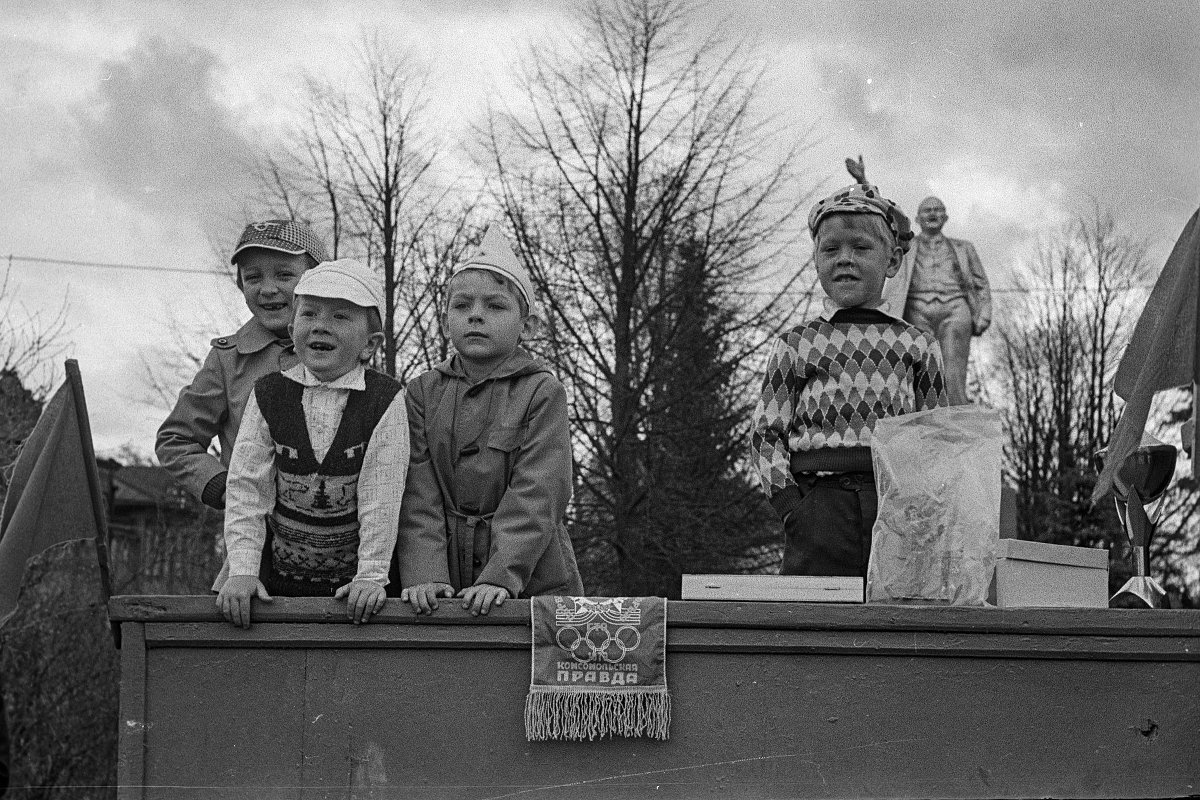
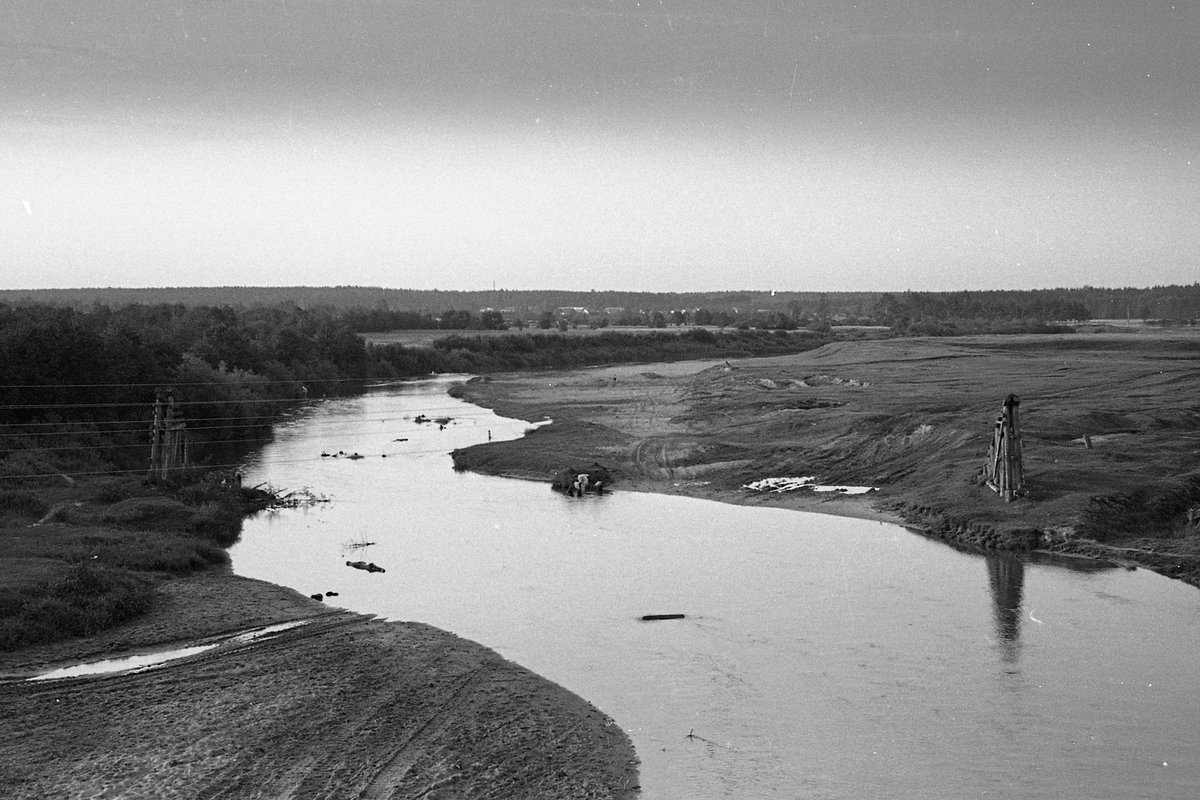
Solovyova said Vladimir Varnovsky served as a reconnaissance scout during the war and joined the police, known as the militia, in 1947. As part of his police duties he photographed accidents and incidents, including injuries, thefts, fires, drunkenness, and cases of death, burns and suicide, leaving behind what Solovyova described as a unique record of post-war crime scenes.
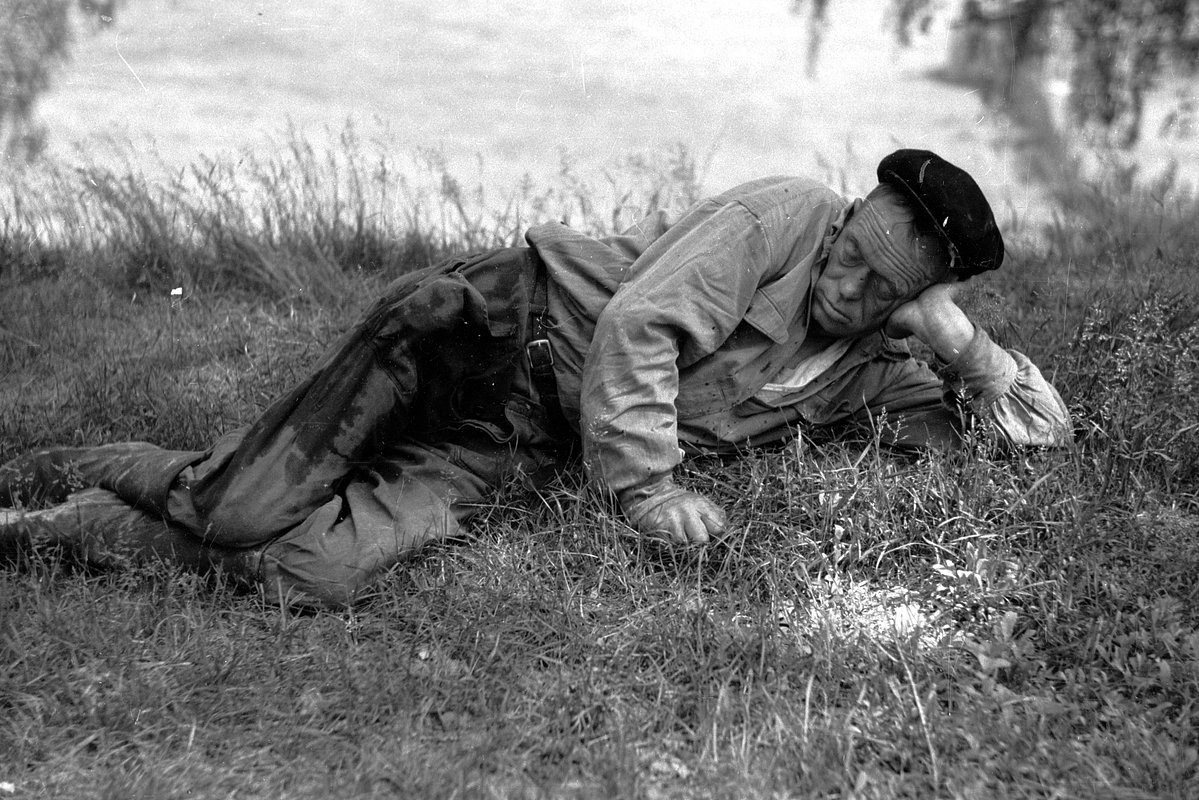
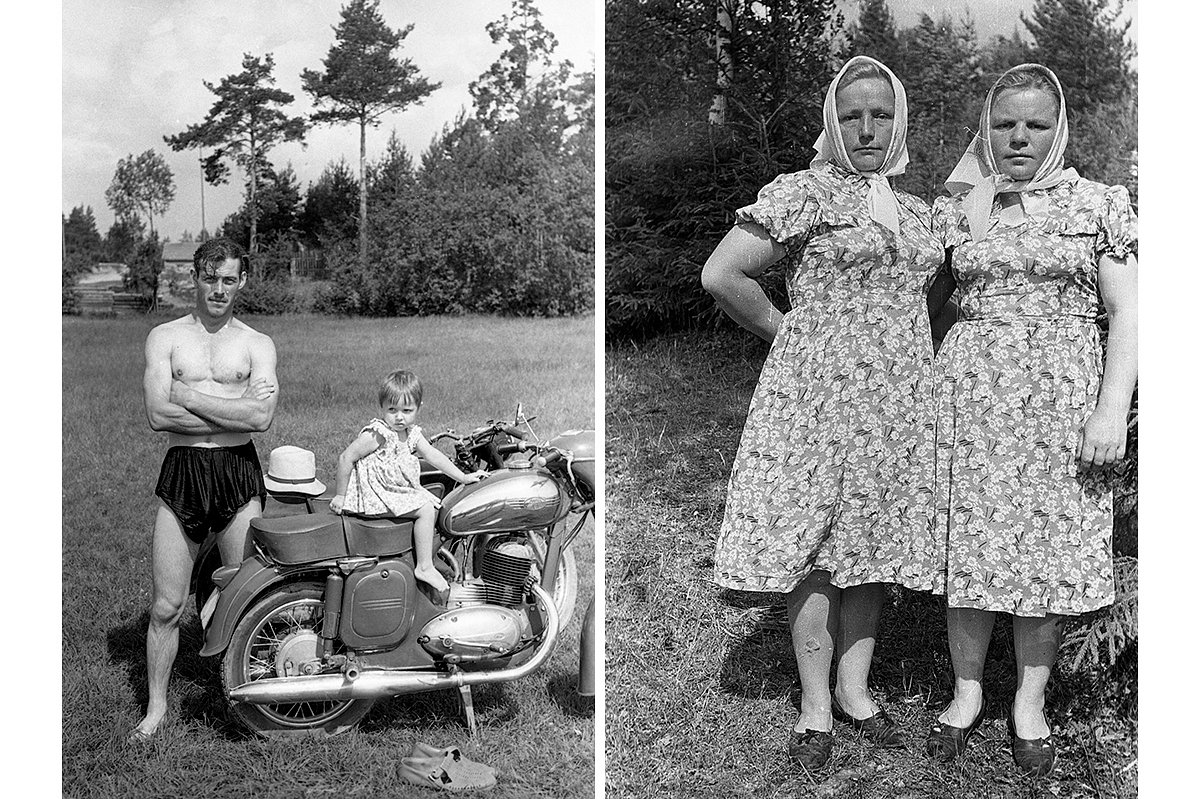
As a district police officer, Varnovsky traveled to incidents on a horse and cart issued to him for his job, though he had to feed the horse, cut hay and buy oats himself, Solovyova said. He later acquired a motorcycle with a sidecar, which he used to travel between villages in the district.
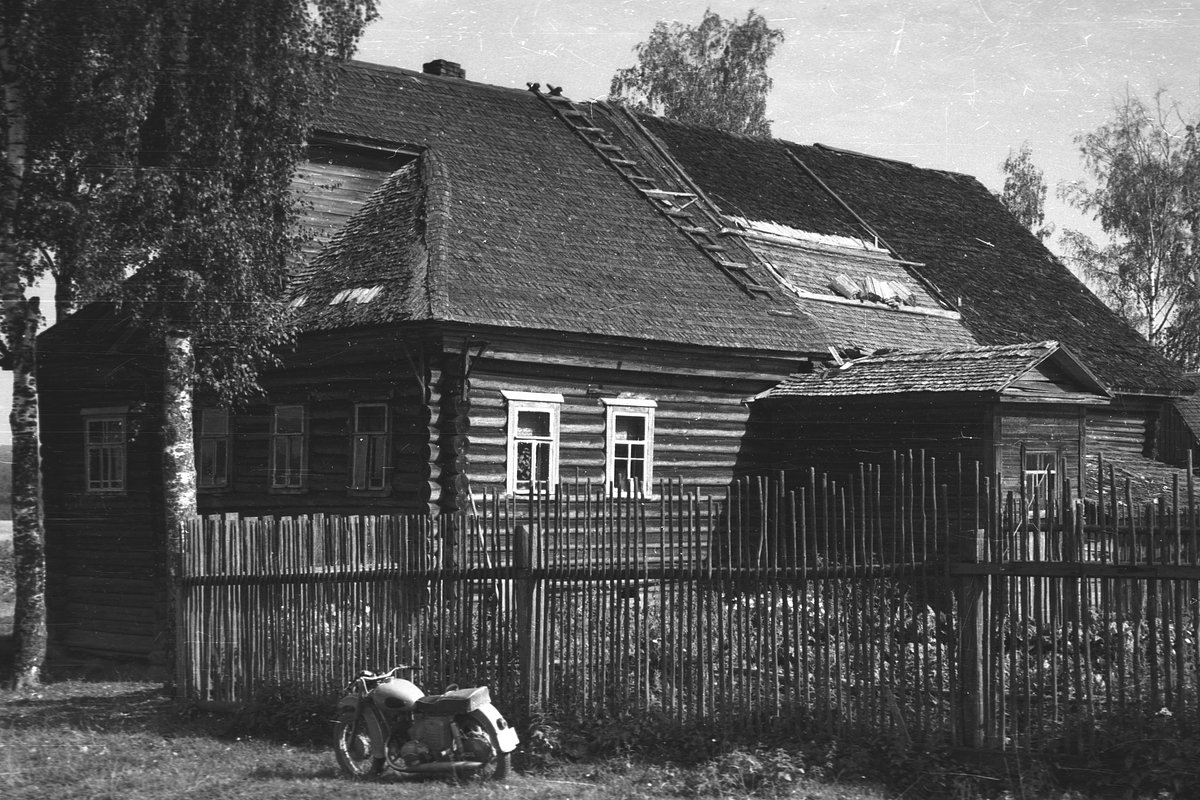
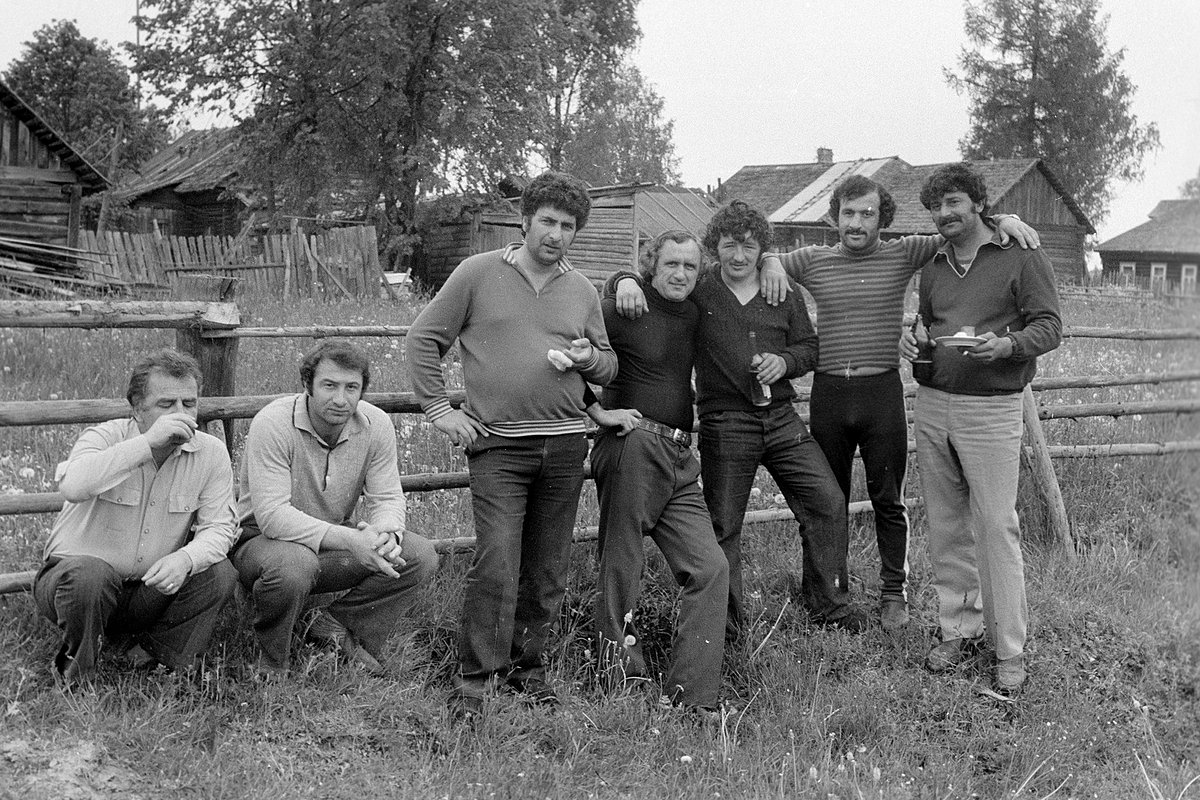
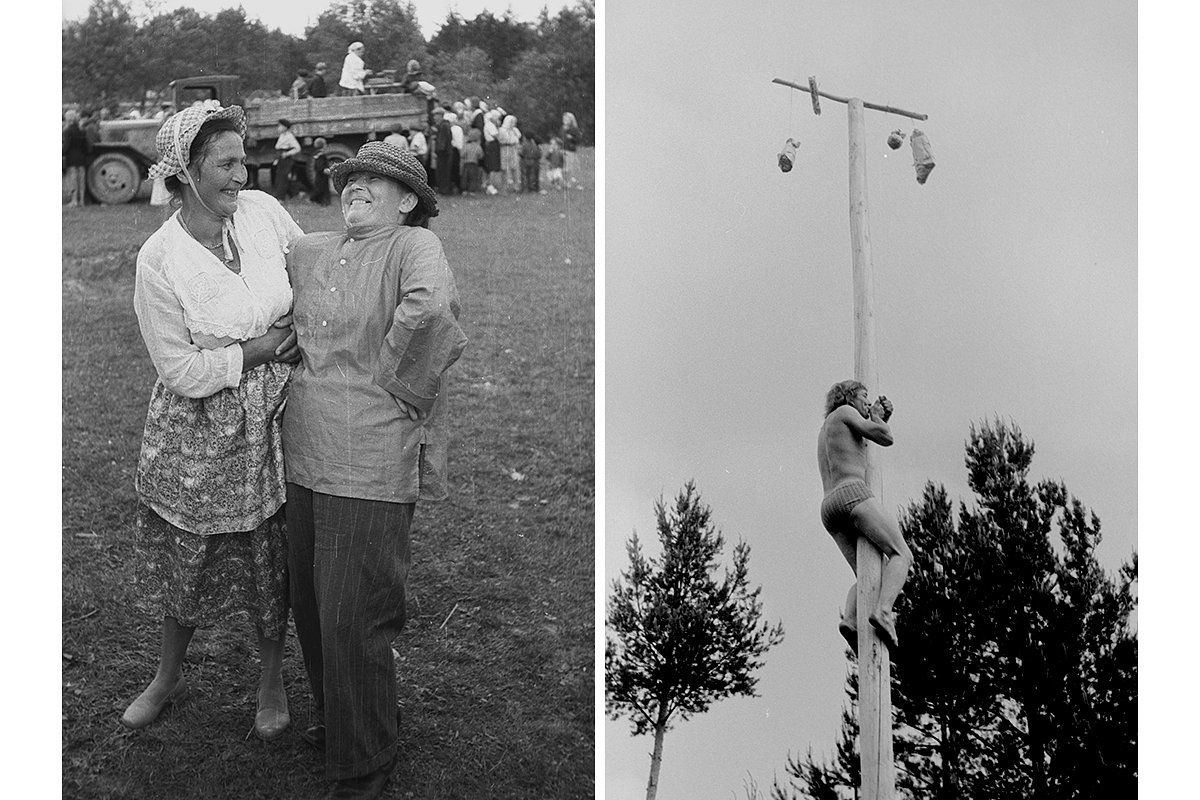
Varnovsky became so devoted to photography that he left the police in the late 1960s to work as a photographer at a local consumer services studio. He photographed across the district, taking identification photos, weddings, funerals, school and kindergarten events, May Day demonstrations, amateur performances, neighbors and holiday gatherings, and pasted his favorite images into more than 200 albums. He died in 2008, and Solovyova's team has been showing his work publicly since 2023.
Cataloguing the archives
Solovyova said her team has so far scanned 1,057 rolls of film from the Varnovsky archive alone, totaling 34,500 frames, from just two of the eleven sacks. Other archives she has recovered are far smaller, including about 700 frames from the Vokhomsky district and only 13 rolls of film from an archive in Soligalich belonging to a photographer named Alexander Dudin. Solovyova said her team has scanned archives from eight photographers in total, with one more archive from a photographer in Kostroma still waiting to be processed, alongside an archive from Mikhail Markovich Smodor of Galich that the team did not discover itself but is now working with.


