

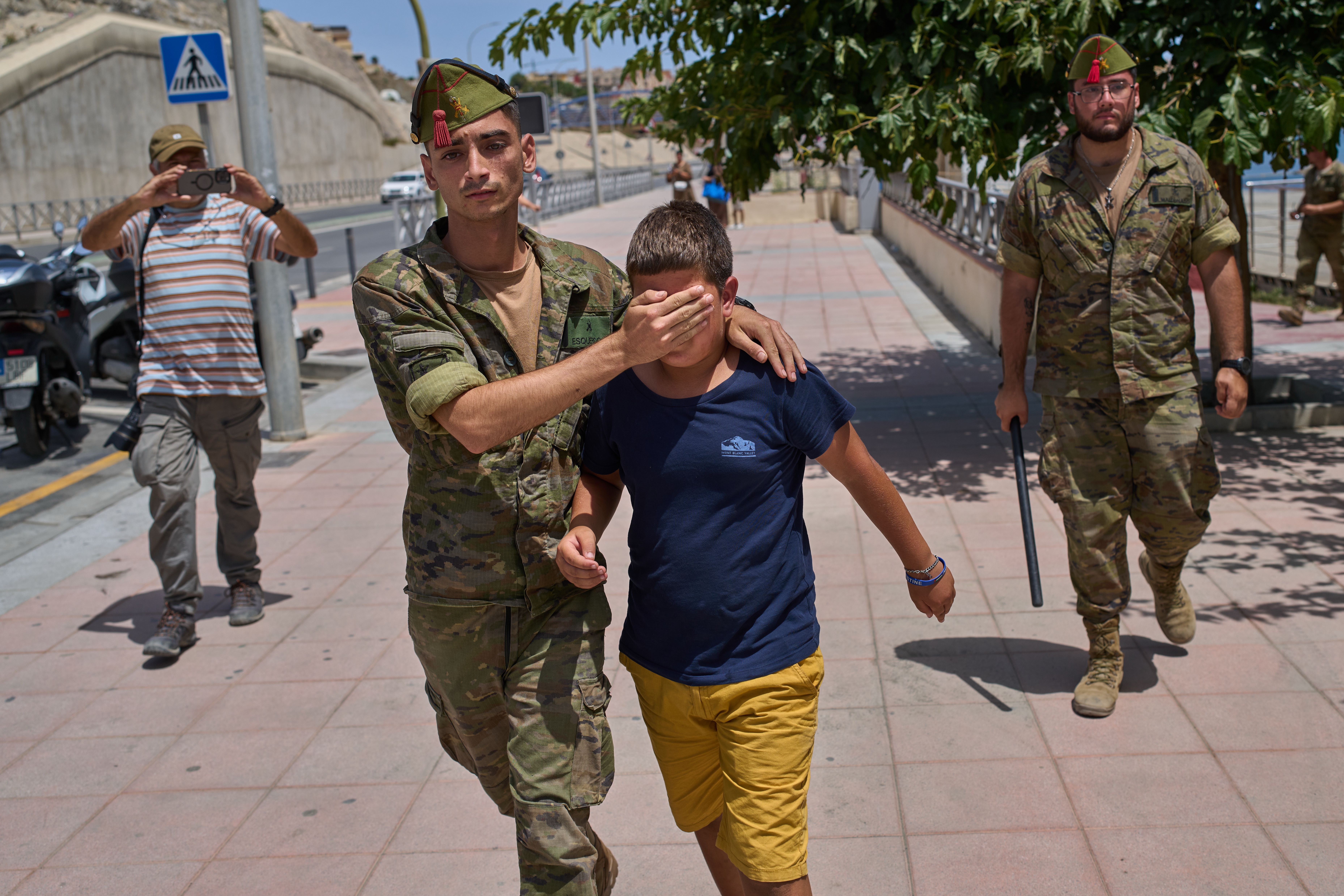
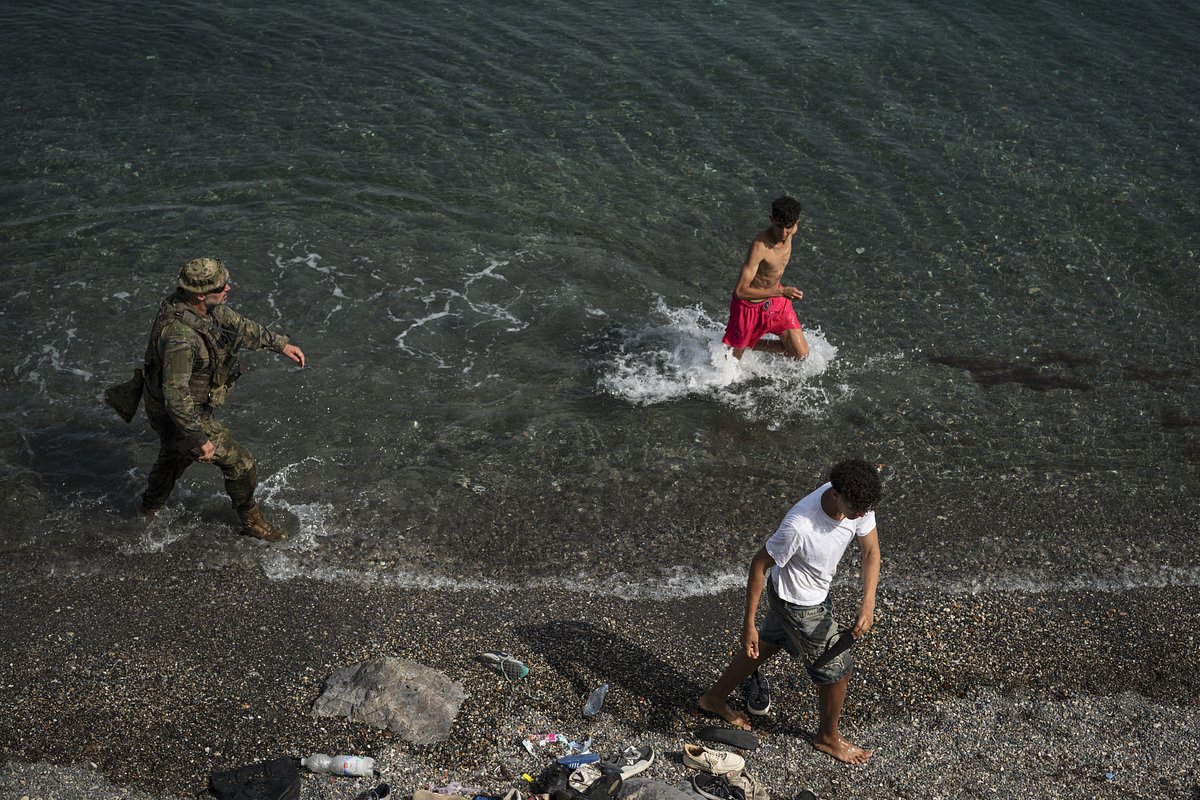
Spanish military forces deployed to the North African enclave of Ceuta in early August 2026 after 60,000 illegal migrants crossed from Morocco. Spanish authorities said order was restored within days, leaving only several hundred illegal migrants in the city. The crisis heightened territorial disputes between Spain and Morocco and sparked arguments over the future of the Schengen area.
Supreme Court Ruling on Sea Deportations
A recent decision by the Supreme Court of Spain triggered the migration surge. The court prohibited the immediate expulsion of migrants detained at sea while trying to enter Spain through the enclaves of Ceuta and Melilla. Under the ruling, immediate expulsion remains legal only when migrants scale physical land barriers, such as border fences.
Spanish authorities may still deport migrants detained at sea, but only after completing established legal procedures. People-smuggling networks operating from Morocco took advantage of this procedural delay to recruit migrants seeking entry into the Schengen zone.
Mass Border Crossings and Fatalities
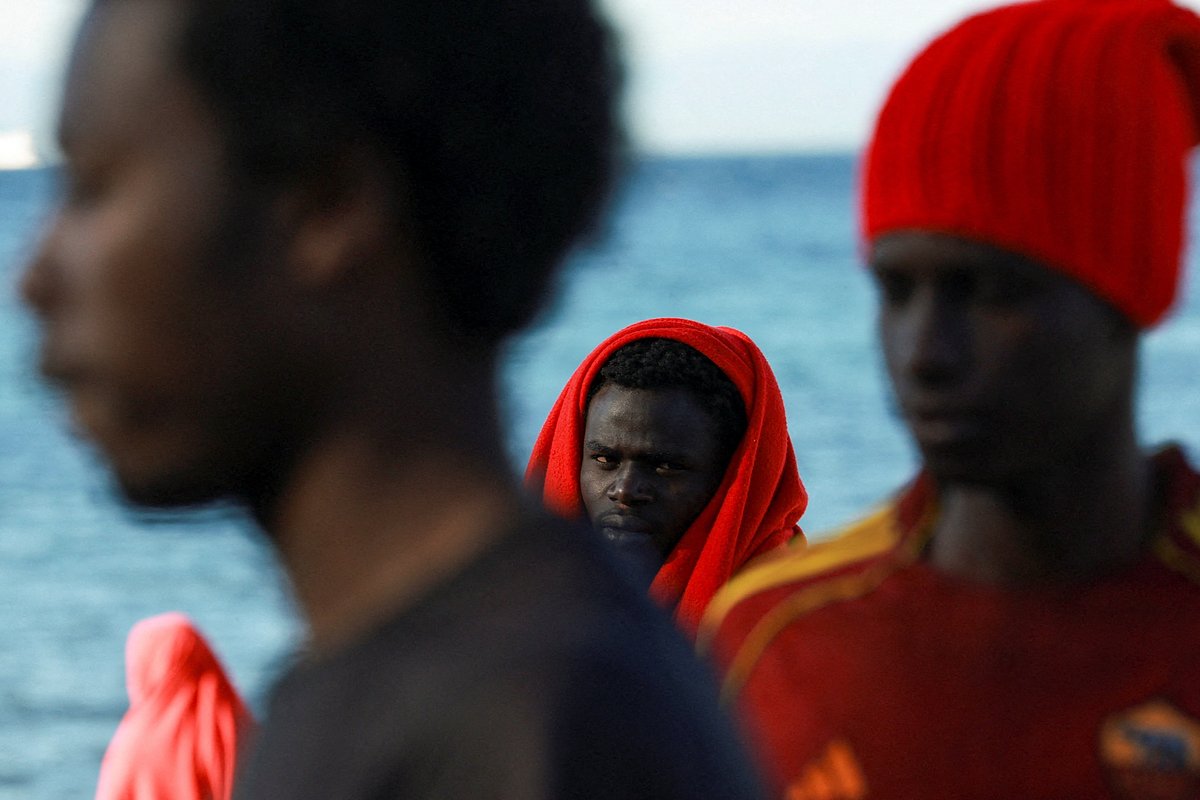
Thousands of people crossed into Ceuta within days of the court ruling. Migrants initially swam from the Moroccan city of Fnideq using inflatable rings and air mattresses before others broke through land barriers.
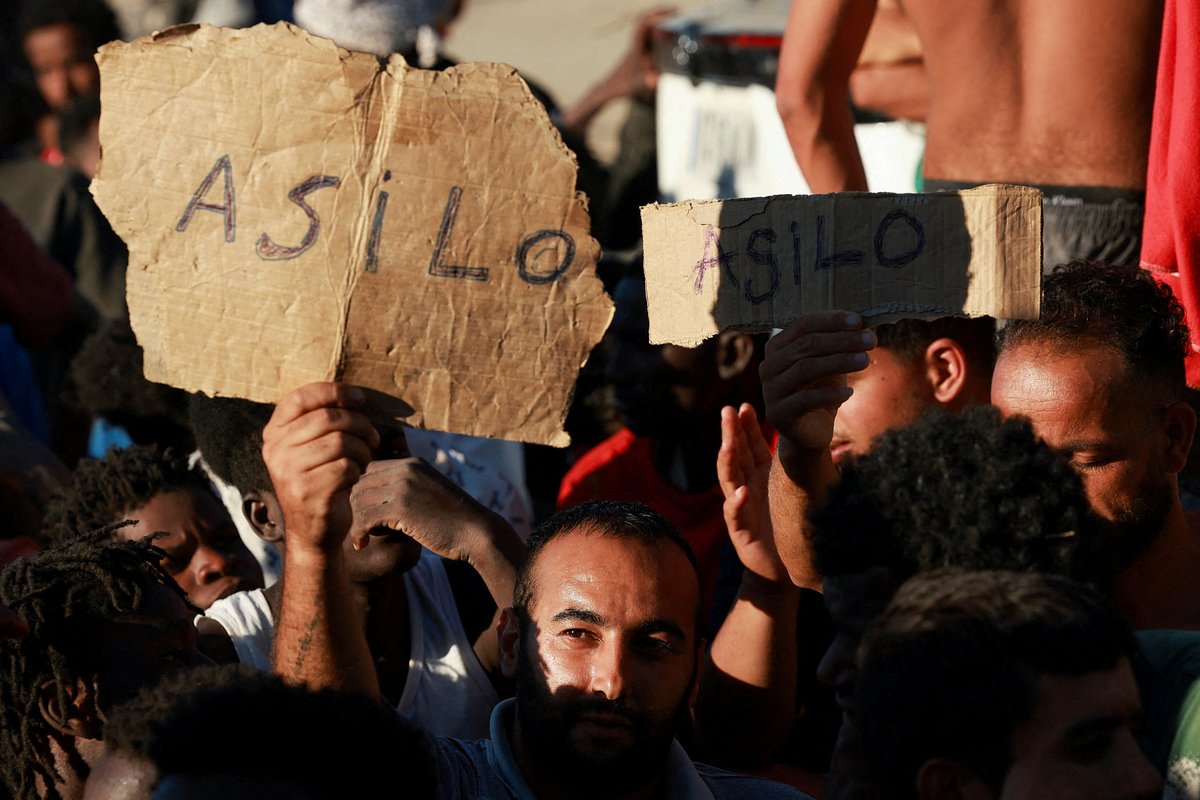
The 60,000 arrivals entered a city with a population of just over 80,000 people. Most of the migrants were young Moroccans, and over 10 percent were minors. Media reports indicated that at least 141 people may have died during the border storming, suffering fatal exhaustion at sea, dying in beach stampedes, or drowning while attempting to pass border breakwaters. Bodies continue to wash up along Spanish and Moroccan coastlines.
Further movement into Europe remained blocked because the Strait of Gibraltar separates Ceuta from mainland Spain.
Overcrowding and Local Disruption
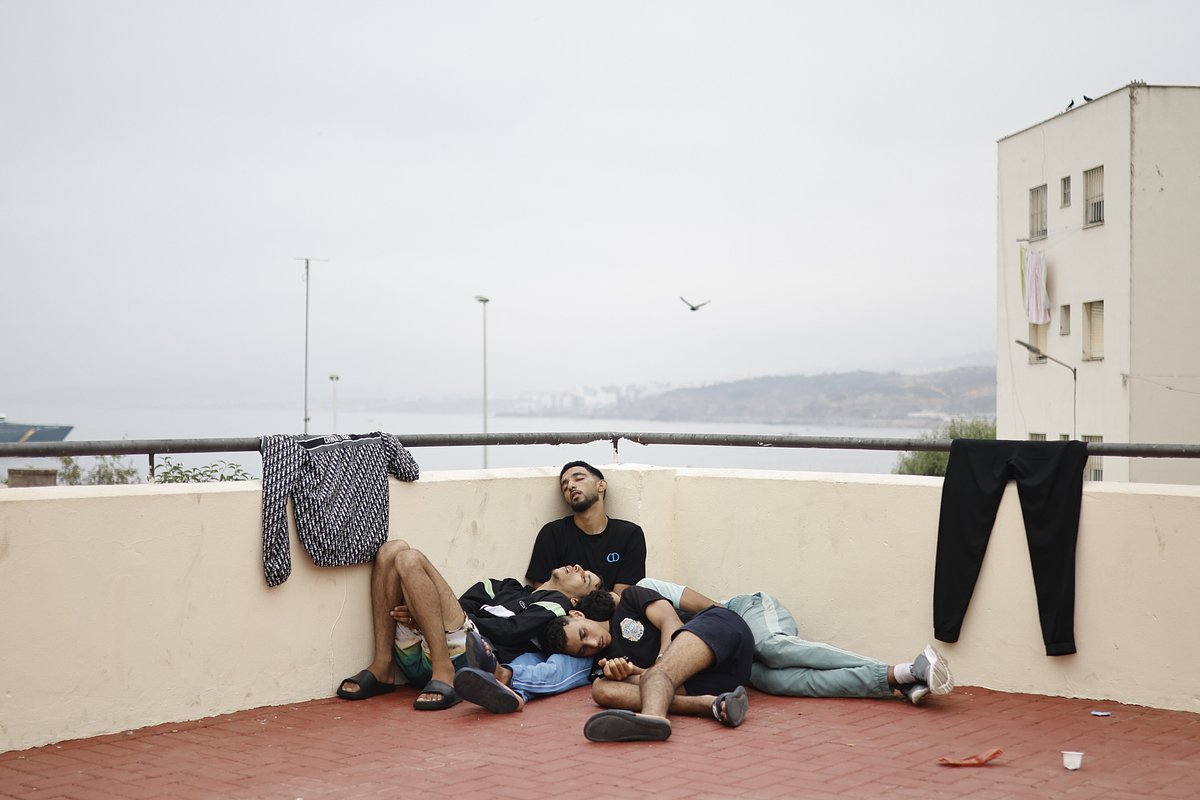
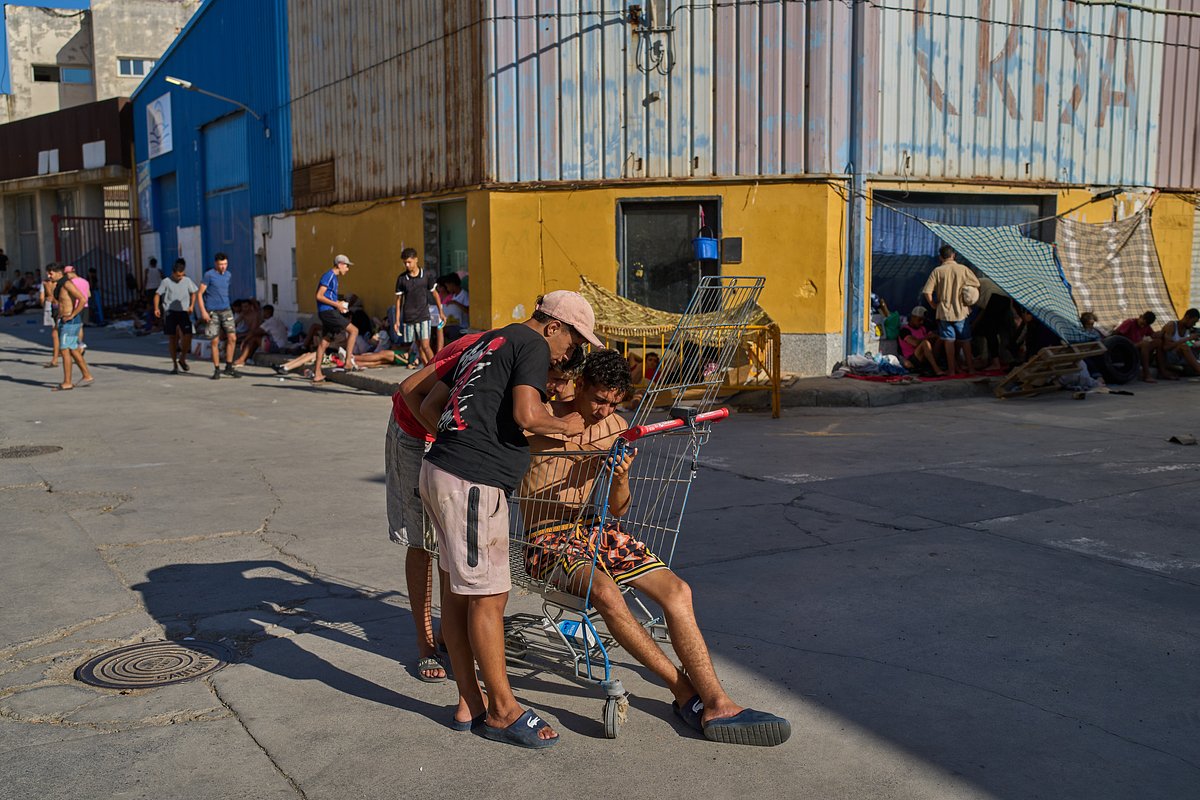
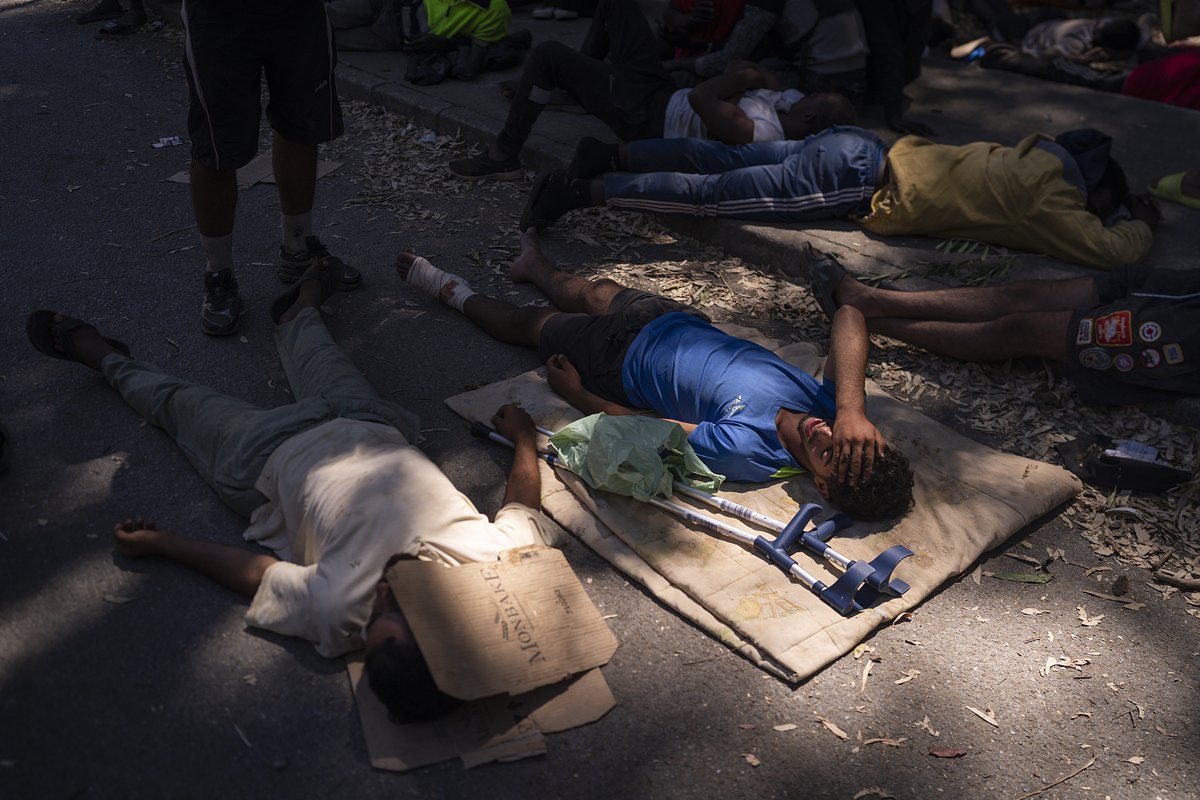
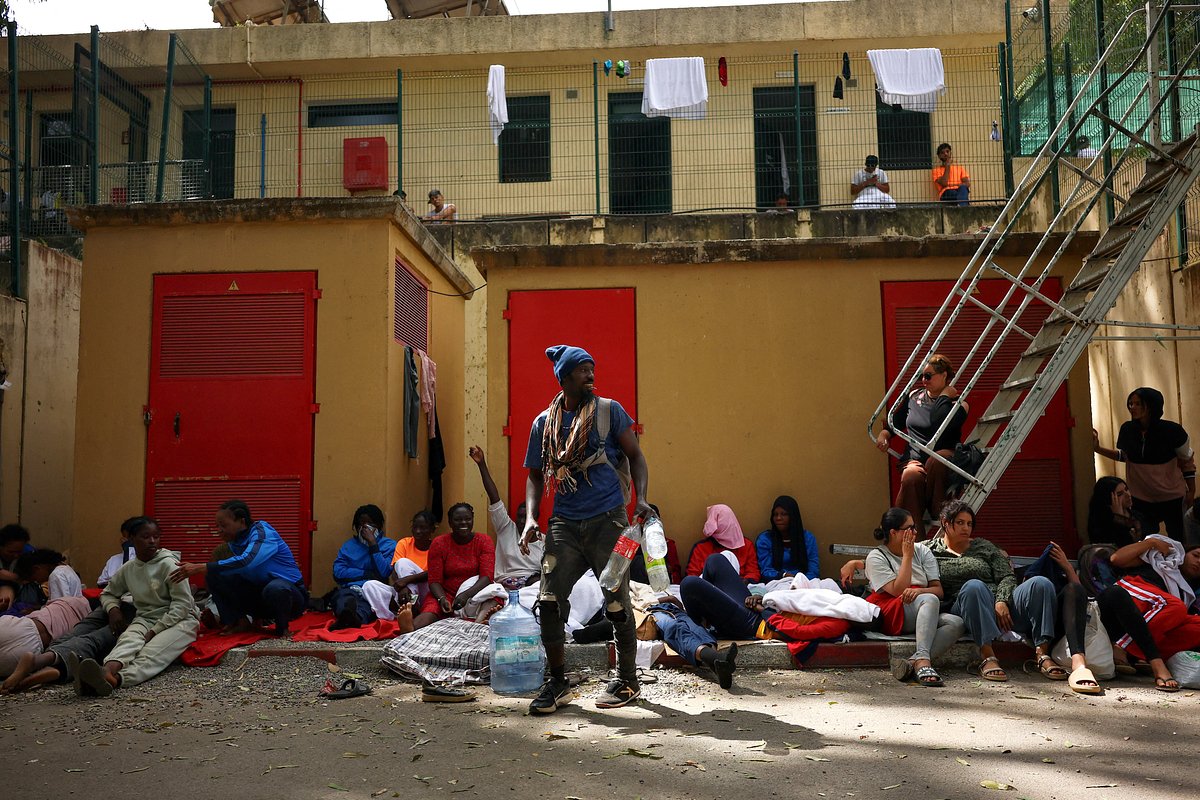
Local authorities placed some migrants, mainly minors, in temporary reception centers. The overwhelming numbers caused centers for minor migrants to exceed capacity by 26 times, forcing many new arrivals to sleep on city streets.
Looting broke out across Ceuta as migrants robbed shops and occupied vacant homes, leading many supermarkets and shopping centers to close. Local right-wing activists urged residents to patrol streets with sticks to defend their property.
Ceuta Mayor-President Juan Jesus Vivas, representing the opposition conservative People's Party, asked the Spanish government to declare a national state of emergency. The national government rejected the request, arguing that a regional crisis did not warrant nationwide emergency measures.
Military Deployment and Border Barriers
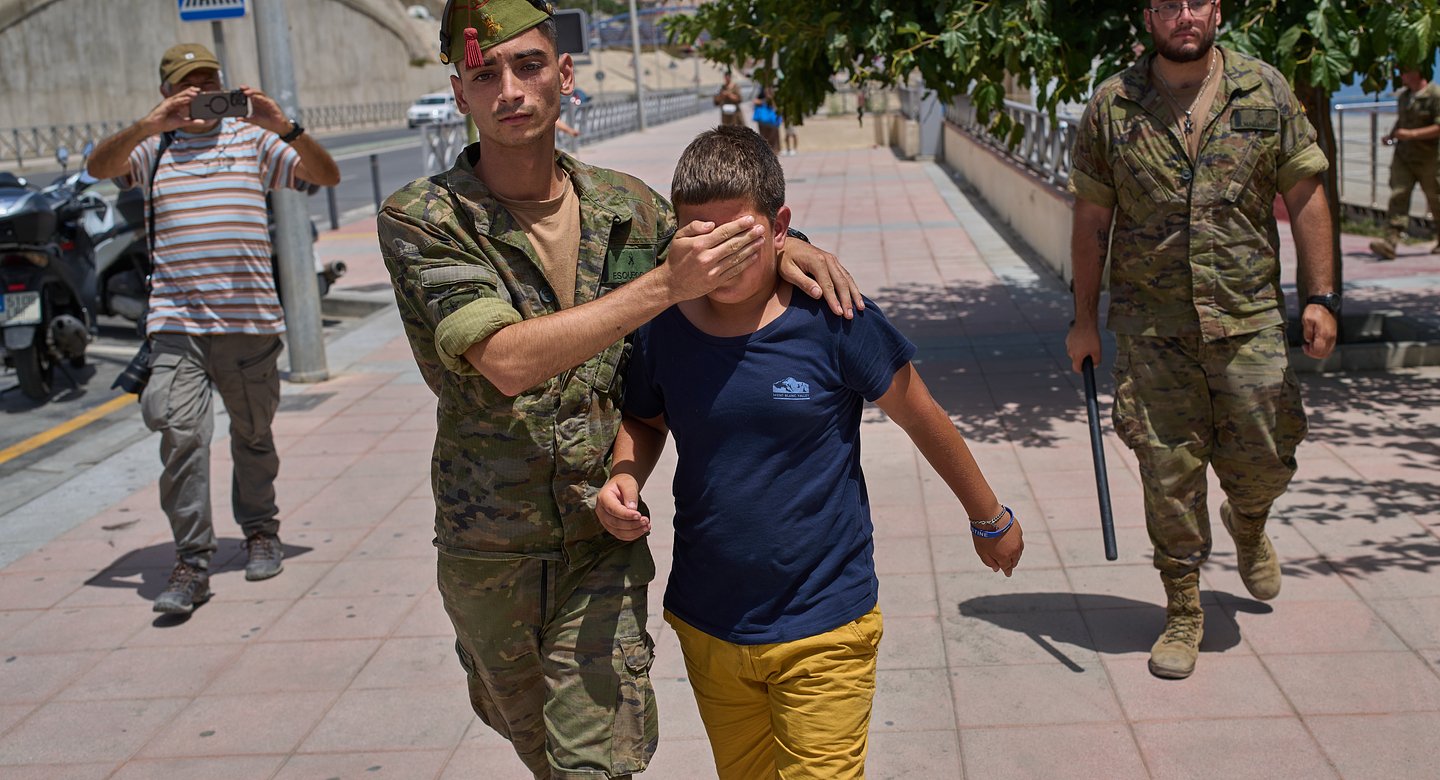
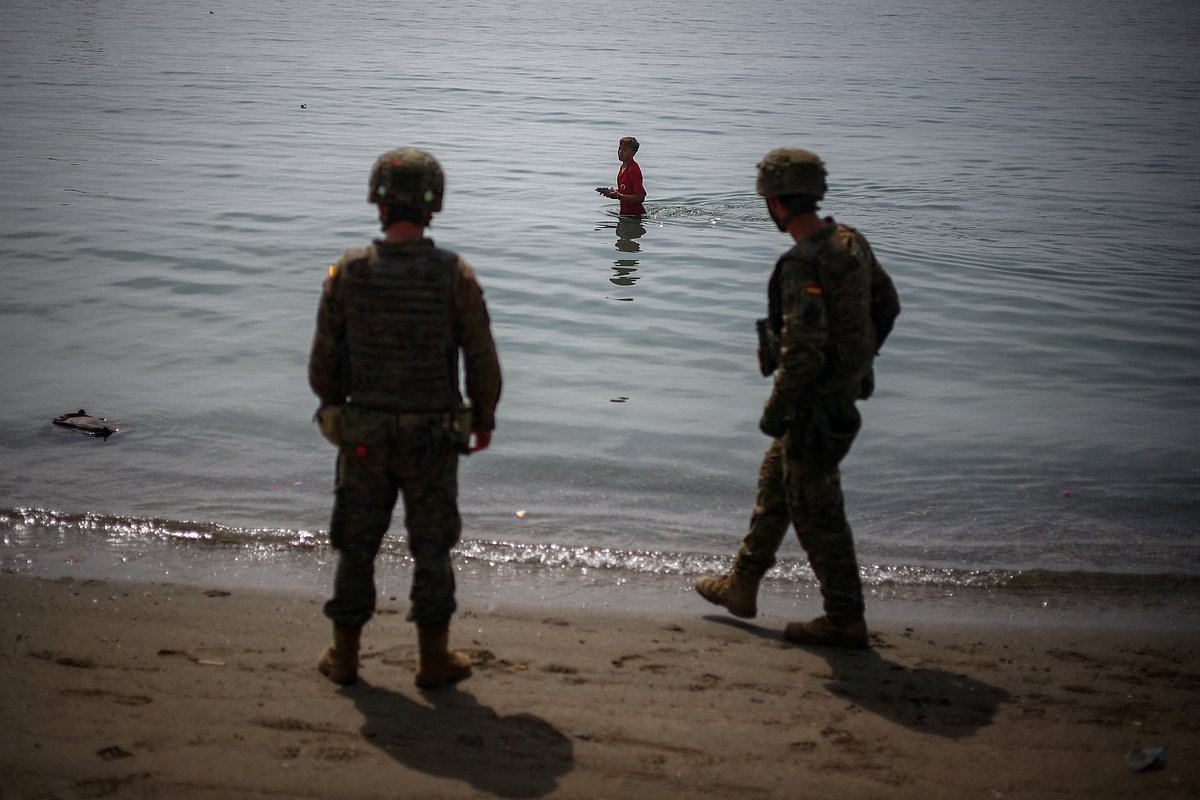
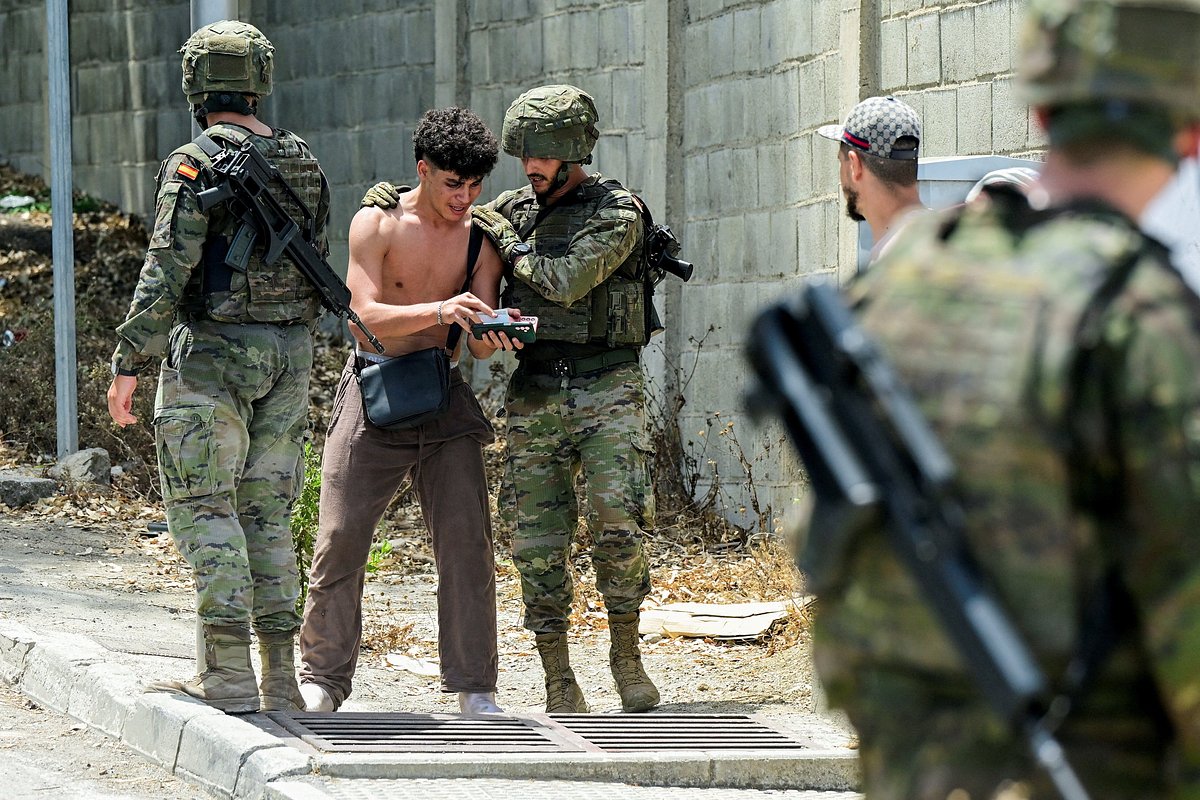
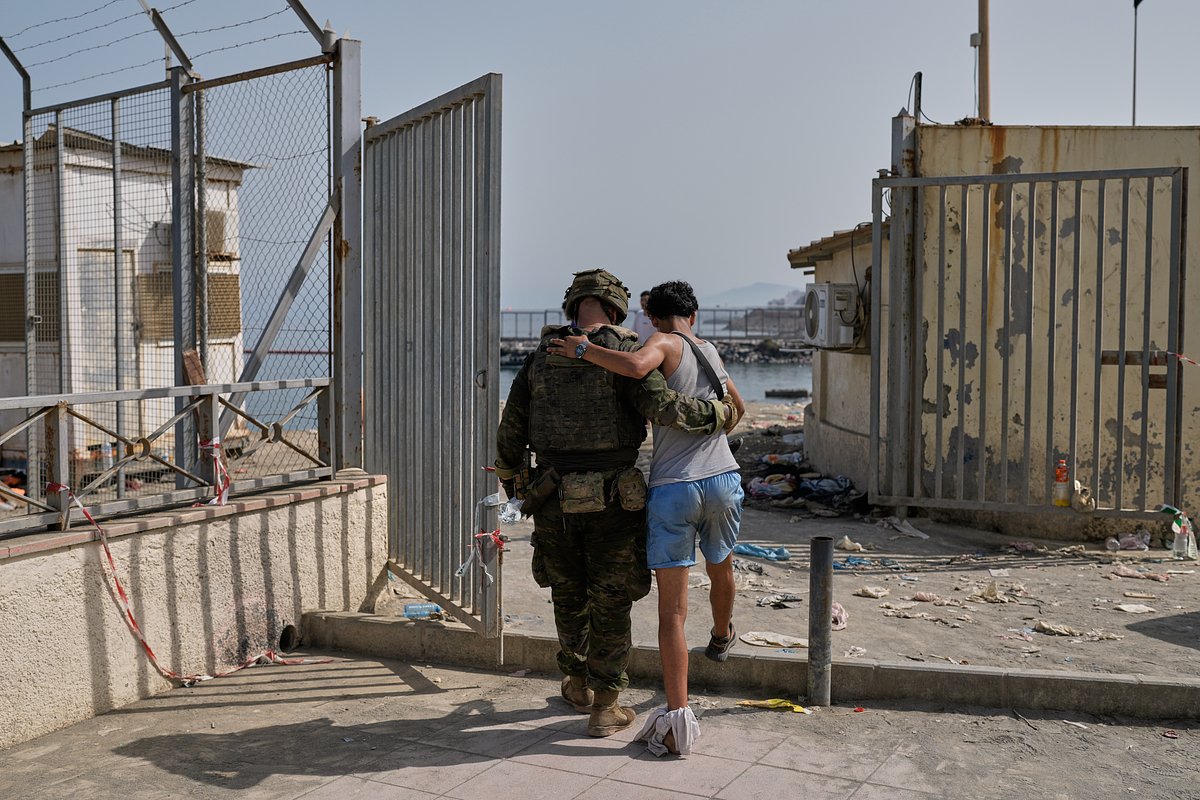
Following the influx of tens of thousands of migrants, the Spanish government deployed military units into Ceuta. Soldiers began expelling illegal migrants, and nearly all left the city within a few days, though some managed to evade troops and hide within the city.
Authorities also installed a floating barrier off the coast of Ceuta. Officials expect the barrier to prevent future sea arrivals and strengthen border security.
Ignored Intelligence and Advance Warnings
A political debate erupted in Spain over responsibility for the border breach. The National Intelligence Center had warned the Ministry of Internal Affairs several weeks prior that migrants were preparing to storm the Ceuta border, but media reports indicated the government ignored the warnings.
Spanish radio station Cadena SER reported that the migrants would not have entered Spain if the Ministry of Internal Affairs had taken preventive action, noting that the border lacked adequate security equipment.
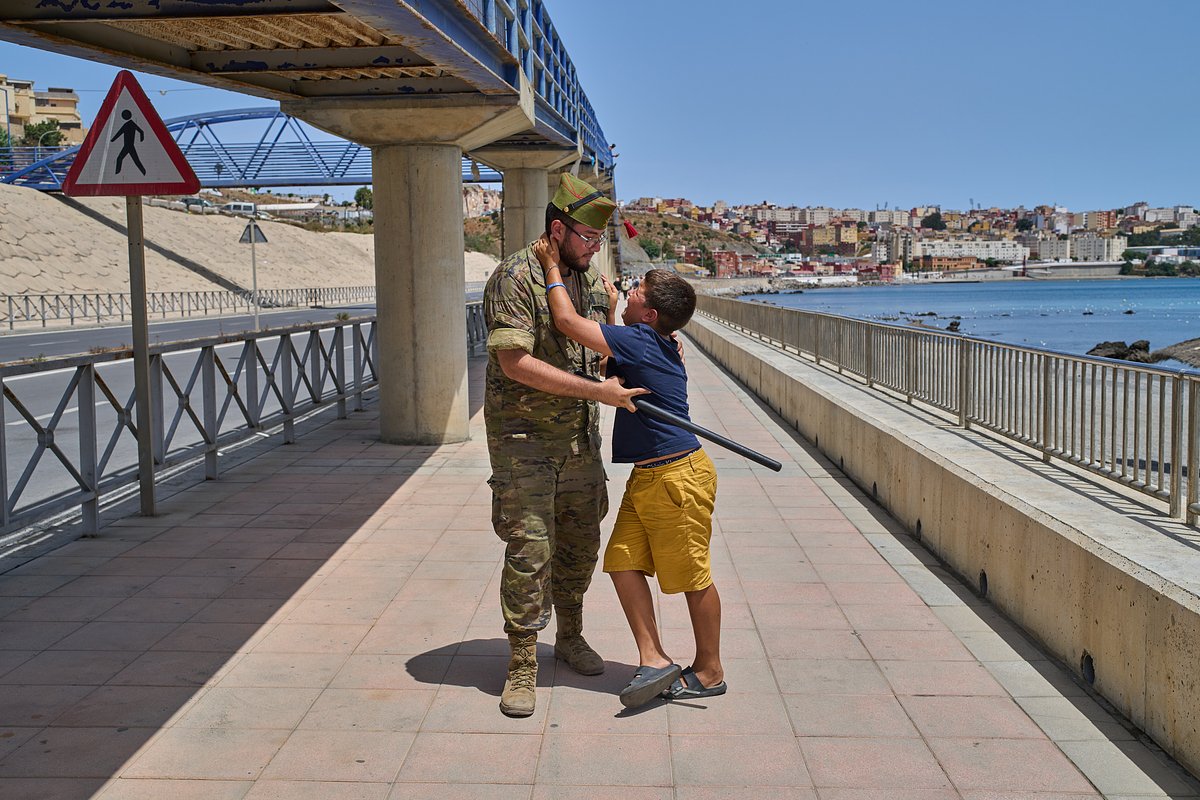
Ceuta Mayor-President Juan Jesus Vivas criticized the government's response as insufficient, stating he had warned officials about a potential repeat of the 2021 border crisis. Vivas said he informed the government that the city could face the same scenario as five years earlier, but officials replied that the situation would resolve itself and that such events happen every summer.
Allegations of Moroccan Involvement
Spanish media raised questions about possible involvement by Moroccan authorities. Tensions between the two nations persist, as Spain does not recognize Moroccan sovereignty over Western Sahara, while Morocco considers Ceuta and Melilla to be occupied territories.
One theory suggested Morocco allowed the migration wave to pressure Spain and undermine Spanish control of the enclave. Spanish media reported that Moroccan security forces may have escorted trucks carrying migrants and that border gates on the Moroccan side were intentionally opened.
The Spanish government blamed Moroccan criminal syndicates. Prime Minister Pedro Sanchez stated that these groups effectively launched an attack on the territorial integrity of Spain.
Morocco's Rejection and United States Involvement
Moroccan officials rejected claims of state involvement. The Moroccan Ministry of Foreign Affairs described reports of intentionally opened border gates as false, stating that Moroccan security forces used water cannons to stop the migrants.
Moroccan politicians asserted that the enclave crisis requires joint bilateral solutions. They claimed external forces interested in damaging Spain-Morocco relations were stoking territorial disputes.
Yahya Yahya, who served as chairman of the Moroccan National Committee for the Liberation of Ceuta and Melilla from 2007 to 2014, said external entities sought to profit from tensions surrounding Ceuta and Melilla, adding that their goals did not serve residents or future relations between Rabat and Madrid.
Shortly before the crisis, Morocco expanded cooperation with the administration of United States President Donald Trump, who had criticized Spain for refusing to support American military operations against Iran. United States Representative Thomas Massie, a Republican, stated that the American administration allocated $40 million to Morocco and effectively supported Moroccan territorial claims to Spanish enclaves.
Massie said Republicans accepted a report stating that Spanish-administered Ceuta and Melilla are located on Moroccan territory and remain subject to long-standing Moroccan claims.
European Union Disputes and Border Controls
The crisis in Ceuta ignited fierce debates across the European Union. Italian Prime Minister Giorgia Meloni stated that uncontrolled illegal immigration poses a concrete threat to European border security, suggesting restrictions on travelers arriving from Spain.
Meloni added that Italy was prepared to suspend the Schengen Agreement with Spain to safeguard Italian territory.
Finland backed the Italian position. Finnish Minister of the Interior Mari Rantanen stated that Spain failed completely to protect the external Schengen border from invasions and insisted that nations unable to secure their borders should not remain in the Schengen Agreement.
France also announced increased controls along its border with Spain. French Minister of the Interior Laurent Nunez reported that authorities would deploy rapid reaction forces and intensify checks.
Despite these threats, Spain's status in the Schengen zone remains unchanged, and the country continues as a full member of the agreement.

Analyst Assessment of European Unity
Greg Simons, a political scientist and professor at Daffodil International University in Dhaka, Bangladesh, told Lenta.ru that the events in Ceuta highlighted deep divisions within the European Union. He noted that while disagreements surfaced during prior migration waves and the COVID-19 pandemic, internal cracks are growing deeper.
Simons said the lack of assistance to Spain from partners like Italy or France shows how fragmented and vulnerable the European Union has become, calling the crisis another blow to the bloc's principle of free movement. He added that the European Union faces severe threats to national security and state sovereignty but lacks the capability to handle them independently.
Simons noted that European right-wing parties could leverage the Ceuta crisis to demand stricter immigration policies. He also suggested the United States might try to shift European public opinion regarding Iran by focusing on fears of Muslim immigration.
Simons said that flooding Spain with crowds from a Muslim country could be used to build sympathy for Israeli actions in Gaza or United States strikes against Iran.


