


United States Navy scientists at the Naval Surface Warfare Center Corona are using measurement standards accurate to one nanometer to check components for the Trident II D5 Life Extension nuclear missile.
Specialists at the facility's Measurement Science and Technology Laboratory, located in southern California, test missile parts to tolerances of millionths of a centimeter. Navy officials clarified that this nanometer precision refers to the exactness of component verification rather than the margin of error when the missile strikes a target.
The Trident II D5 Life Extension, known as the D5LE, is a submarine-launched ballistic missile that forms part of the strategic nuclear arsenal of the United States. Its primary role is to provide a strategic deterrence capability that must remain extremely reliable.
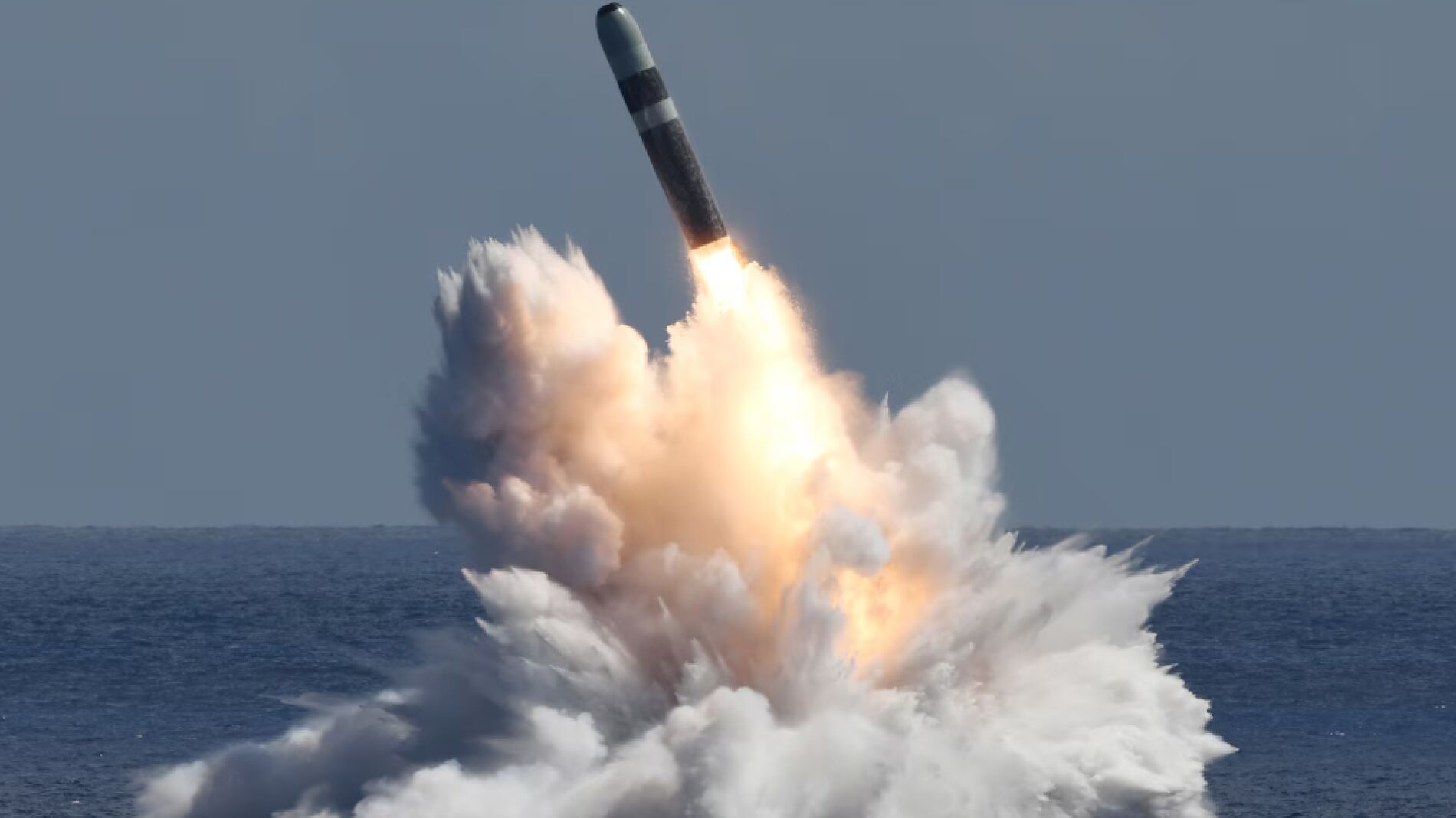
To ensure that reliability, scientists at Corona control and certify specialized tools known as special interface indicators. These custom-engineered interface gauges test components designed for the Trident system to verify their shape, fit, and operational performance.
Navy experts noted that a component might appear to have the correct dimensions yet fail to fit precisely with adjacent parts. In a highly complex strategic weapon system, minor physical deviations can impair assembly and alter how components behave after integration.
Interface Gauges and Supply Chain Standards
Michael Pierce, head of the weapons interface evaluation branch at NSWC Corona, said in a statement that every component from every manufacturer is built correctly because of these gauges. He added that the work performed at the center guarantees the weapons will function as designed every time they are used.
Pierce explained that engineers design the specialized evaluation tools, which are certified against the highest national measurement standards in the United States to ensure their accuracy.
The Corona laboratory does not manufacture the individual missile components. Instead, the facility establishes and maintains the measurement standards required to inspect every part before assembly.
Naval Surface Warfare Center Corona serves as the US Navy's primary center for measurement science and technical assessment, operating from its base in southern California. The Trident II missile system represents the sea-based leg of the strategic nuclear triad of the United States, designed for deployment aboard nuclear submarine fleets.
Ensuring Multi-Vendor Precision
NSWC Corona controls and delivers the interface gauges directly to defense industry partners responsible for manufacturing and assembling the Trident missiles. The use of these gauges is mandatory for all contractors, ensuring that components produced by different manufacturers meet the exact same Navy standards.
This process creates a standardized chain of precision across defense suppliers. Engineers design the tools, certify them against national measurement standards, and supply them to manufacturers who inspect each piece prior to final integration.
The verification work creates a paradox of physical scale. While the Trident II missile measures over 13 meters in length and contains components weighing several kilograms, laboratory technicians evaluate those macroscopic parts for variations as small as one nanometer, a dimension roughly 100,000 times smaller than a millimeter.
Maintaining ultra-precise measurement standards also addresses long-term fleet requirements. Because strategic missile systems must remain operational and available over extended service periods, exact component verification is critical for ongoing maintenance and fleet readiness.
Navy officials stated that the effort provides a scientific infrastructure that guarantees parts manufactured by separate defense contractors adhere to the exact same measurement rules, ensuring the reliability of the strategic deterrent force.


