

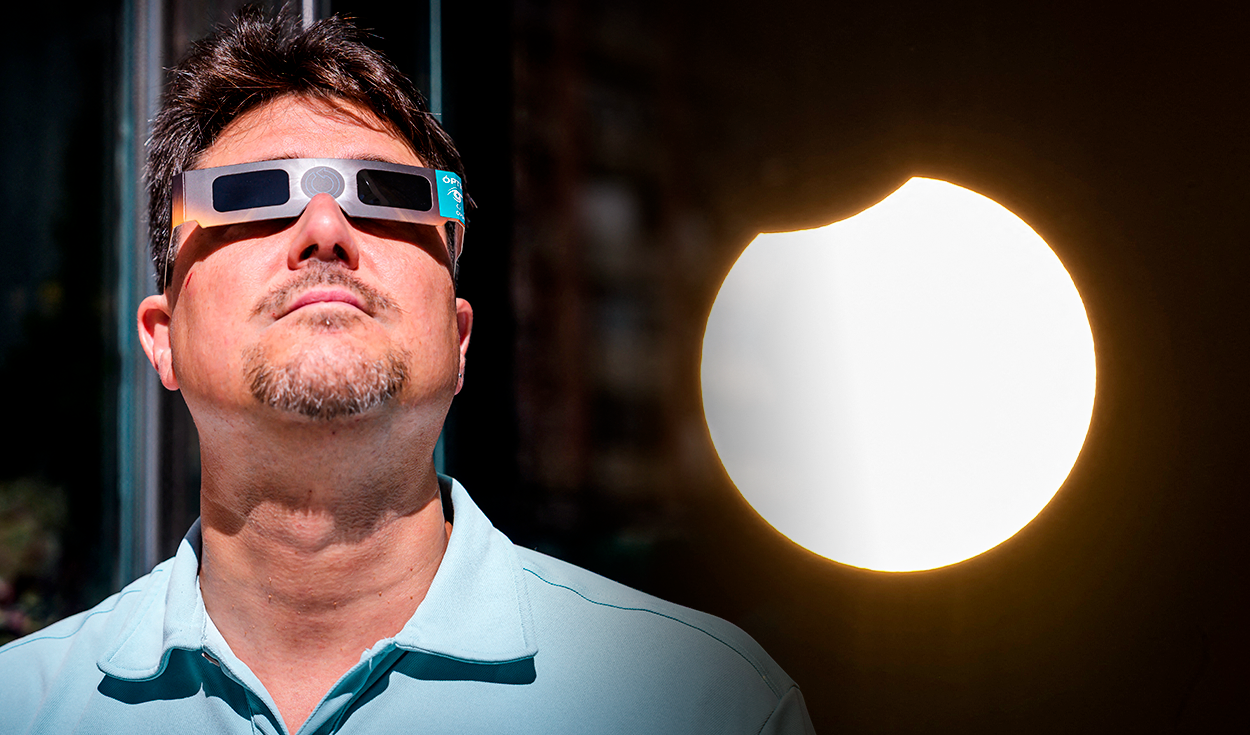
A total solar eclipse will darken Spain on August 12, 2026, spanning from A Coruña to Palma during sunset, according to the National Geographic Institute.
The path of totality will enter the Iberian Peninsula as the sun sets, covering multiple locations across northern and eastern Spain. Beyond Spanish borders, the path of total darkness will cross northern Russia, Greenland, western Iceland, and a small area of Portugal.
A partial eclipse will be visible across broader neighboring regions, including northern North America, most of Europe, and western Africa. Local authorities in Spain are promoting safety guidelines to protect public vision during the observation.
Viewing times and regional schedules in Spain
The astronomical event will begin at 19:30 hours, with peak totality occurring between 20:27 and 20:34 across Spain. According to the National Geographic Institute, totality can be observed across much of the northern half of peninsular Spain and parts of the east. The southern region and the Canary Islands will experience a partial eclipse. The institute advises spectators to seek elevated points facing the western horizon.
Peak eclipse times vary by region across Spain. Cantabria and the Basque Country will reach maximum totality between 20:27 and 20:29, while Galicia will see it between 20:28 and 20:29. Asturias is set for approximately 20:28, while Castile and Leon, La Rioja, and Navarre will experience the peak between 20:29 and 20:31.
In Aragon and the Community of Madrid, peak viewing will occur around 20:30. Extremadura, Castilla-La Mancha, Catalonia, and the Valencian Community will see maximum coverage between 20:31 and 20:33. The Balearic Islands will reach totality between 20:32 and 20:33, while Andalusia and the Region of Murcia will peak between 20:32 and 20:34. In the Canary Islands, the partial eclipse maximum will take place between 19:52 and 19:53 local island time.
Live broadcasts by NASA and ESA
For audiences unable to view the eclipse in person, official live online streams will be available worldwide. The European Space Agency will broadcast live from Javalambre in Teruel through ESA Web TV and YouTube. NASA will also provide live coverage through its official Live streaming platform.
Safety eyewear and viewing recommendations
Spectators watching the partial phases of the eclipse must use solar viewers or protective goggles that comply with the ISO 12312-2 international safety standard. NASA warned that standard sunglasses, regardless of how dark they are, do not provide adequate eye protection. Viewers should check filters for scratches, punctures, or structural damage prior to use.
The American Astronomical Society said an ISO mark on packaging alone does not guarantee that the product has been certified. Using cameras, telescopes, or binoculars requires mounting specialized protective filters in front of their primary lenses. Looking through optical instruments while wearing only personal solar glasses can concentrate solar radiation and cause severe eye injury. Personal eye protection should only be removed during the total eclipse phase when the moon completely covers the sun, and must be put back on immediately at the first glint of sunlight.
Future total solar eclipses in Europe and the Americas
Europe will host another total solar eclipse on August 2, 2027, crossing southern Spain around 10:50 morning local time. That path will encompass Cadiz, Malaga, Ceuta, Melilla, and parts of Granada and Almeria before moving into North Africa and the Middle East. In Egypt, totality will reach a maximum duration of 6 minutes and 23 seconds, according to the National Geographic Institute.
In the Americas, a total solar eclipse will occur on March 30, 2033, crossing northern Alaska, eastern Siberia, and the Bering Strait. Calculations from the NASA Goddard Space Flight Center indicate the total phase will last a maximum of 2 minutes and 37 seconds. Residents in the continental United States will wait until August 23, 2044, for the next total solar eclipse visible from their region.


