

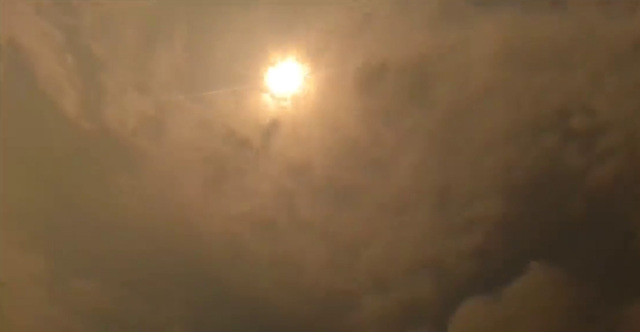
European Space Agency astronaut trainee Adrianos Golemis outlined details of the total solar eclipse crossing continental Europe in a social media post on Wednesday. The 39-year-old doctor also announced that a Greek scientific team will perform spectrographic measurements of the solar corona during the event.
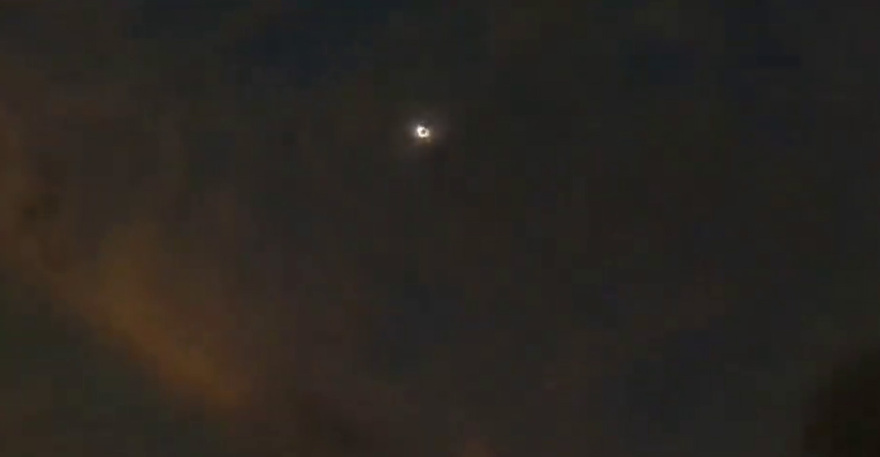
Golemis stated that the event marks the first total solar eclipse to cross continental Europe since 1999. He shared photographs that he captured during the 2024 total solar eclipse to illustrate what observers will see.
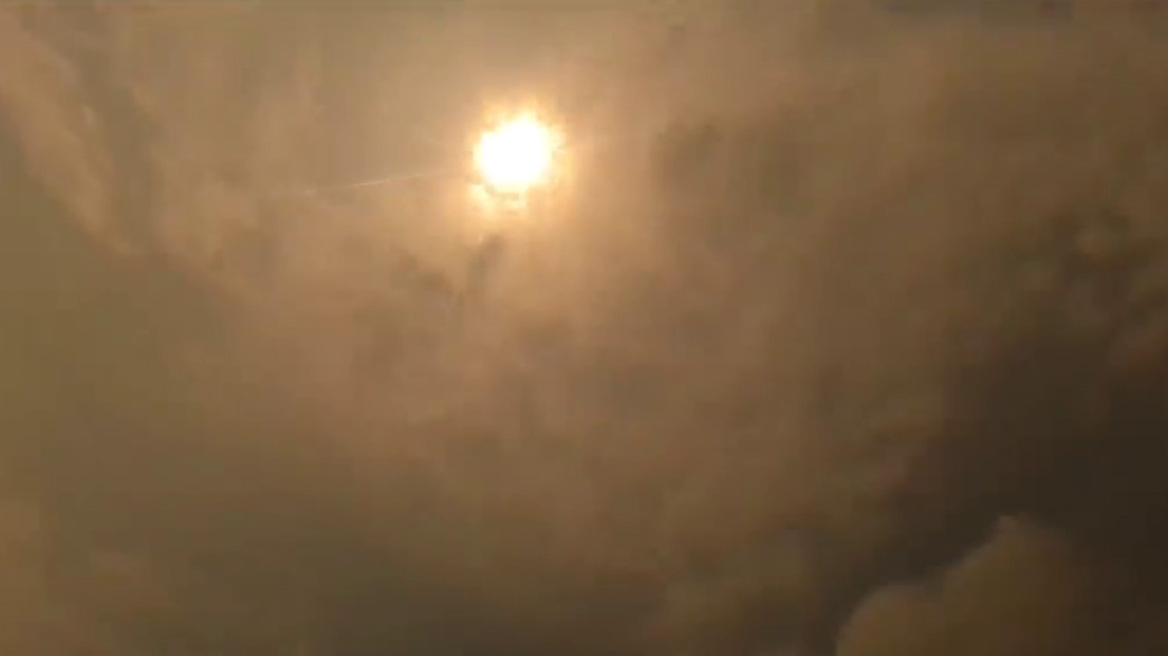
He noted that the material serves as a reminder for people located within the path of totality, which passes through Greenland, Iceland, and Spain. Golemis also reflected on how human perception of major astronomical events has transformed over the centuries.
He wrote that civilizations once viewed eclipses with fear, interpreting the sudden disappearance of the Sun as a divine warning, punishment, or omen of destruction. Today, scientific research allows humanity to understand the Universe, turning the event into an occasion for awe and knowledge.
Golemis added that scientific inquiry brings people together in awe while generating real scientific data from the phenomenon.
Solar Corona Research
A Greek scientific team will carry out observations during the eclipse by performing spectrometry on the solar corona. This work involves analyzing light from the Sun's outer atmosphere, which becomes visible during totality.
Researchers aim to better understand the composition and behavior of the solar corona. Golemis commented that science converts human admiration into data.
He urged observers across Europe, whether in the zone of totality or in areas experiencing a partial eclipse, to look up at the sky. He emphasized that viewers must use special protective glasses to observe the Sun safely.
Partial Eclipse Visibility in Greece
Conditions will be significantly different for viewers in Greece, as the country is far from the path of totality. The Sun will not be fully covered by the Moon anywhere in Greece.
Only certain areas in western and northwestern Greece will witness a small-scale partial eclipse. The phenomenon will be visible for only a few minutes shortly before sunset, leaving a narrow window for observation.
Timetables indicate that the partial eclipse in Greece will begin at approximately 20:30 and conclude around 20:40, depending on the location. Golemis reiterated that proper eclipse glasses are mandatory even for partial viewing.
Astronaut Training and Career
Golemis is a doctor from Larissa and a graduate of Medical School who has developed a career in space medicine. He has served for years on the team monitoring the health of European astronauts.
He is also the first Greek citizen to participate in an official astronaut training program organized by the European Space Agency.


