Stock market analyst Manuel Pinto warned on COPE radio that record Spanish economic growth and Ibex 35 index highs fail to improve household living standards.
Speaking on the program La Linterna with Luis Calabor, Pinto explained that national economic expansion does not automatically increase household purchasing power. He stated that rising population levels drive up housing and food costs, preventing ordinary families from experiencing financial relief.
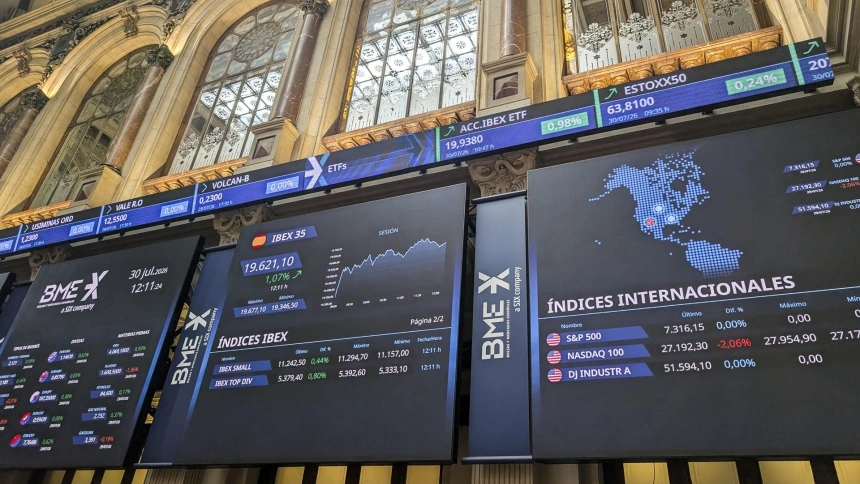
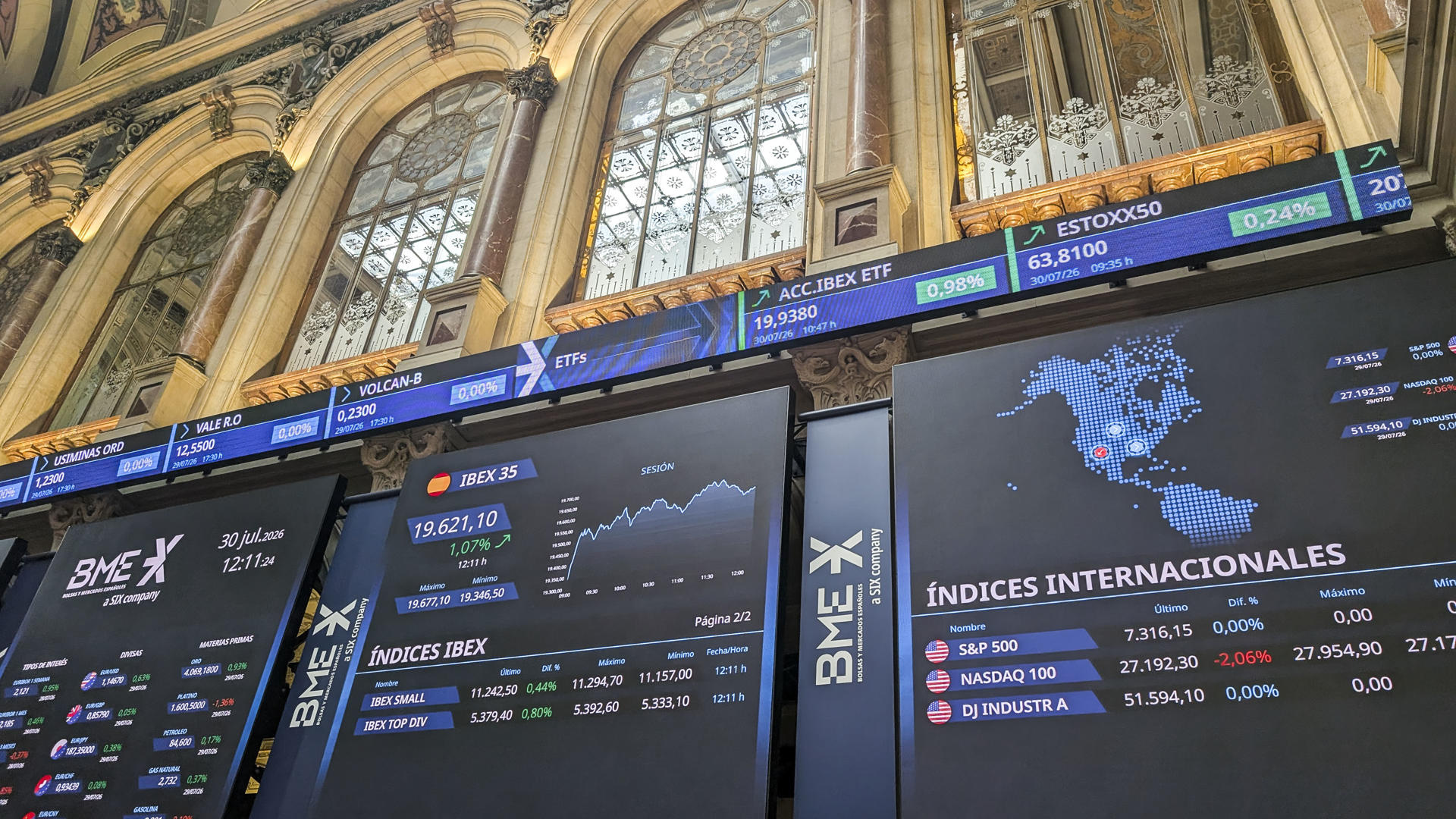
The Ibex 35 stock index continues breaking historical records, propelled by corporate profit growth and investor interest in Spanish equities. Pinto attributed market strength to strong earnings in banking, energy, tourism, and consumer sectors.
Spain currently registers economic growth above most European Union member countries. Pinto noted that international tourism remains a key driver as millions visit Spain following pandemic restrictions and instability in alternative destinations.
Population Growth and Sector Performance
Demographic growth creates positive effects for macroeconomic indicators while presenting negative financial consequences for citizens. Pinto stated that population growth increases demand for housing and food, pushing prices higher across both sectors.
Increased consumer spending boosts gross domestic product and corporate revenue, but elevated inflation reduces family purchasing power. Pinto added that lower energy dependency compared to other European nations helps Spain withstand global market shocks caused by conflicts in Ukraine and the Middle East.
Investments in renewable energy provide additional resilience against international energy market volatility. At the same time, Spanish banks record growing profits driven by expanded economic activity, mortgage volume, and financial product usage. Tourism and transport companies also maintain strong revenue expansion.
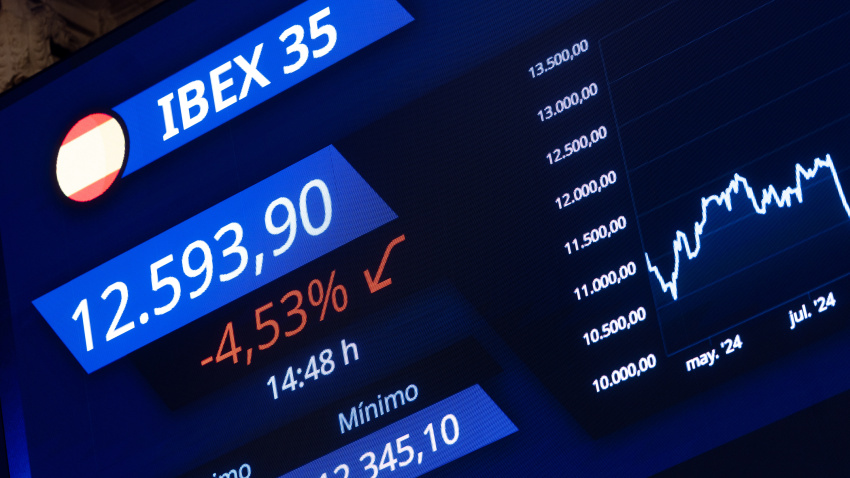
The economic climate previously saw major market shifts, including an event on April 4, 2025, when the Ibex 35 fell 5.8 percent to 12,420 points after United States tariff announcements triggered banking stock losses of up to 12 percent. Prime Minister Pedro Sánchez previously addressed corporate performance during the 16th Spain Investors Day forum in Madrid on January 15, 2026.

Geopolitical Risks and Fuel Cost Disconnect
Despite current stock market momentum, Pinto cautioned that geopolitical risks could shift economic trends. A surge in crude oil prices or renewed international crises could weaken consumption and force central banks to raise interest rates, increasing mortgage payments and reducing disposable income.
Pinto noted that financial markets monitor developments on Wall Street and the performance of major technology companies. Brent crude oil currently trades around 80 dollars per barrel, with potential price moderation if Middle East maritime transit normalizes and crude production increases.
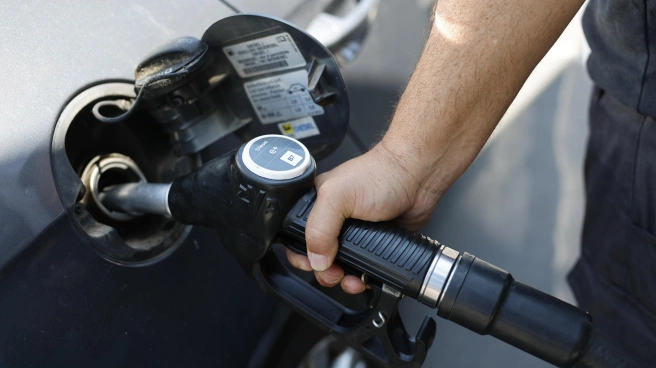
Pinto emphasized that crude oil market prices differ from retail fuel costs paid by drivers at gas stations. Global oil refining capacity remains constrained by international conflicts, preventing crude price drops from immediately reducing gas station prices.
Retail fuel costs could face further upward pressure in September, when diesel prices could increase by 20 euro cents per liter if Spain follows a European Union ultimatum to remove reduced special hydrocarbon taxes. Pinto concluded that the primary economic challenge for Spain is ensuring national growth translates into direct financial benefits for citizens.