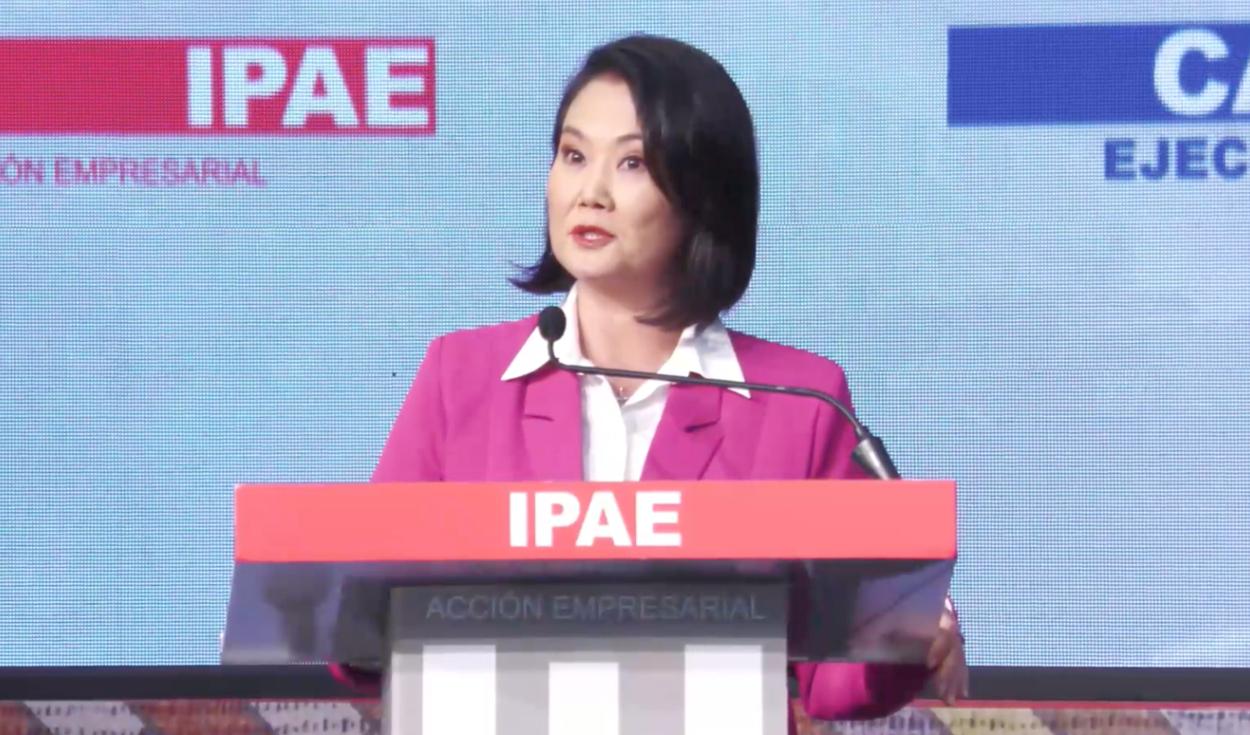
Peruvian President Keiko Fujimori took part on Thursday, November 26, in the signing of the Ninth Addendum to gas distributor Cálidda's concession contract, a deal that will extend natural gas distribution to seven regions in central and southern Peru. The ceremony took place during the CADE Ejecutivos 2026 business summit in Cusco.
The agreement commits $550 million in investment and more than 201,000 residential connections within a maximum period of 114 months, though it was approved only after questions were raised over the economic terms of the expansion and the benefits new localities would actually receive.
Investment and connection targets
Days before the signing, Energy and Mines Minister Guillermo Shinno had signed the resolution authorizing the contractual change. Through it, the government aims to extend the service to 300,000 potential households across 15 localities in Ucayali, Junín, Huancavelica, Ayacucho, Apurímac, Cusco and Puno.
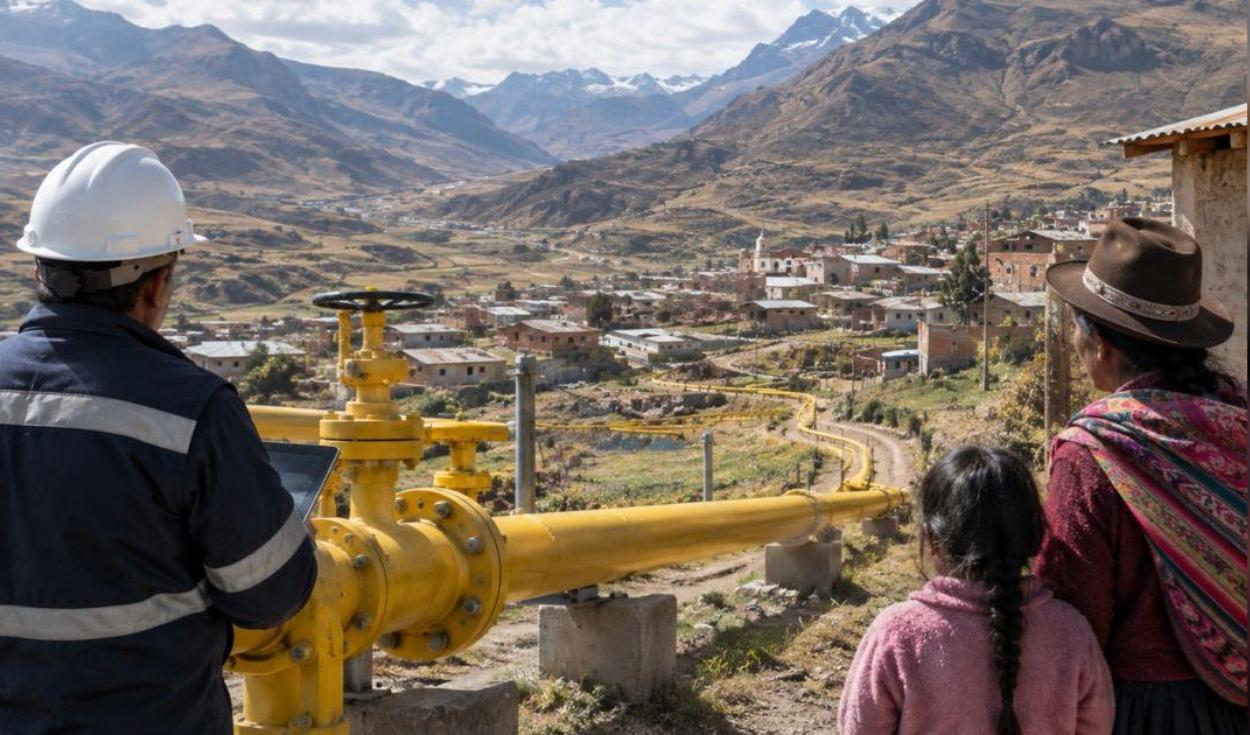
The addendum covers the construction of 3,738.9 kilometers of new distribution networks and an initial commitment of 201,411 residential connections. Cálidda has operated the Lima and Callao gas distribution network since 2002, and its concession, originally due to expire in 2033, will now run until 2043. Supply to the new regions will combine distribution pipelines with truck-based delivery of liquefied natural gas for towns not directly connected to the main network.
Regulator warns of higher tariffs
The proposal drew observations from the energy and mining regulator Osinergmin, which flagged the treatment of the concession's assets and the minimum connection targets, while the Peruvian engineering association CIP Lima called for greater transparency over the project's costs and risks.
Osinergmin warned that extending the concession to 2043 without altering how that asset value is treated could leave more than 1.8 million users in Lima and Callao continuing to pay, through their tariffs, for investments that should have been recovered by the end of the original contract in 2033.
The regulator also noted that the minimum connection targets do not guarantee coverage of all the homes identified in the new operating areas. In Quillabamba, for example, the plan allows for 884 connections against 4,391 households assessed, while in Huamanga the target is 13,555 connections for a total of 44,660 homes.
Cusco governor rejects 'crumbs'
A day before the signing, Verónika Mendoza, the governor-elect of Cusco, asked the government not to sign the addendum under its current conditions, arguing that the planned targets do not match the needs of a region that is home to the Camisea gas fields.
Mendoza said the expansion of gas access was needed now, but that the region could not accept crumbs. Pointing to the Quillabamba figures, she said offering roughly 800 connections there over ten years was, in her words, almost disrespectful.
She added that after 22 years of extracting gas from Camisea, families in Cusco still have not received the benefits they should from the resource. Mendoza argued that expansion cannot rely solely on gas delivered by truck, and must instead include pipelines capable of supplying industry and transport in Cusco and other regions of the Macrosur.
Fujimori defends the agreement
Facing the criticism, Fujimori defended her government's decision during the closing session of CADE 2026. She pushed back against opponents of her administration's measures, saying she had come to the Executive to make decisions.
She said she had not spent 15 years of her life and gone through four election campaigns in order to sit back and do nothing, adding that she had come to make decisions, not to stay with her arms crossed.
Fujimori said that faced with the country's problems, there were only two positions: being part of the solution or part of the problem, and being in favor of change or in favor of things staying the same.
The president said the agreement, covering Cusco, Puno, Apurímac, Ayacucho, Huancavelica, Junín and Ucayali, would allow more than 300,000 potential households to connect, representing access to the resource for more than a million Peruvians. She recalled that the seven regions had waited 14 years for an alternative route to natural gas.
What comes next
Fujimori said the concession expansion marks a first stage, and that the separate SIT Gas project remains active. She announced that the state investment promotion agency Proinversión will take charge of the steps needed to revive that initiative.
Minister Shinno said the Cálidda addendum will not replace the Integrated Gas Transport System, known as SIT Gas, which aims to connect the Camisea fields to southern Peru through pipelines. He described the two projects as complementary rather than mutually exclusive.
The government maintains that both initiatives will move forward in parallel, though questions over who will cover the cost of the expansion and how many families will actually gain access to the service remain central to judging the addendum's real impact.
What happens next
Fujimori said the Cálidda expansion is a first stage, and announced Proinversión will lead efforts to revive the separate SIT Gas pipeline project connecting the Camisea fields to southern Peru.
Test yourself
How much investment does the Cálidda addendum commit?
What did Osinergmin warn could happen under the extended concession?
What did Verónika Mendoza criticize about the plan for Quillabamba?
Have your say
Should Peru have signed the Cálidda gas expansion under its current terms?
Where it happened
Cusco, Peru