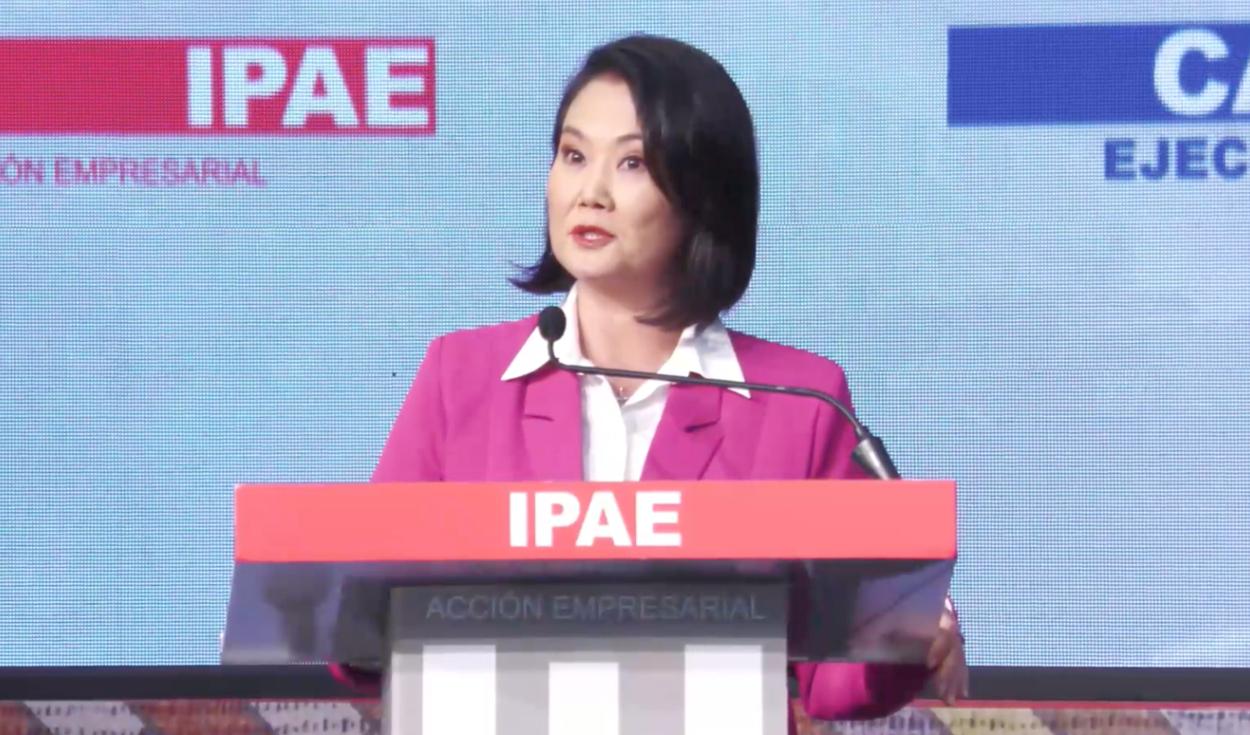
Peruvian President Keiko Fujimori called on Congress to debate and approve the Law of Small-Scale Mining and Artisanal Mining, known as the MAPE law, during her appearance at CADE 2026, the business conference held in Cusco.
Fujimori questioned the results of the country's mining formalization process, noting that the Integral Registry for Mining Formalization, or Reinfo, has been extended five times over the past 14 years without completing the incorporation of informal miners into formal operations.
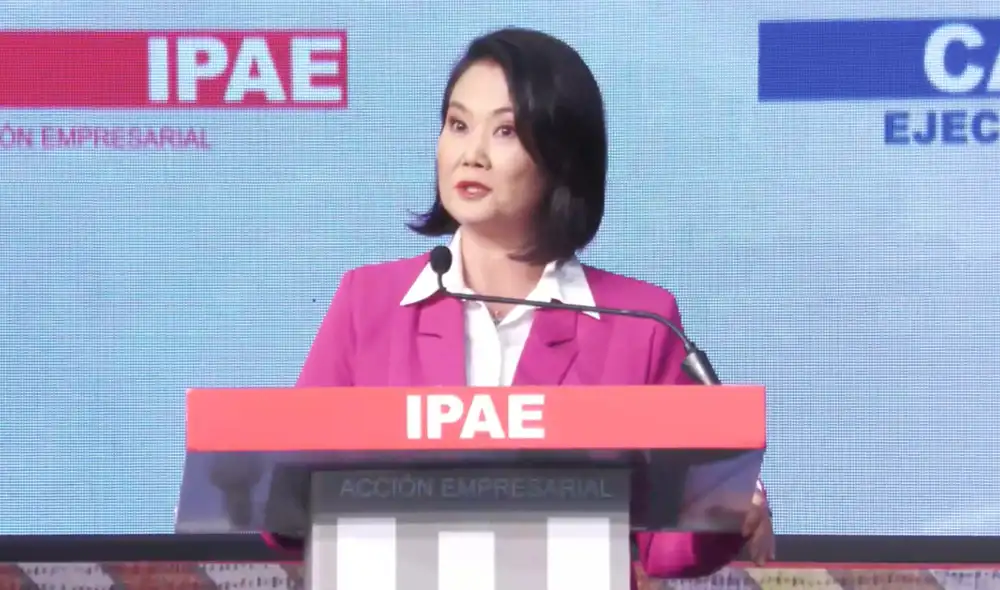
Speaking to representatives of the business sector, Fujimori said that in 14 years the Reinfo had been extended five times, that almost no progress had been made, and that formalization remained pending.
The Reinfo is Peru's special registry created to allow informal small-scale and artisanal miners to keep operating while they complete the steps needed to become formal. It was conceived as a temporary measure but has been renewed repeatedly since its creation.
Based on that assessment, Fujimori asked Parliament to prioritize debate on a new law for small-scale mining producers and artisanal miners. She said that she was now asking lawmakers for that same willingness to debate and approve the law on small-scale mining and artisanal mining, the MAPE law.
Her remarks came as the bill, backed by the Executive branch, awaits progress in the congressional process, amid debate over the future of the registry and the conditions operators must meet to complete their formalization.
What the government's MAPE bill proposes
The MAPE bill was submitted by the Executive to Congress on October 19, 2026, after it was approved by the Council of Ministers. The initiative seeks to establish a permanent legal framework for small-scale and artisanal mining, replacing a formalization process that has depended on successive extensions.
The proposal includes two pathways: an ordinary regime for those seeking to join formal mining activity for the first time, and a consolidation regime for miners already registered in the Reinfo who still have outstanding requirements. Under the consolidation regime, those miners could continue their formalization procedures until June 30, 2028, under conditions set out in the bill.
The bill also proposes creating the National Organism for Strengthening Small-Scale Mining and Artisanal Mining, known by its Spanish acronym FORMAPE, which would be attached to the Ministry of Energy and Mines. FORMAPE would be responsible for accrediting producers and overseeing various procedures linked to formalization.
Under the proposal, the Reinfo would conclude on December 31, 2026, though miners who meet the requirements could continue operating if they are incorporated into the new regime.
Reinfo's expiration and the pending debate in Congress
The discussion over the MAPE bill follows Congress's approval of another extension of the mining formalization process in December 2025. Under Law 32537, the Reinfo's validity was extended until December 31, 2026, or until the new MAPE law and its regulations take effect, whichever occurs first.
Fujimori addresses the private sector
CADE, Peru's largest annual gathering of business executives and public officials, brings together leaders from across the economy each year to discuss policy and the business climate. During her appearance, Fujimori used the platform to address the relationship between the government and private companies.
She told business leaders that the private sector should not be viewed as an adversary of the government, saying that other administrations may have seen it that way but hers did not.
She also said economic growth does not depend solely on what ministers or public officials do, but above all on businesses themselves, telling the audience that the economic engine depends mostly on them rather than on officials.
Fujimori closed her remarks by calling for difficult political decisions and inviting different sectors to take part in the changes she said the country needs.
What happens next
Congress must still debate the MAPE bill; under current law the Reinfo registry is set to expire on December 31, 2026, unless the new law takes effect first, and the proposed consolidation regime would let registered miners continue formalization procedures until June 30, 2028.
Test yourself
What did Keiko Fujimori ask Congress to do at CADE 2026?
According to Fujimori, how many times has the Reinfo registry been extended in 14 years?
When was the MAPE bill submitted to Peru's Congress?
Have your say
Should Peru replace the repeatedly extended Reinfo registry with a permanent mining formalization law?
Where it happened
Cusco, Peru