Peruvian Premier Luis Galarreta is presenting a formal request to the Chamber of Deputies for 120 days of delegated legislative powers in Lima. The proposal aims to give the executive branch emergency authority to pass decree laws addressing regional infrastructure damage, public safety, and economic governance.
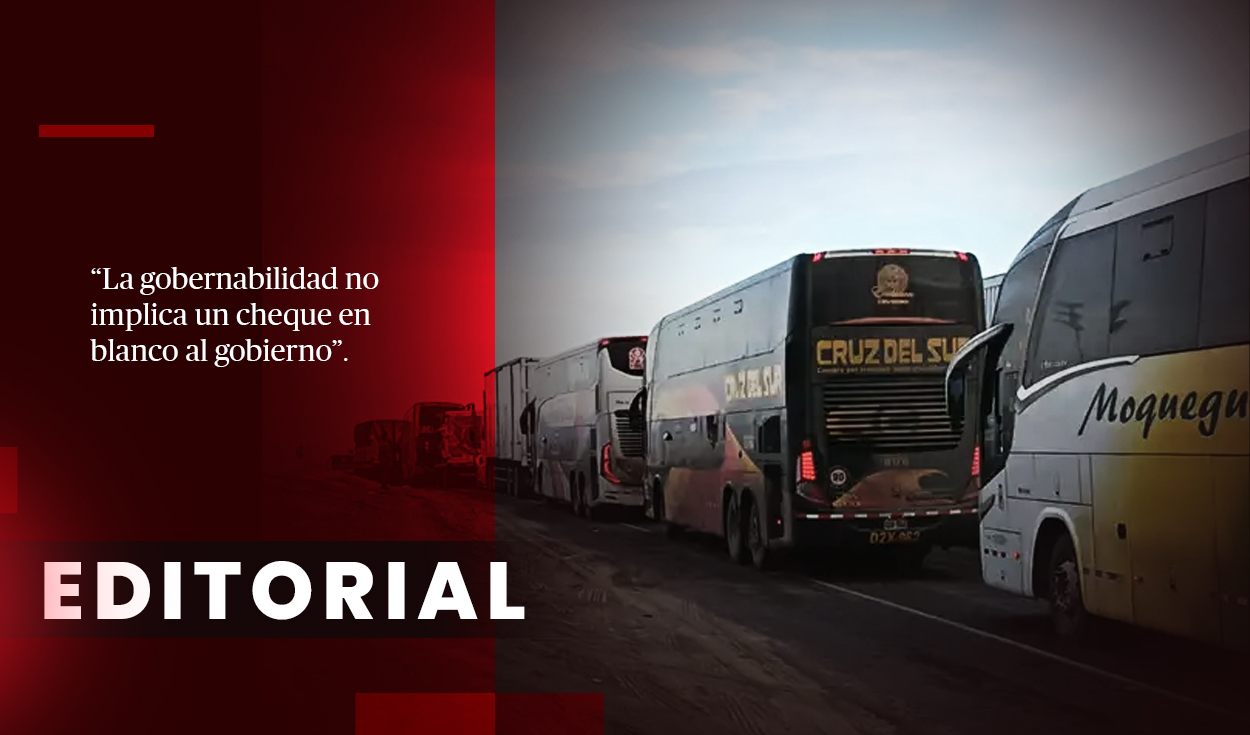
The request comes as severe weather and natural disasters disrupt transport across southern Peru. Flooding, mudslides, and sinkholes have interrupted more than 20 major roadways, leaving local families displaced without shelter and cutting off essential fuel supplies.
In the Arequipa region, a destructive mudslide between Atico and Caravelí has completely blocked the Panamericana Sur, the country's primary coastal highway. Further south, a massive sinkhole opened along the Costanera highway connecting Tacna and Ilo, swallowing a motor vehicle.
According to the latest report issued on August 14 by ENFEN, the national multisectoral body monitoring El Niño, there is a high probability that the climate phenomenon will reach an extraordinary magnitude by the end of the year. The cyclical weather pattern occurs periodically across the Pacific coast of South America, bringing torrential rain and severe flooding. The editorial noted that recurring road collapses are the consequence of decades of public infrastructure built without long-term foresight, creating an urgent need for agile legal tools.
Key Policy Areas
Galarreta is presenting the 120-day request across seven major policy blocks. The executive proposal includes citizen security measures, emergency disaster response for El Niño, and labor flexibility initiatives covering vacation scheduling, overtime rules, and statutory severance funds.
The government package also seeks the elimination of caps on commercial bank interest rates and the merger of state administrative agencies, including tax authority Sunat and labor inspection agency Sunafil, alongside efficient management of public holidays. In Peru, statutory severance, known as Compensation for Time of Service, functions as a mandatory reserve fund for workers, while Sunat collects revenue and Sunafil enforces labor standards.
Legislative Responsibilities
Deputies from the ruling party and the opposition Consenso por la Democracia caucus face the primary responsibility of their first legislative week as debate opens in parliament. The editorial emphasized that lawmakers must conduct a technical discussion representing regional interests rather than focusing solely on the capital city of Lima.
Lawmakers have an opportunity to demonstrate that the Chamber of Deputies can legislate with a vision of state that serves the entire country beyond partisan interests. A debate grounded in technical criteria and territorial representation is required to address the immediate needs of flood victims and isolated southern communities.