Gabriel Escarrer, chief executive of Meliá Hotels International, rejected border checks imposed on travelers between Spain and Italy on Sunday, calling it heartbreaking that ideological differences had led to a situation that will leave the Balearic Islands especially harmed.
In a social media post, Escarrer said it felt heartbreaking that minor political or ideological friction with a sister country, friend and European Union partner like Italy would lead to obstacles being placed on travelers from that beautiful country.
Italy is Spain's fourth-largest tourism market
Escarrer noted that Italy is Spain's fourth most important source of visitors, sending more than 5.4 million tourists a year. He warned that Catalonia, Andalusia and the Balearic Islands would be the destinations hit hardest by the measure.
He said the tourism industry contributes directly almost 14% of Spain's gross domestic product, and that a decision like this one in the middle of high season left him without words.
Origins of the border dispute
The Spanish government urged Italy last Friday to reverse the border controls it had imposed on Spanish travelers following the migration crisis in Ceuta on July 30. Giorgia Meloni's government kept its measure in place, saying it would continue until August 15.
Faced with Italy's refusal, the Spanish executive decided to temporarily reinstate controls at internal borders in ports and airports for travelers arriving from Italy, citing migratory pressure on the central Mediterranean route.
How the checks are being applied
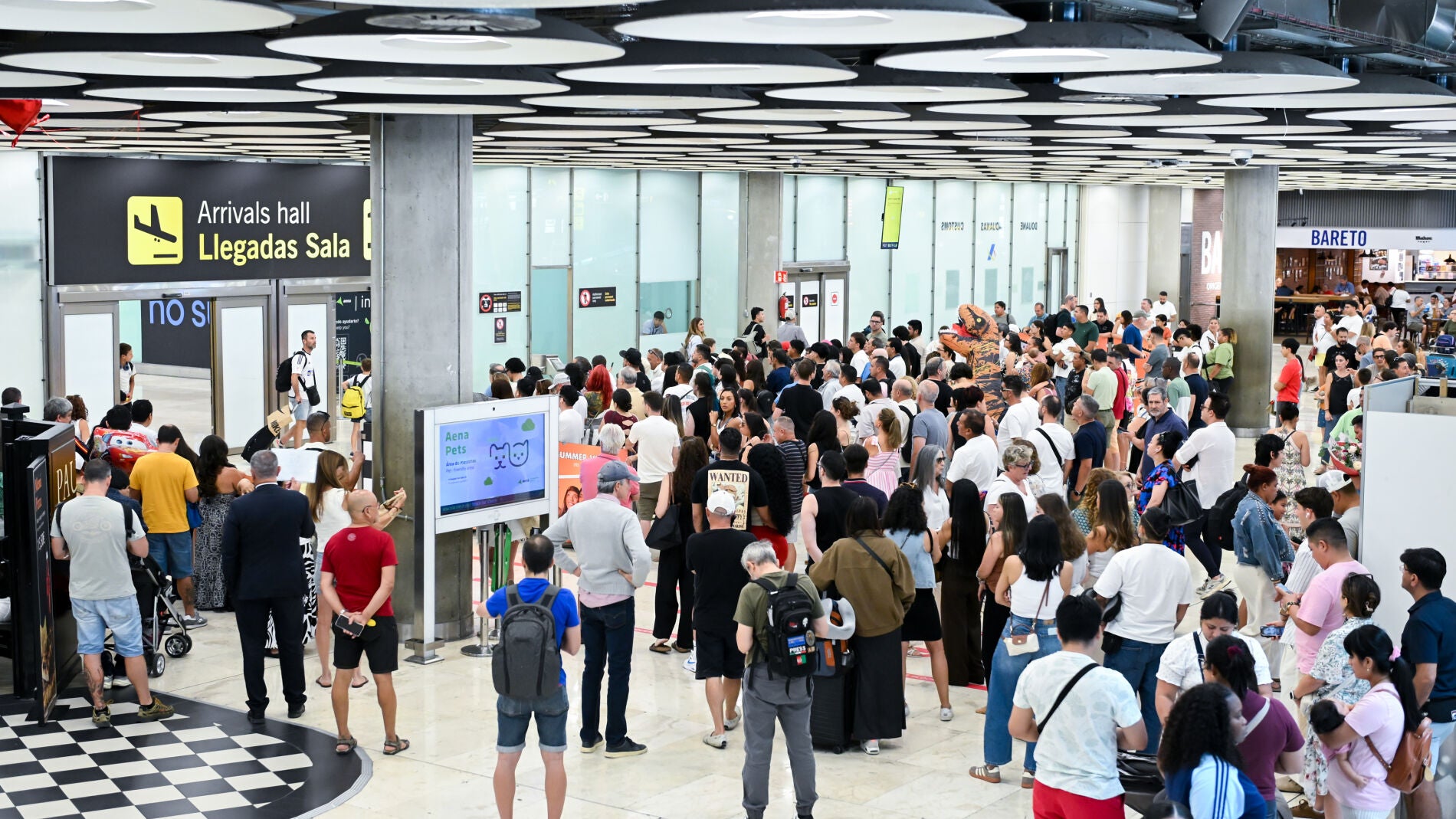
The border controls began on Saturday at Spanish airports and ports. They apply to passenger flights whose last departure airport before arrival in Spain is located in Italy, as well as to ships, ferries and other maritime passenger transport services originating from Italian ports.
The Spanish government plans to maintain the measure until September 7.