

Spain has reintroduced border controls on flights and ships arriving from Italy after Rome suspended Schengen rules over a migration crisis in Ceuta. The decision marks a sharp escalation in tensions between Spanish Prime Minister Pedro Sánchez and Italian Prime Minister Giorgia Meloni.
The Spanish Ministry of Interior announced late on Friday that passport and visa checks will apply at airports and ports to passengers coming from Italy. The temporary measures take effect at midnight local time, or 01:00 Greek time, and will remain in place until September 7.
Madrid instituted the checks in response to Italy suspending the Schengen Treaty for arrivals from Spain last week. Spanish officials said the controls apply to Italian citizens and travellers from other countries arriving via Italy due to ongoing migratory pressure faced by Italy.
Ultimatum and Retaliatory Measures
Tensions rose on Friday when Spain demanded that Italy immediately lift its border checks, giving Rome until Sunday, August 9. Spanish officials warned that Madrid would take proportional measures if Italy refused to revoke its restrictions.
Italy rejected the demand, stating it would not accept ultimatums or impositions from Madrid. Italian officials declared that their border controls will remain in place until at least August 15, noting that Spain expects a new wave of migration in Ceuta on that date. Rome added that the measures will not be reviewed until security and terrorism risks are ruled out.
Rome noted that Spanish citizens are exempt from extra checks upon arrival in Italy, as Italian controls target only non EU residents. However, the newspaper El País reported long queues and extended waiting times at several arrival points in recent days, where passengers arriving from Spain were directed to a dedicated inspection line.
Mass Crossings in Ceuta
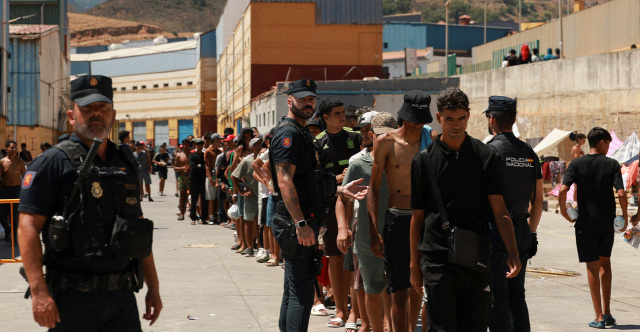
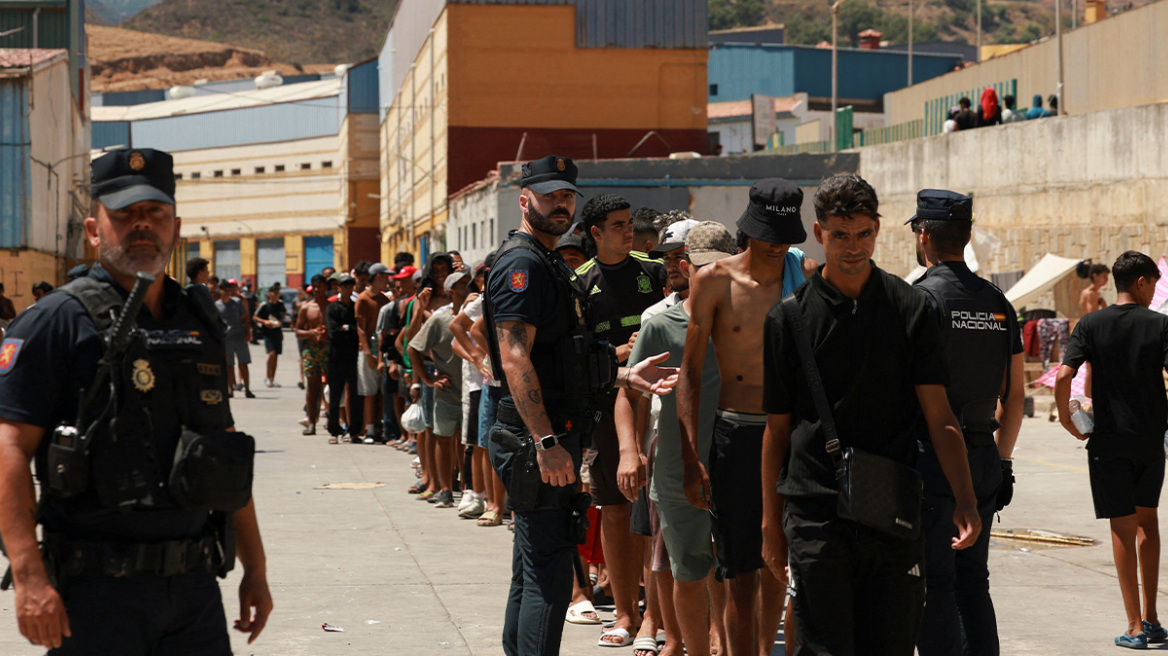
The diplomatic dispute follows a sudden influx of migrants into the Spanish territory of Ceuta. About 78,000 migrants crossed into Ceuta over two days last Thursday and Friday. The arrivals included Moroccans and people from sub-Saharan African countries.
Authorities have removed the vast majority of the migrants from Ceuta. Almost 1,400 minors remain in the territory, including very young boys and girls. About 100 people lost their lives during the crossings.
Questions remain over why tens of thousands of people attempted the crossing simultaneously. European Commissioner for Migration Magnus Brunner suggested that criminal networks spreading disinformation were responsible, an assessment shared by the Spanish government.
Legal Rulings and European Reactions
The mass crossings occurred after a ruling by the Supreme Court of Spain. The court decided that migrants arrested at sea while attempting to reach Ceuta or Melilla cannot be immediately returned to Morocco.
Morocco blamed the Spanish judicial decision for triggering the crisis. An anonymous Moroccan government source told local media that the deterrent element of the system collapsed and the dam broke under the weight of a judge's decision rather than criminal pressure. It also remains unclear why Moroccan border guards did not attempt to stop the migrants.
The dispute has produced mixed reactions across Europe. Finland and Denmark expressed support for Italy's suspension of Schengen rules. Meanwhile, the Czech Republic called for the temporary suspension of Spain's membership in the European Union.


