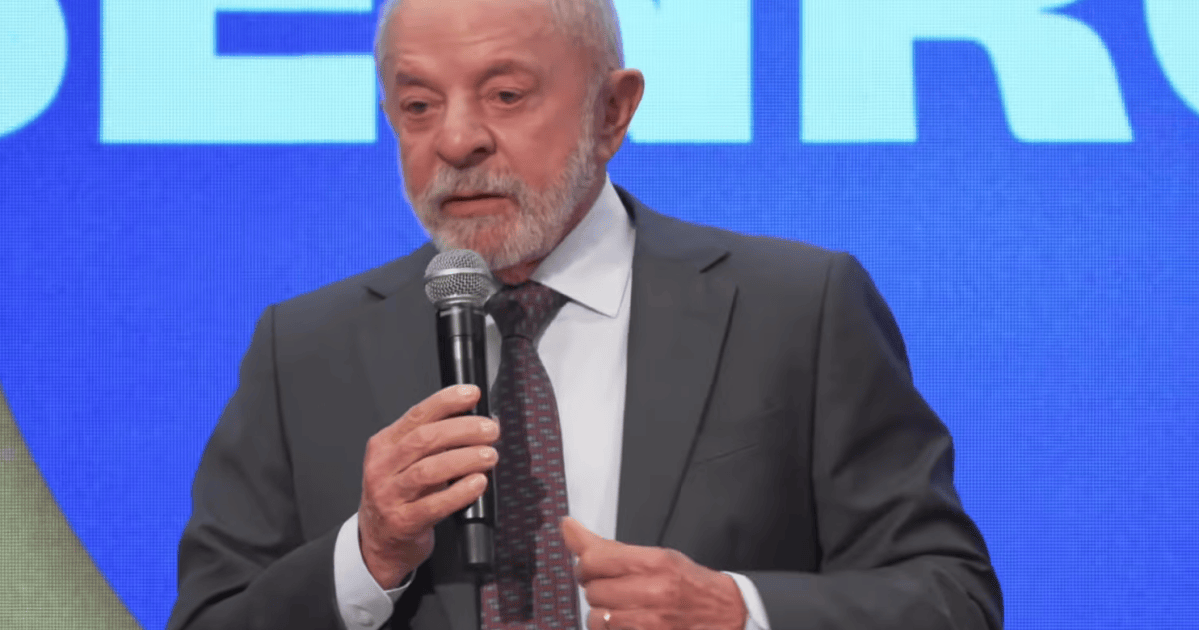
Brazilian President Luiz Inacio Lula da Silva has banned online betting sites and virtual casinos by provisional measure, moving political wear and tear to Congress.
The strategy also shifts friction to the courts, according to CNN political analyst Clarissa Oliveira on Live CNN. Oliveira said the presidential decree allows the federal government to impose immediate restrictions while deflecting the controversy of the dispute onto other institutions.
Sources consulted by the network assess that the government will succeed in maintaining the gambling ban over the medium and long term, Oliveira reported. However, she said the chosen instrument carries major political implications.
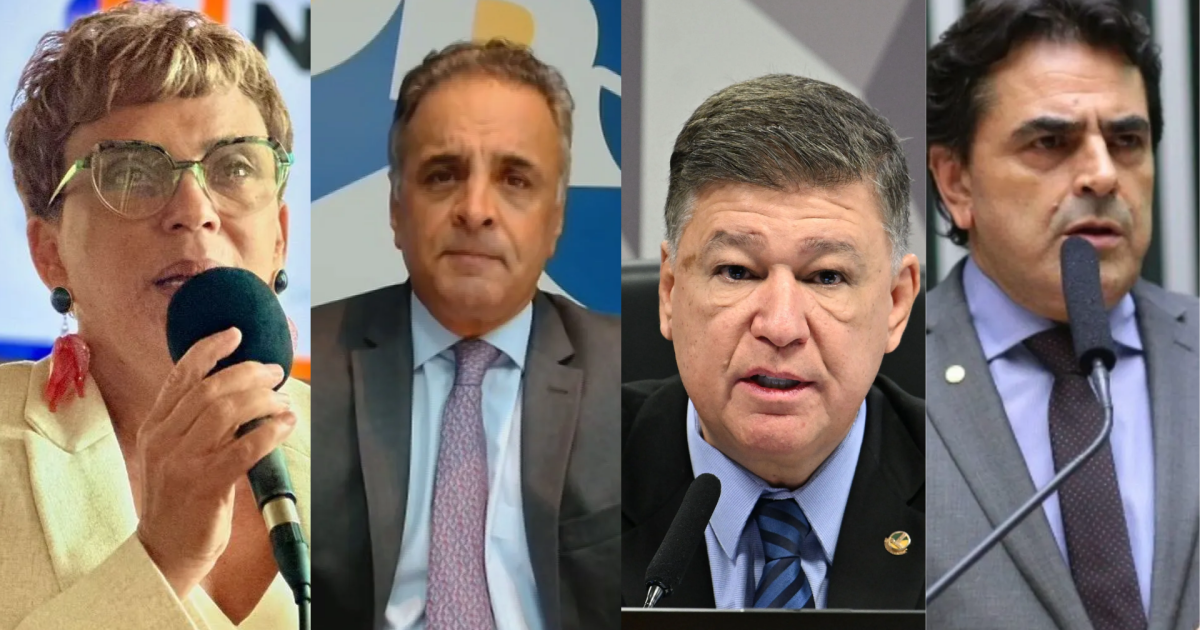
Oliveira said the federal administration is passing much of the fallout to the judiciary, where officials already anticipate a legal offensive, and especially to the National Congress.
Election timing and legal challenges
Known in Brazil as a medida provisoria, a provisional measure is an executive decree that takes effect immediately upon publication. It requires approval by both the Chamber of Deputies and the Federal Senate within a strict constitutional timeframe, or it loses validity.
The congressional voting deadline expires only after the upcoming elections, meaning nothing will change regarding the terms of the decree in the short term.
Oliveira said the restrictions will take effect and Lula will reap the rewards at the ballot box. She explained that the entire process could stretch for about four months, pushing the final decision into the term of a new government.
Online sports wagering platforms, known in Brazil as bets, and digital casinos have expanded rapidly across the country. The industry has become a major sponsor of Brazilian football clubs, while drawing scrutiny over household debt and gambling addiction.
Congressional options and industry pressure
Congress faces several options when reviewing the measure. Oliveira pointed out that lawmakers could make significant changes to the text, offering concessions and offsets to affected sectors, such as betting firms and football clubs, with an accompanying fiscal impact.
Lawmakers could alternatively introduce a bill to replace the measure. Senate President Davi Alcolumbre of Uniao Brasil, representing Amapa, and Chamber of Deputies President Hugo Motta of Republicanos, representing Paraiba, have aligned with the government during this election phase. That relationship favors a replacement bill if Lula, of the Workers Party, wins reelection.
Oliveira added that if lobbying pressure from the betting industry begins to hurt the government, the administration has already established its narrative. Officials can argue that Lula wanted to shut down betting and Congress blocked the effort.
If the election brings a different winner, the political burden would pass to the incoming government, which would inherit the responsibility of resolving the issue.