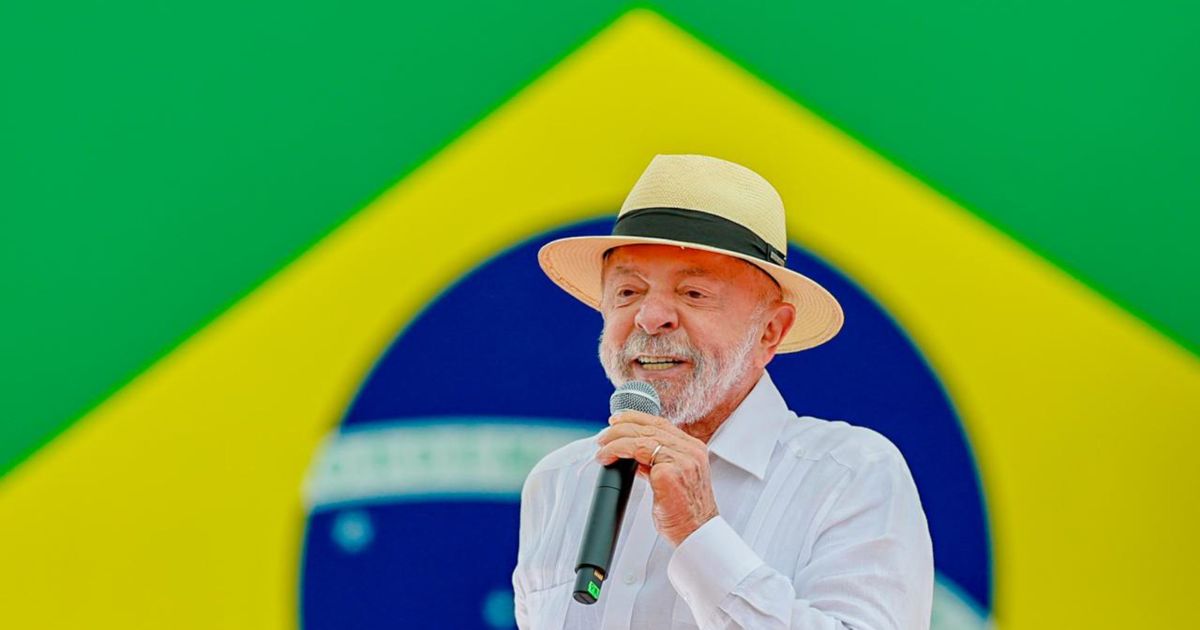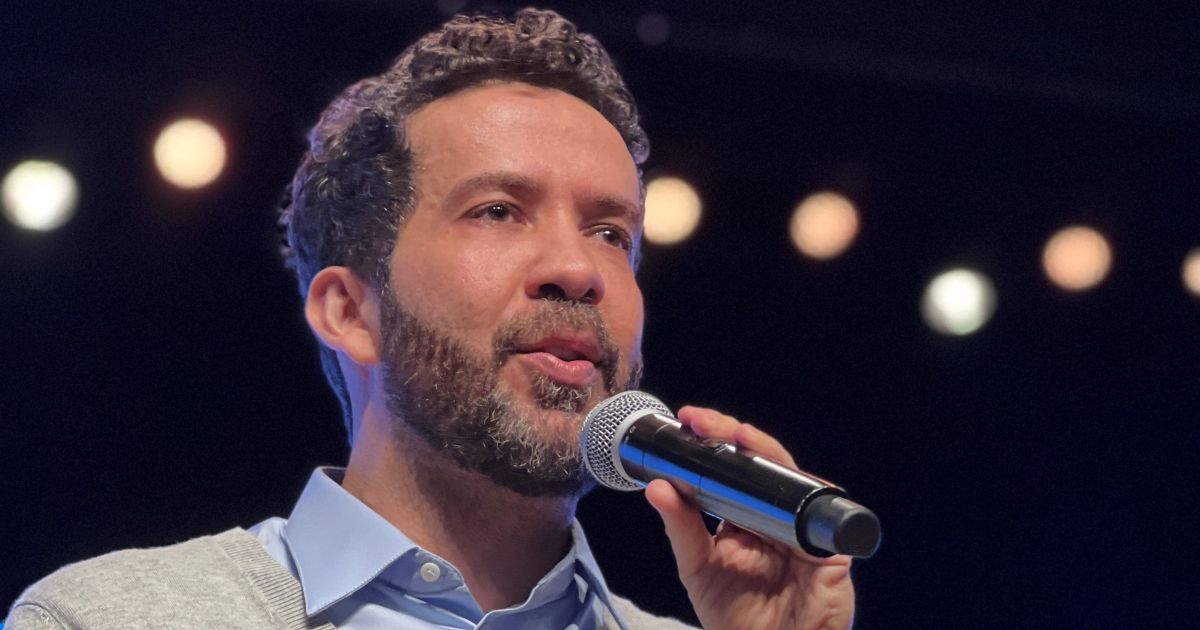

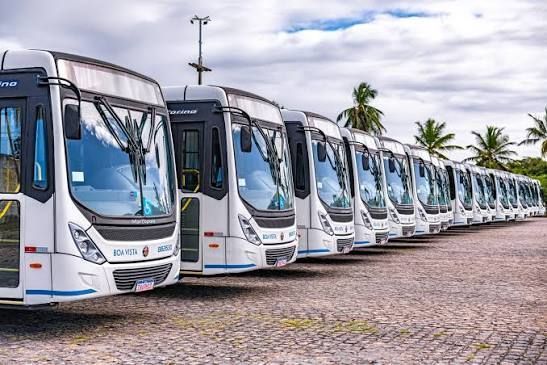
President Luiz Inácio Lula da Silva's government has sent a constitutional amendment proposal to Brazil's National Congress to establish free public transport on weekends and holidays nationwide.
The executive branch submitted the measure from the Planalto Palace in October, reviving a congressional debate over zero-fare urban transit that has stalled since at least 2021. The proposal aims to expand leisure opportunities for workers on their days off after the approval of the end of Brazil's 6x1 work schedule.
Under Brazilian labour rules, the 6x1 schedule required employees to work six consecutive days for every single rest day. According to the federal government, offering free public transit on weekends and public holidays would cost an estimated R$ 12 billion, funded by allocating 26.8% of the R$ 44.8 billion reserved for mandatory parliamentary budget amendments.
A survey by CNN found that 11 other proposals similar to the government's weekend free-fare measure are already pending in Congress, though the broader debate has never advanced in Parliament.
Mandatory parliamentary amendments and fiscal rules
In its submission to lawmakers, the Planalto Palace, the official workplace of the Brazilian president in Brasília, stated that the free transit measure is compatible with fiscal balance. The executive branch argued that the plan does not increase primary public expenditure or affect the primary fiscal balance target because it redirects money from within the constitutional pool of mandatory parliamentary amendments.
Mandatory parliamentary amendments are federal budget allocations introduced by members of the National Congress that the executive branch is constitutionally required to execute. Because the measure alters constitutional budget rules, the government submitted it as a Constitutional Amendment Proposal, or PEC, which requires three-fifths approval across two rounds of voting in both the Chamber of Deputies and the Federal Senate.
As CNN reported, although Lula has pointed to parliamentary amendment funds as the way to finance the programme, specialists classify that funding strategy as fragile.
Previous free transit bills in the National Congress
According to the CNN survey, most of the 11 existing congressional proposals that resemble the government's weekend free-fare plan were introduced by lawmakers from three left-wing parties in Lula's governing coalition: the Workers' Party, the Communist Party of Brazil and the Socialism and Freedom Party.
Other, older bills introduced in the Chamber of Deputies, the lower house of Brazil's bicameral federal legislature, also address free public transport but apply only to specific groups. Those proposals cover low-income passengers, municipalities hit by natural disasters, and temporary free fares for unemployed workers, and were excluded from the CNN survey because they do not resemble Lula's proposal.
Lawmakers first debated zero-fare transit through an amendment introduced by federal deputy Jilmar Tatto, a Workers' Party representative from the state of São Paulo who previously served as the city of São Paulo's municipal transport secretary. Tatto sought to include free public transport in the Legal Framework for Public Transport, a bill introduced in 2021 and signed into law in 2026, but the legislation advanced without the zero-fare provision.
Differences between the federal proposal and existing transport laws
The constitutional amendment sent by the Presidency differs from both the Urban Mobility Law, signed into law in 2012, and the 2026 Legal Framework for Urban Collective Public Transport. While those earlier laws created the general legal structure and financing rules allowing states and municipalities to apply zero fares on their own, the presidential proposal is a direct federal budgetary action with a specific scope.
Both the 2012 Urban Mobility Law and the 2026 framework serve as general structural legislation defining sector rules such as contracts, regulation, mobility guidelines and accessibility. They authorise local governments to adopt subsidies and seek alternative funding sources, but they do not mandate immediate national free transit or establish direct, continuous federal funds from the Union.
By contrast, the Planalto Palace proposal directly establishes free public transport on weekends and holidays nationwide and binds federal funds from mandatory parliamentary amendments to finance the programme.
Free public transport in Brazilian cities
According to the organisation Tarifa Zero, more than 100 municipalities in Brazil already offer universal free public transport to their populations.
Several major Brazilian cities have also implemented partial free fares on specific days. São Paulo, the country's largest city, and Brasília, the federal capital in the Federal District, both provide free public transport on Sundays and public holidays.
Palmas, the capital of the northern state of Tocantins, offers free fares on both days of the weekend. In Curitiba, the capital of the southern state of Paraná, there is not yet free transport, but fares are reduced by 50% on Sundays and holidays.
Phased rollout plan and proposed national transport fund
Financing remains the main obstacle to the proposal. Under the Brazilian Constitution, public transport is the responsibility of municipalities, and many cities already use public treasury subsidies to fund collective transit even while charging passenger fares, meaning free weekend travel would require those public contributions to increase.
Jilmar Tatto, described as the biggest enthusiast and specialist on the subject within the Workers' Party, has detailed that the measure would be implemented in stages. Under that plan, free transit would begin on Sundays, advance to unemployed people and night-shift workers, and finally reach total zero-fare transport at an estimated cost of approximately R$ 16 billion.
A change in municipal contracts with bus companies is also being proposed, replacing payment per passenger carried with payment per kilometre driven. Regarding financing, no final solution has been settled, but people familiar with the proposal are studying the creation of a national fund modelled on Brazil's Unified Health System, the public universal healthcare network known as SUS, to transfer resources to municipal governments.