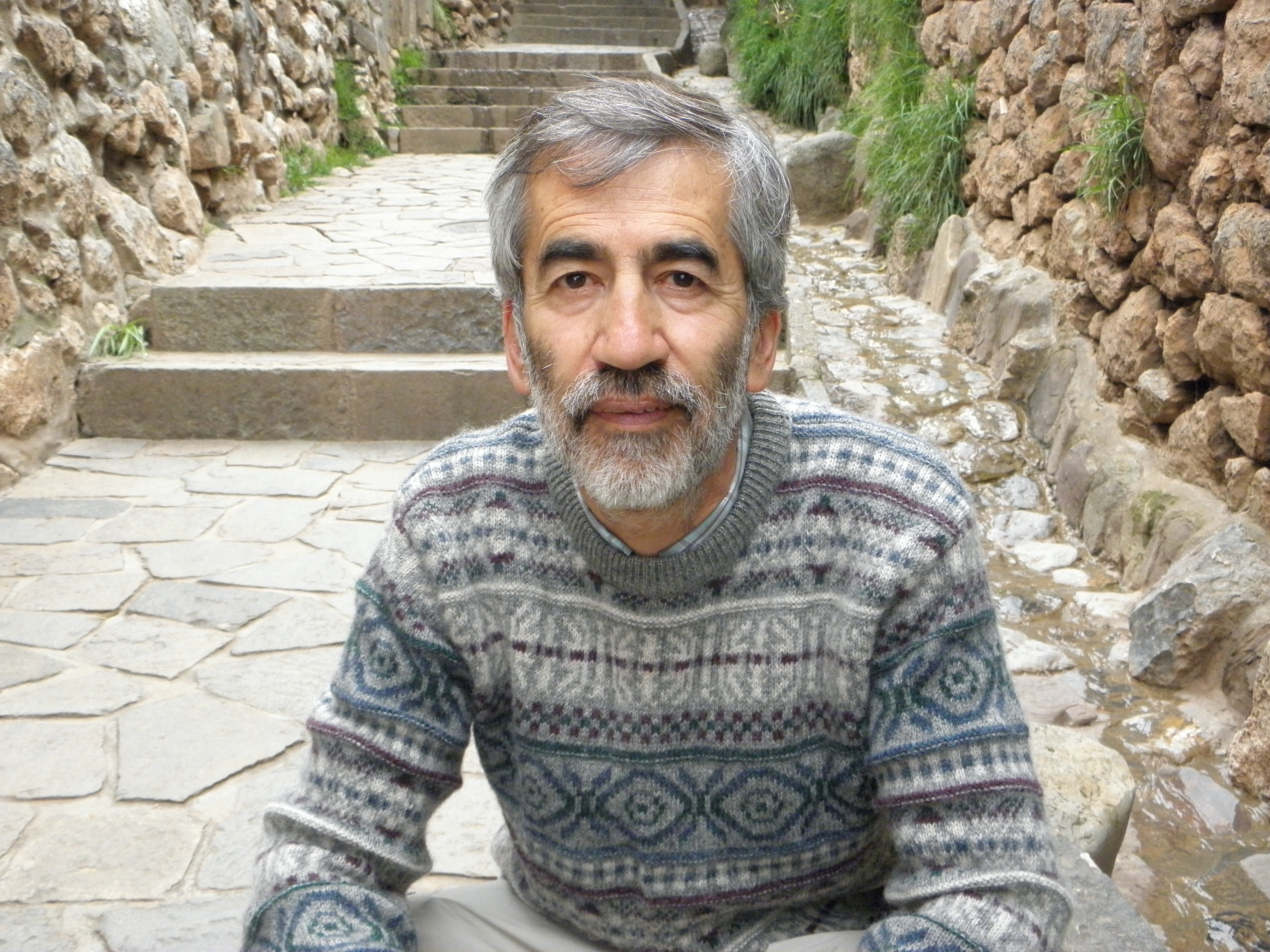
Peruvian author Luis Nieto Degregori has published a new book examining the cultural history of sexuality in Peru.
The work, titled Historia de la sexualidad en el Perú and published by Editorial Grandifer for 69 soles, traces sexual practices, gender roles, and social attitudes from ancient indigenous civilizations to 21st-century digital networks.
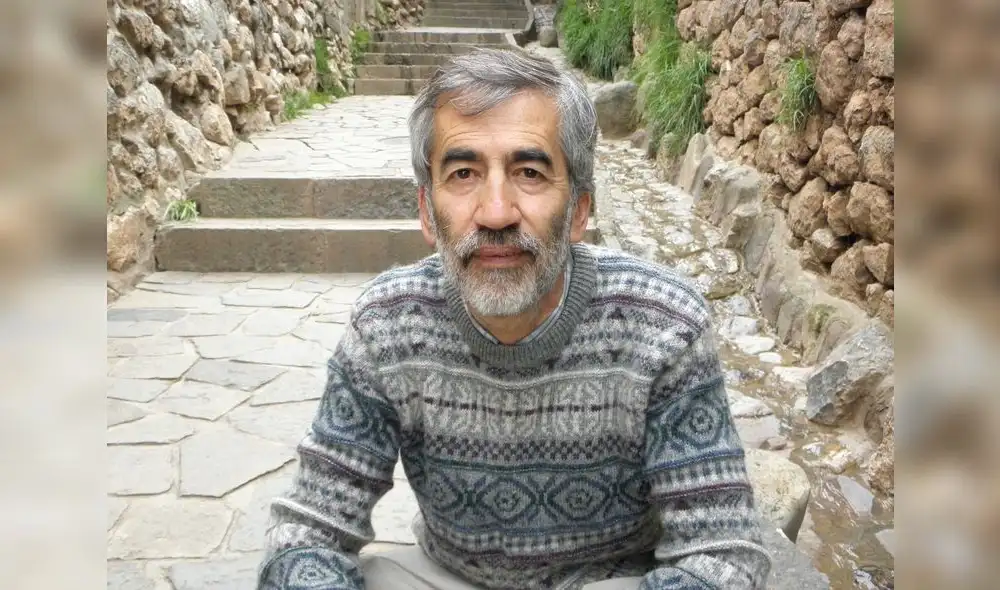
Nieto Degregori, recognized as a prominent contemporary Peruvian storyteller, outlined his findings in an interview with Gabriel Ruiz Ortega for La República, explaining how sexual dynamics and women have shaped the national cultural imaginary.
Ancient practices and indigenous societies
Nieto Degregori stated that historical studies regarding Peruvian sexuality remain scarce, particularly concerning rural indigenous populations. He attributed this silence to patriarchal perspectives and historical prejudices, referencing historian Pablo Macera's past assertion that colonial homosexuality was limited to Black slaves. Nieto Degregori noted that society struggles to examine past realities that present uncomfortable reflections.
Research indicates that sexuality in pre-Columbian Peru differed substantially from later colonial concepts. While generalizations remain difficult due to the diverse civilizations across the region, Nieto Degregori highlighted evidence of sexual equality and complementary negotiation, known as yanantin, between common men and women.
Power structures varied across eras. During the final period of the Inca Empire, Tahuantinsuyo, Inca rulers maintained access to hundreds of women and produced thousands of descendants.
Ancient Peruvian sexuality operated more naturally without the moral constraints later introduced by Catholicism, such as concepts of sin and strict controls over the female body. Documents from colonial campaigns against idolatry show that youth sexual initiation was connected to agricultural and livestock fertility rituals that concluded with sexual encounters between young women and men.
Colonial conquest and female oppression
Following the Spanish conquest, women in the region faced a triple system of oppression. They were subjected to patriarchal control enforced by the Catholic Church, sexual violence from Spanish soldiers and settlers, and racial domination that made their bodies accessible to men of dominant status. Nieto Degregori noted that women likely missed their previous social status and subsequently took a central role in fighting for sexual autonomy.
Citing research by María Emma Mannarelli, Nieto Degregori explained that public authorities in Peru permitted and guaranteed male domination over women within domestic spaces. This authority allowed men to abuse indigenous, mestiza, Black, and mulatta domestic workers. He stated that this domestic abuse began during the conquest, intensified during the republic, and persists today.
Spanish chroniclers, including Pedro Cieza de León, recorded shock at indigenous practices, particularly that female virginity was not valued and premarital relationships were considered normal. However, Nieto Degregori stressed that Spanish settlers simultaneously normalized sexual abuse against native women. He advised analyzing historical chronicles cautiously, as chroniclers were influenced by personal prejudices and sought to legitimize European rule by attributing false sins to indigenous populations.
Ritual roles and erotic ceramics
Addressing historical non-binary identities, Nieto Degregori discussed evidence of a third sex in ancient Andean societies. In certain temples, men dressed as women and mimicked female behavior. Men speaking as women also participated in agricultural rituals to help maintain balance between genders through ritual negotiation.
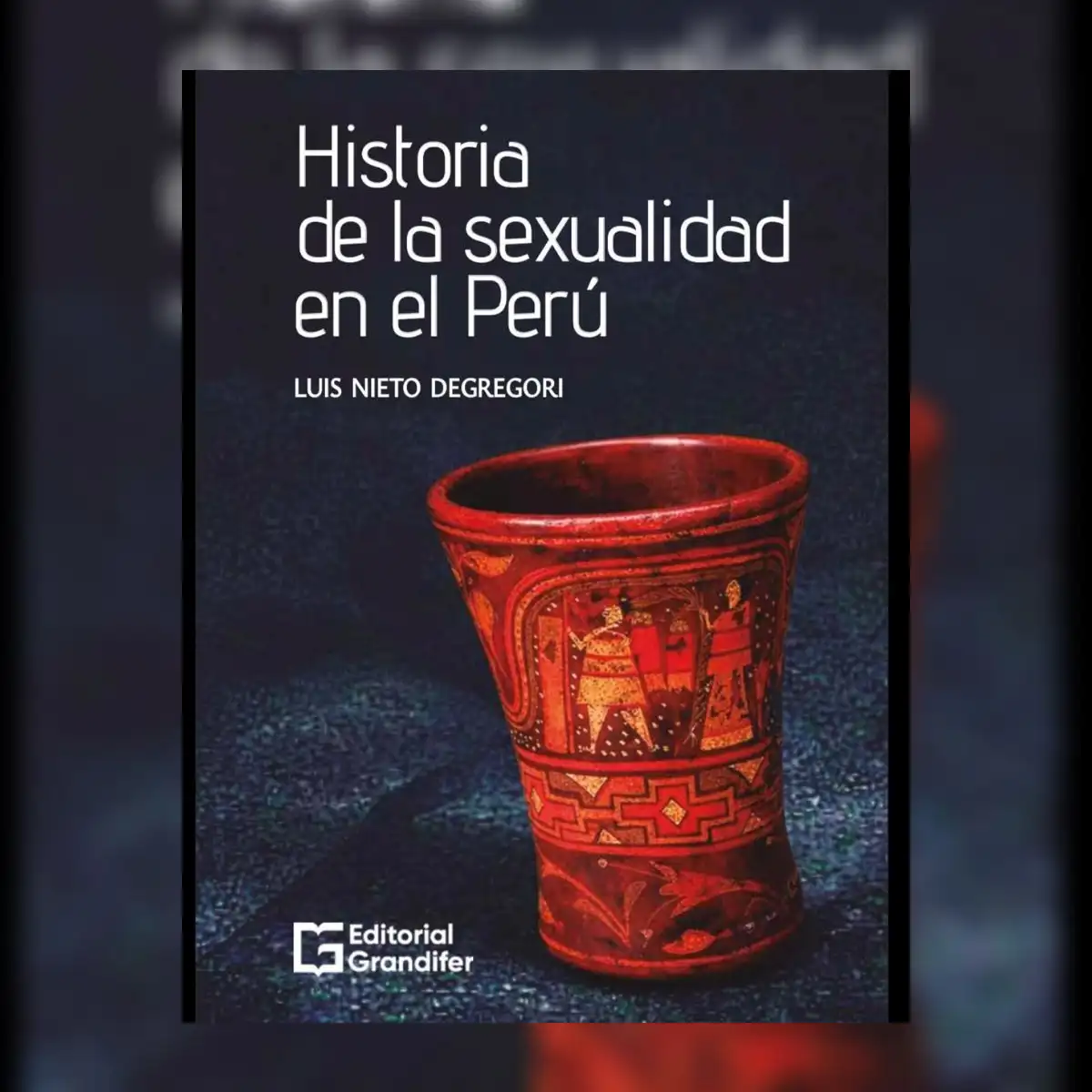
Regarding Moche culture erotic ceramics, known as huacos eróticos, Nieto Degregori rejected superficial interpretations that view the artifacts as an Andean Kama Sutra or catalog of sexual positions. Citing anthropologist Jürgen Golte, he explained that Moche sexuality was tied to fertility and cosmology. Depictions of anal coitus represented ritual offerings of semen to the underworld of the dead, which was considered deficient in masculinity due to its association with the feminine.
Colonial escape valves and independence era
Severe Catholic repression led colonial men and women to seek hidden outlets for pleasure and protection against domestic violence. Women frequently consulted female sorceresses, asking them to calm abusive partners and provide sexual pleasure, with one woman recorded asking for a partner who would turn in bed as many times as roof beams.
Religious life also contained hidden erotic elements. Pious women known as beatas balanced prayer with eroticized relationships with divinity. Nieto Degregori cited Ángela Carranza, a prominent figure in colonial Lima who asked a young servant to remove a flea from her buttocks. Additionally, priests in convents solicited nuns during confession to reveal private body parts.
The Peruvian independence war period brought temporary sexual liberation, exemplified by Rosa Campusano and Manuela Sáenz, both born in neighboring Ecuador. Sáenz participated in military and political activities alongside Simón Bolívar and challenged social norms through letters and diaries. Nieto Degregori described Sáenz as a precursor to female emancipation who wrote candidly about her sexuality and its role in her relationship with Bolívar.
Racial inequality and modern social media
Systemic sexual violence throughout Peruvian history has predominantly impacted indigenous, mestiza, and Afro-descendant women due to racial structures that legitimized European dominance over other ethnic groups. Nieto Degregori emphasized that sexual violence will continue until structural exclusion affecting indigenous and mestizo majorities is fully addressed within the republic.
Addressing stereotypes about Amazonian women, Nieto Degregori cited researcher Mary Weismantel regarding the hypersexualization of Black and Amazonian populations in academic literature and public perception. He noted that Amazonian women reject characterizations as passionate or easy. Citing research by Norma Fuller, he added that women in Iquitos consider sexual skill important for retaining partners and securing marriage, contrasting with attitudes in Lima and Cusco.
Regarding modern masculinities, Nieto Degregori observed that younger Peruvian women are transforming societal views by living their sexuality with greater freedom. Driven by social media networks such as TikTok and Instagram, alongside international cinema, television, and music, younger women are exploring eroticism independently of marriage and motherhood. Nieto Degregori concluded that this shift in body autonomy among young women represents the most significant ongoing transformation in modern Peruvian society.