
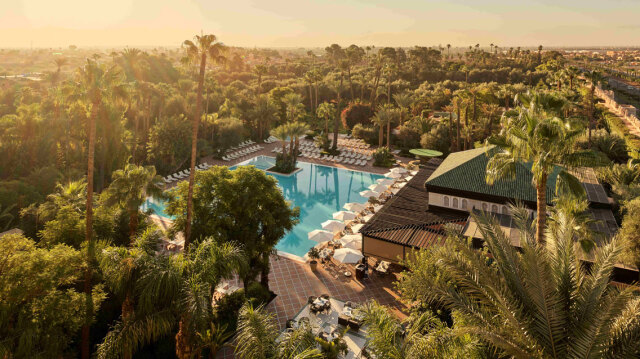
La Mamounia continues to define luxury hospitality in Marrakech more than a century after opening its doors, maintaining an allure that spans generations.
Guests frequently report a single recurring complaint during their visits, finding it difficult to tear themselves away from the hotel grounds to explore the wider city.
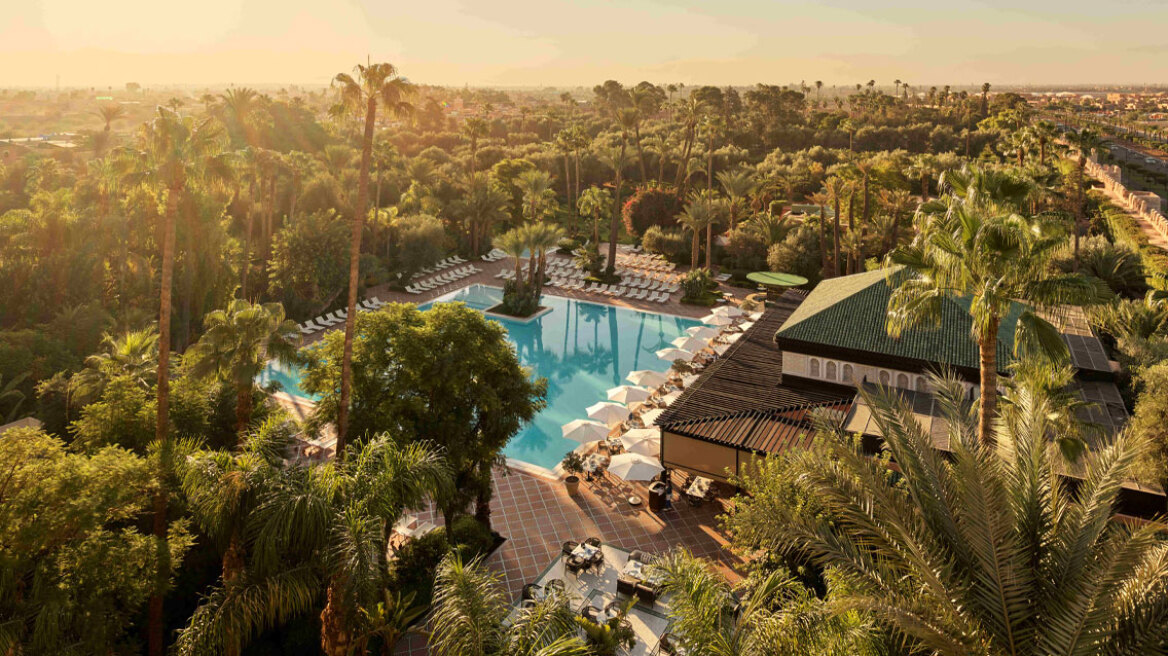
Travellers often arrive with planned itineraries covering medina landmarks, local museums, public gardens, and traditional restaurants. Instead, visitors find that morning breakfast extends into the day, the swimming pool keeps them longer than planned, and an afternoon walk through the grounds readily turns into an occasion for tea.
The estate creates high expectations through its prominent name and historic reputation. Yet visitors note that its greatest appeal lies in quieter moments, from sitting in comfort and learning the paths to the gardens to feeling the warmth of a familiar holiday home.
Century of Moroccan Heritage
The hotel opened in 1923 on land near the historic medina walls of Marrakech. The surrounding estate originated in the eighteenth century, when Sultan Mohammed ben Abdallah presented the royal orchards as a wedding gift to his son, Prince Moulay Mamoun, giving the property its name.
Architects Henri Prost and Antoine Marchisio originally designed the building, blending traditional Moroccan craftsmanship and intricate tilework with Art Deco elements. The property later gained global renown as a retreat for international figures, including British statesman Winston Churchill, who regularly spent winters painting in the gardens.
Role in Luxury Tourism
La Mamounia has long played a central role in Morocco's luxury tourism sector, historically operating under the ownership of the national railway company Office National des Chemins de Fer alongside the city of Marrakech.
Greek business news outlet Newmoney reported on the estate's lasting appeal, noting that the property continues to hold its position among premier international travel destinations.