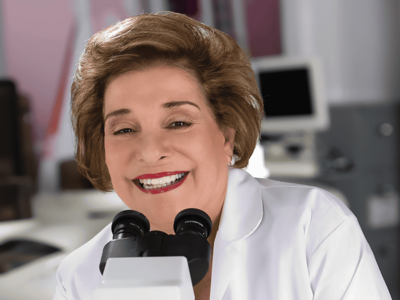
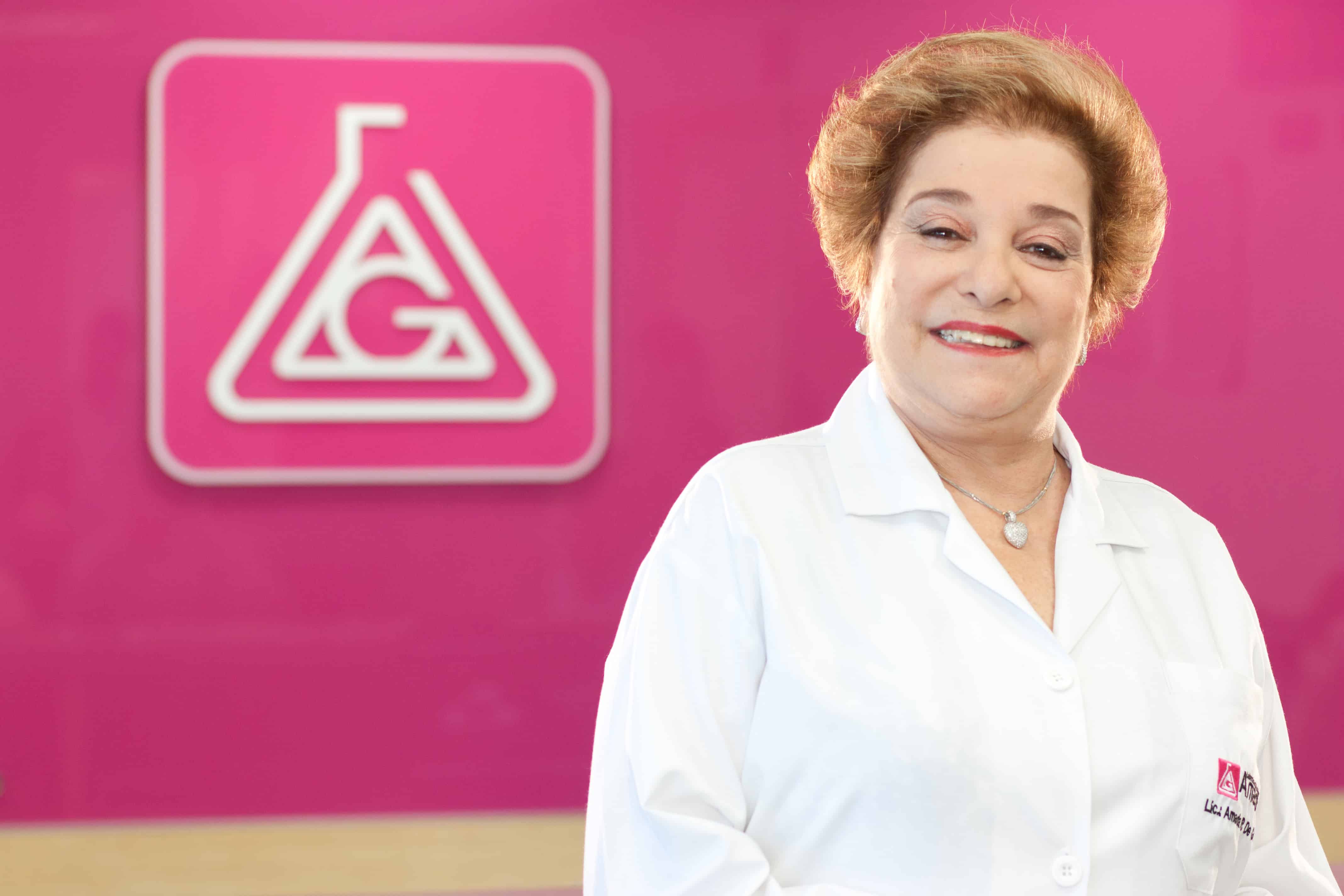
Amadita Laboratorio Clínico is marking 67 years of operations in the Dominican Republic as the healthcare provider expands its national network to 87 branches.
The clinical diagnostic company, founded in Santo Domingo by the late bioanalyst Amada Pittaluga de González, has transitioned into its third generation of family leadership while broadening its medical services to include nationwide vaccination centres.
The anniversary highlights the growth of an institution that began in 1959 with a single microscope inside a doctor's consultation office and grew into one of the country's primary medical testing providers.
Early career and clinical training
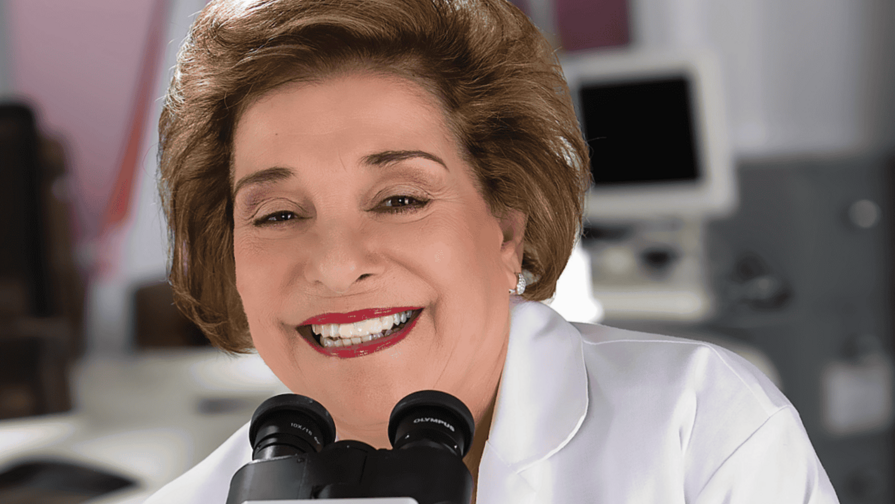
The organisation traces its roots to Pittaluga's childhood in Santo Domingo, where she received a microscope as a Three Kings Day gift. The instrument inspired a permanent interest in science and medical analysis.
Her father initially advised her to study a shorter and more traditionally female career, but she chose to pursue bioanalysis instead.
In 1953, she entered the Instituto para Laboratoristas Dr. Defilló, which was directed by Dr. Francisco Manuel Bello. At the same time, she worked as a microbiology teaching assistant in the Faculty of Medical Sciences at the Universidad Autónoma de Santo Domingo.
She graduated as a laboratory technician in 1955, the same year she married pediatrician Octavio González Nivar.
The couple then moved to the United States to pursue further medical qualifications. While her husband specialised in pediatrics, Pittaluga completed rotating clinical training at Presbyterian Hospital, an institution affiliated with the University of Pennsylvania.
Her performance and technical expertise led her to direct the hospital's Department of Microbiology before returning home.
Foundation of the first laboratory
The couple returned to the Dominican Republic in 1958, and Pittaluga resumed her work at the Universidad Autónoma de Santo Domingo.
In 1959, she established an independent clinical and microbiological analysis laboratory inside her husband's pediatric practice. She launched the venture with minimal equipment, relying on a single microscope, an oven, and a centrifuge.
That practice marked the beginning of Amadita Laboratorio Clínico, which grew steadily through a focus on patient care.
In 1962, while working alongside her husband at the Clínica Dr. Mañón, Pittaluga introduced at-home sample collection, an unprecedented service in the Dominican healthcare market.
The concept came from her childhood memories of a physician who made house calls. She once recounted that remembering a doctor from a laboratory visiting homes prompted her to offer the same direct service when she entered professional practice.
The service required early mornings and careful family logistics. After dropping their daughters off at school, the couple drove across Santo Domingo to collect blood and biological samples directly from patients in their homes.
Technological innovation and expansion
Pittaluga continued to develop clinical diagnostics through work with medical groups, including Grupo Médico Bolívar and Grupo Médico Asociado y Clínico Gómez Patiño.
During this period, she advanced laboratory automation in the country by purchasing the first automated hematology counter in the Dominican Republic.
Although local physicians initially treated the automated equipment with skepticism, the machine helped modernise blood testing across the domestic medical industry.
In 1984, Pittaluga decided to launch an independent facility bearing her name. She discovered the site by chance while walking along Calle Abelardo Rodríguez Urdaneta in the Gazcue neighbourhood of Santo Domingo.
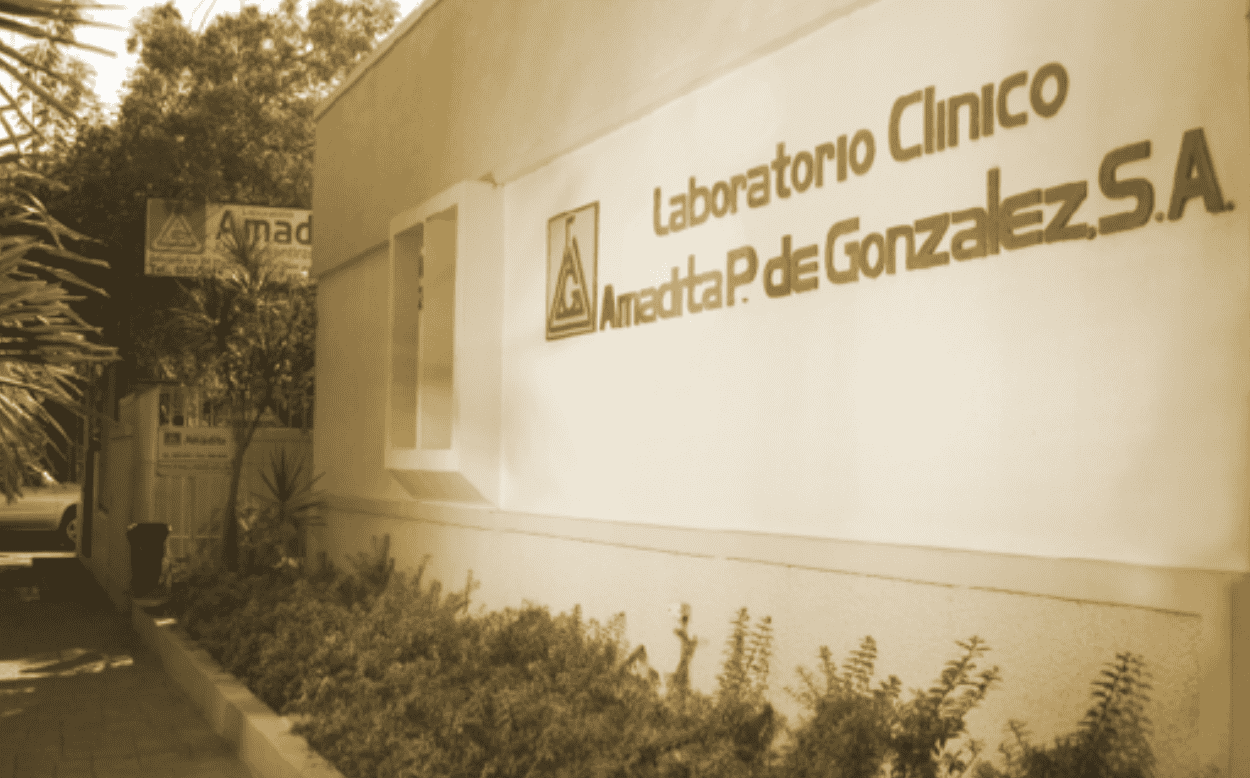
She opened the laboratory at 102 Calle Abelardo Rodríguez Urdaneta, offering diagnostic services 24 hours a day, seven days a week.
Community outreach and quality standards
Following the launch of the Gazcue branch, Pittaluga expanded physical facilities beyond commercial centres to serve lower-income neighbourhoods.
In 1985, the company opened branches in communities such as María Auxiliadora and Herrera, widening access to diagnostic testing for underserved populations.
The company also worked to ensure patients were not turned away due to financial difficulties. Pittaluga collaborated with charities and public agencies, including CONANI, Hogares Crea, the Fundación Banco de la Esperanza, and the Fundación Domínico Alemana para la Salud.
Clinical quality standards accompanied the network's expansion. Amadita Laboratorio Clínico achieved international ISO 9001:2000 certification in 2003, followed by ISO 9001:2008 recertification in 2009.
In 2013, the institution became the first clinical laboratory in the Dominican Republic to earn ISO 15189 accreditation, an international standard specifically designed for medical laboratories.
Pittaluga defined the firm's operating philosophy through patient care, frequently remarking that treating patients well was not just a duty, but an act of love.
Leadership succession and modern network
The company expanded over subsequent decades into a national healthcare institution. In 2015, Pittaluga transferred the executive presidency to her daughter, Patricia González Pittaluga, while remaining head of the Board of Directors.
The founder died on December 4, 2023, concluding more than six decades of leadership in Dominican clinical analysis.
The business continued its expansion across the country following her death.
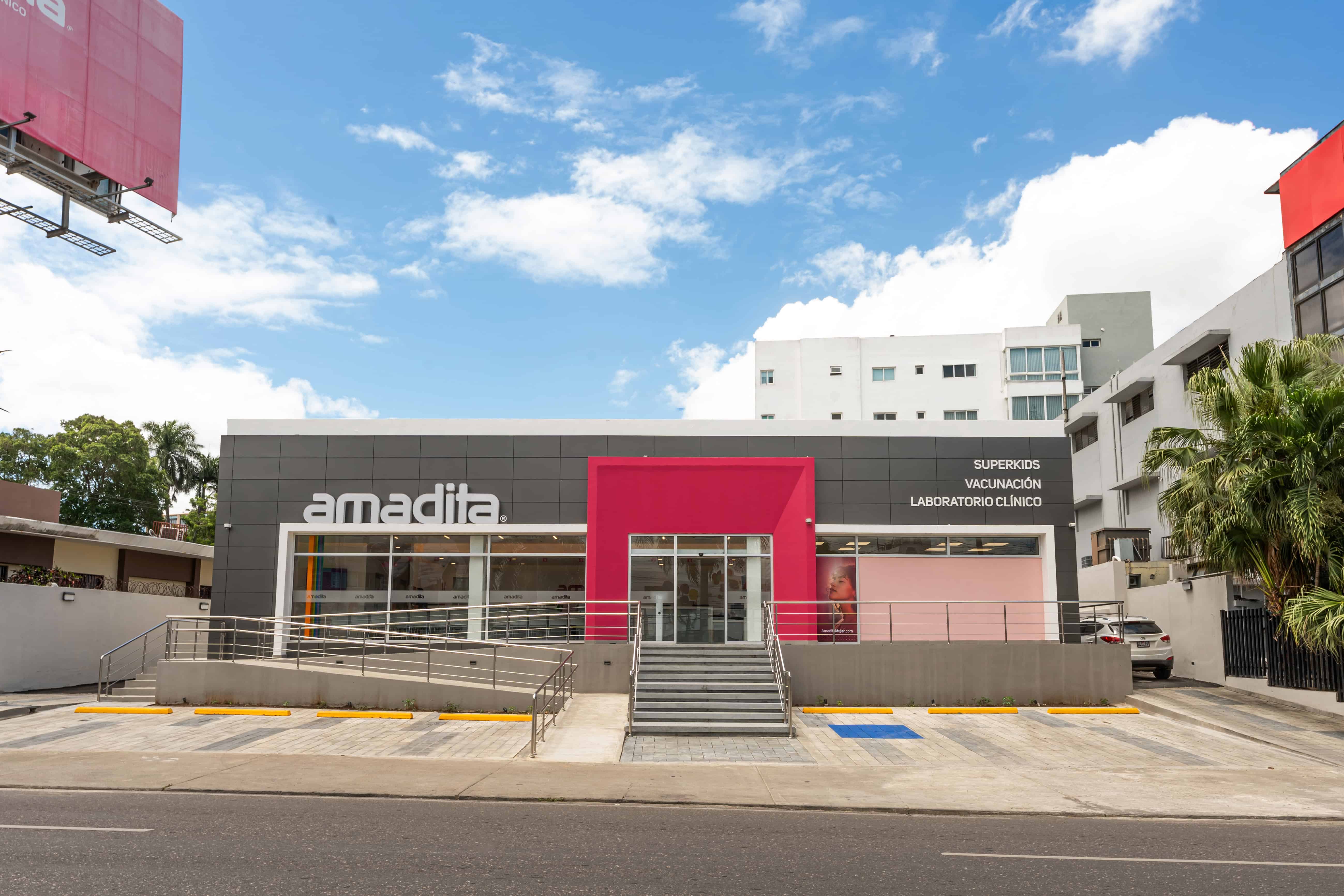
Amadita Laboratorio Clínico currently operates 87 branches throughout the Dominican Republic, maintaining facilities in major regional centres such as Santiago.
The network provides diagnostic testing in hematology, clinical chemistry, microbiology, and molecular biology. Since 2019, the company has updated its corporate structure to strengthen processing capacities for domestic and international markets.
Governance transition and vaccination services
The company completed a governance reorganisation in 2024 to guide its strategic planning and long-term commercial sustainability.
Under the new structure, Dr. Patricia González Pittaluga was appointed president of the Family Council and Grupo González Pittaluga.
Alberto Bergés González, a member of the third generation of the founding family, took over as president of the institution and the Board of Directors.
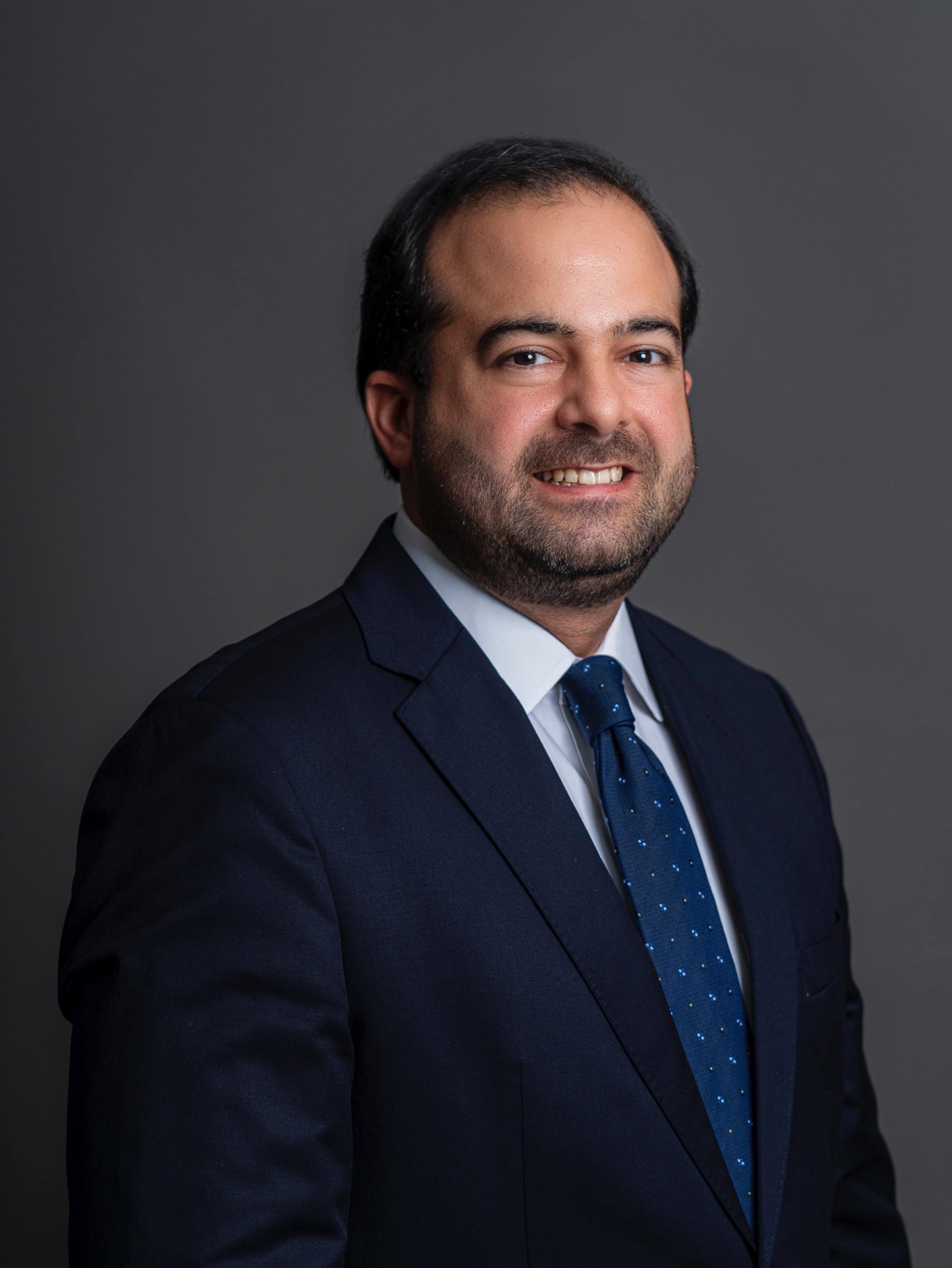
The Board of Directors incorporates external, independent professionals responsible for overseeing strategic plans while maintaining the company's founding principles.
The organisation also widened its medical offerings by establishing vaccination centres across its branches to support preventive healthcare.
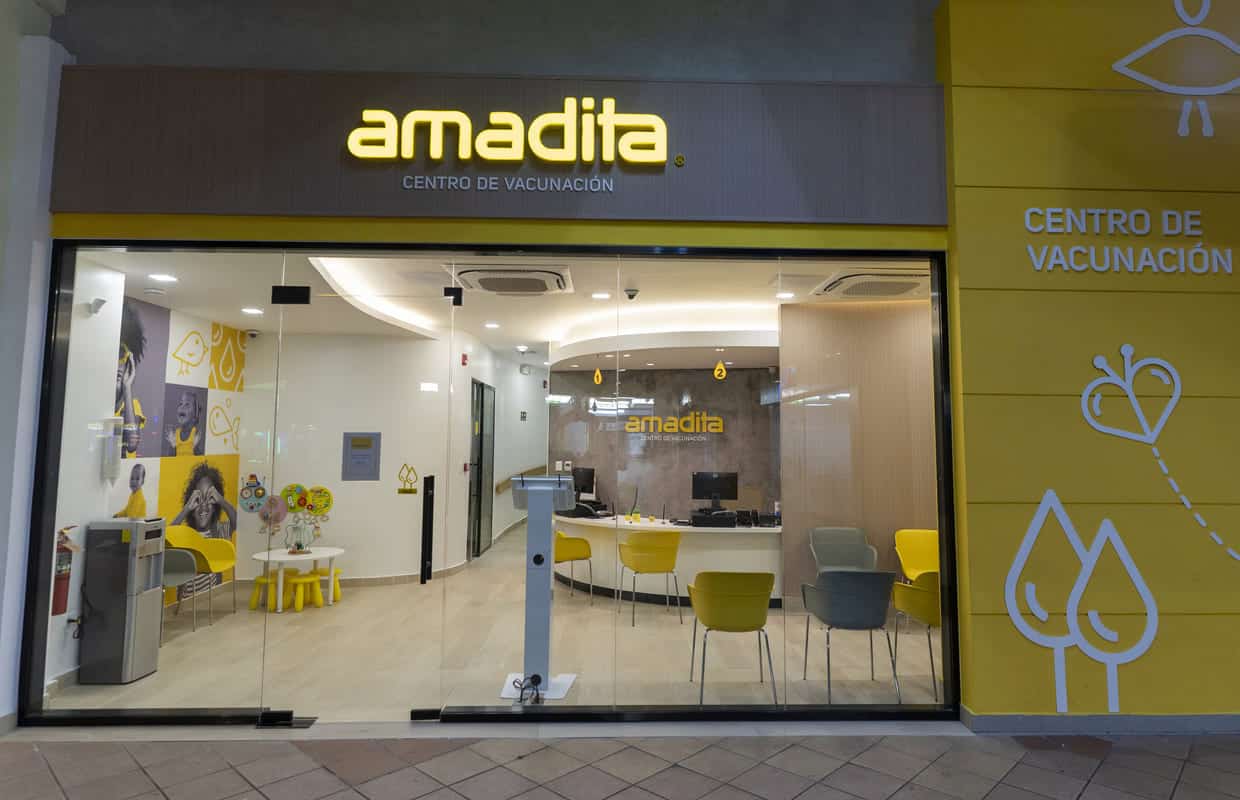
The vaccination programme is designed to meet evolving healthcare demands, reinforcing preventive medicine as a key operational focus as the company marks 67 years in business.