

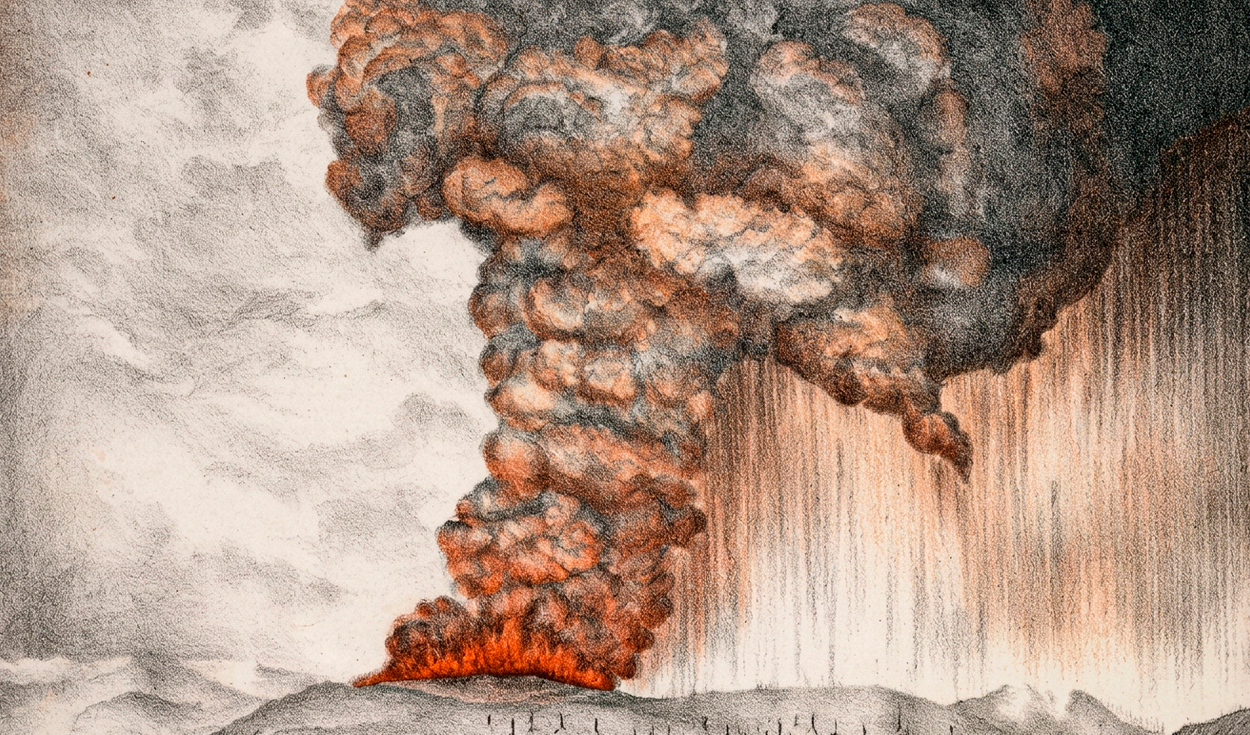
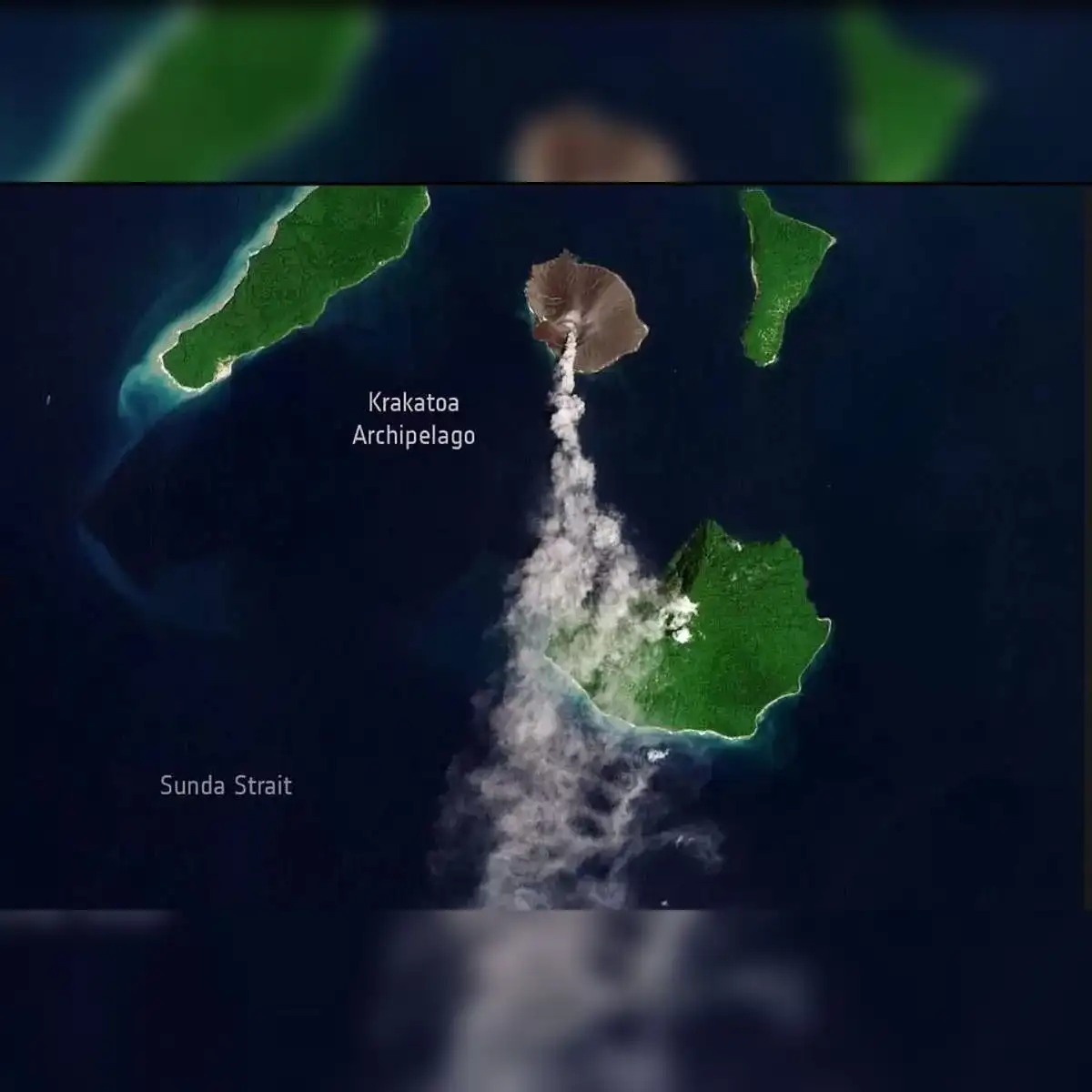
A series of cataclysmic explosions devastated the Krakatoa volcanic complex in the Sunda Strait between Java and Sumatra on 27 August 1883, marking the first major eruption in history to be recorded and analysed using scientific methods.
According to the National Oceanic and Atmospheric Administration, the Indonesian disaster unleashed pressure waves that circled the Earth multiple times and altered global climate patterns for years.
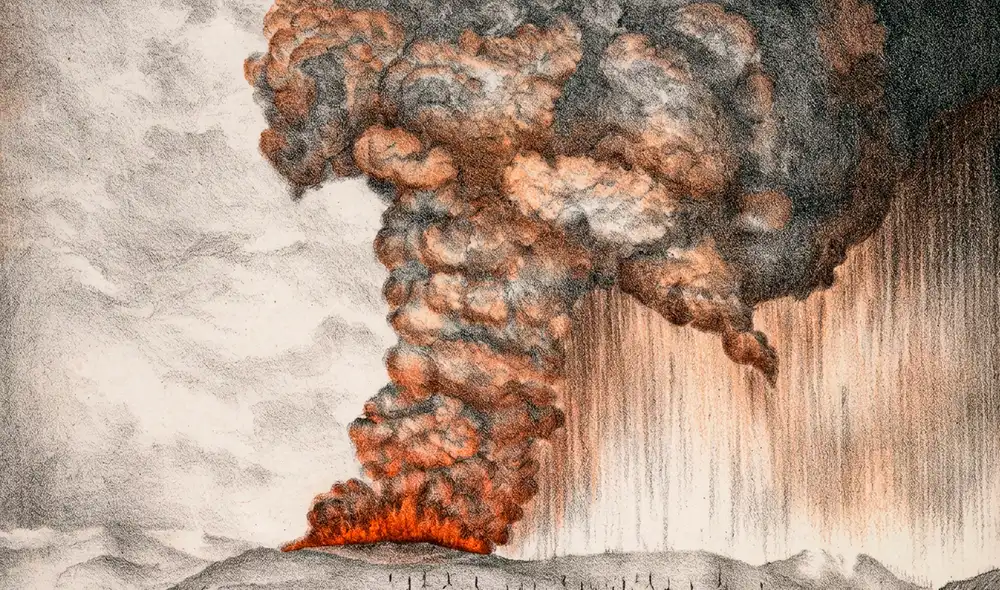
The impact of the eruption demonstrated how a localized event could alter the entire planet. Martin Mangler, a specialist at the Natural History Museum in London, stated that the disaster serves as a striking example of the irrepressible force of nature.
Although telegraph technology was only beginning to connect continents at the time, the disaster was documented with impressive speed for the late nineteenth century.
Atmospheric impact and global cooling
Barometers positioned across the planet repeatedly detected the powerful shockwave following the blast. Data confirmed that the atmospheric perturbation travelled around the globe in multiple directions, completing several planetary loops.
Reports from the National Oceanic and Atmospheric Administration and the Royal Society confirmed that these instrumental measurements proved the atmosphere operates as a continuous structure capable of transmitting energy across continental scales.
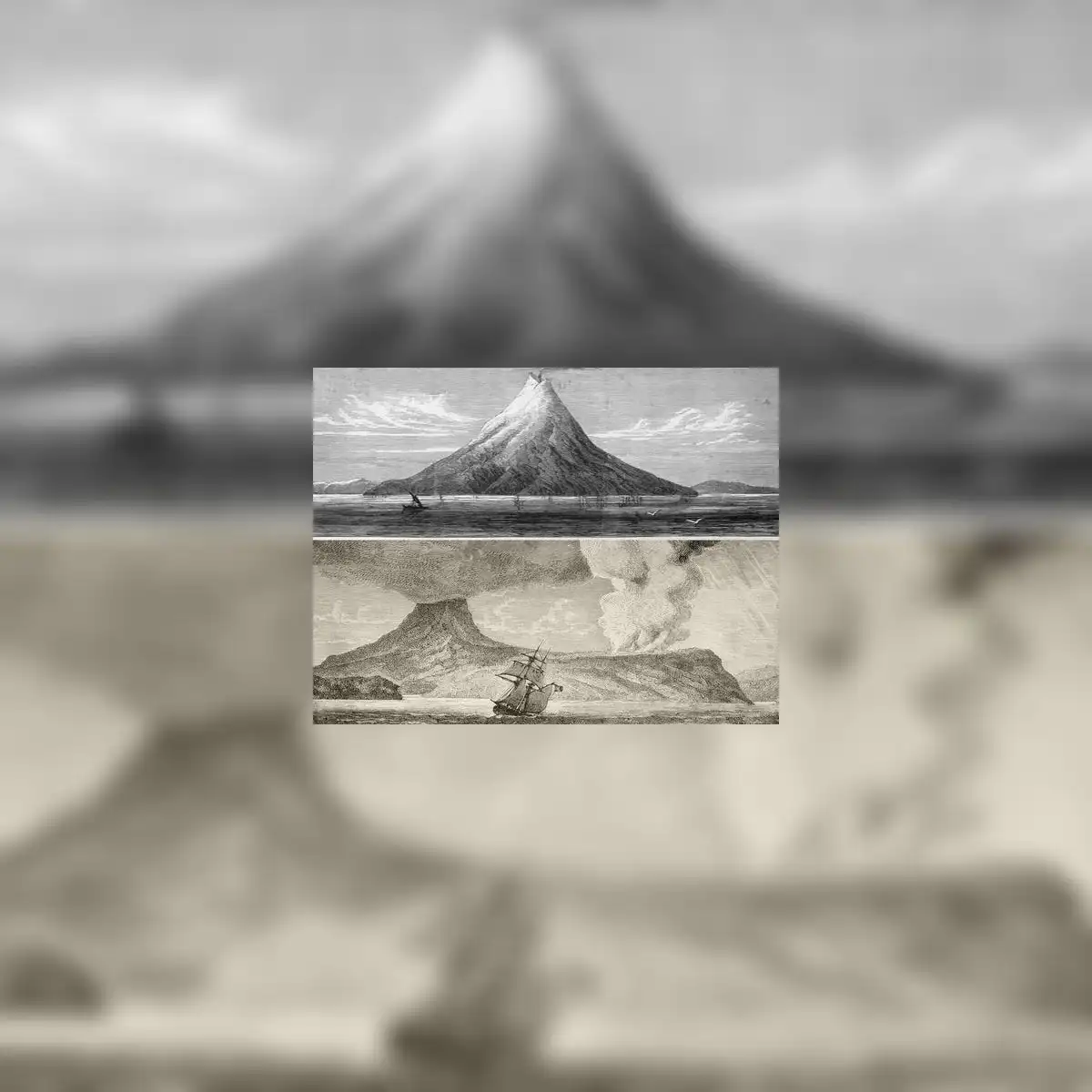
Material expelled by the volcano reached an altitude of nearly 80 kilometres and covered an area of approximately 800,000 square kilometres. Particles accumulating in the stratosphere dimmed solar radiation and triggered unusual optical phenomena, including intense twilights, lunar halos, and blue-tinted moons.
Records from the National Oceanic and Atmospheric Administration and the Natural History Museum show that the event transformed daily astronomical and meteorological observations. A curtain of sulfate aerosols reduced the average global temperature by approximately 0.5 degrees Celsius during the following year, with thermal anomalies continuing until 1888.
According to the United States Geological Survey, this planetary cooling was not caused directly by falling ash dust, which precipitates within weeks, but by sulfur dioxide that converted into reflective sulfates in the atmosphere. The agency noted that the cataclysm laid the foundation for modern understanding of how massive volcanic activity interacts with atmospheric dynamics and climate.
Explosive power and devastating tsunamis
While Krakatoa is not the largest volcanic explosion in recorded history, a title held by the 1815 eruption of Mount Tambora with a Volcanic Explosivity Index rating of 7, it ranks among the deadliest and most thoroughly documented cataclysms. The Smithsonian Institution's Global Volcanism Program assigns the 1883 Krakatoa event a Volcanic Explosivity Index rating of 6.
The final detonation resounded 4,600 kilometres away, reaching distant points such as Australia and the island of Mauritius, an acoustic range covering more than 10 percent of the planet. The total energy released was between 100 and 200 megatons of TNT.
At its upper estimate of 200 megatons, compared with the 15 kilotons dropped on Hiroshima, the force equalled roughly 13,000 nuclear bombs in an approximate energy comparison.
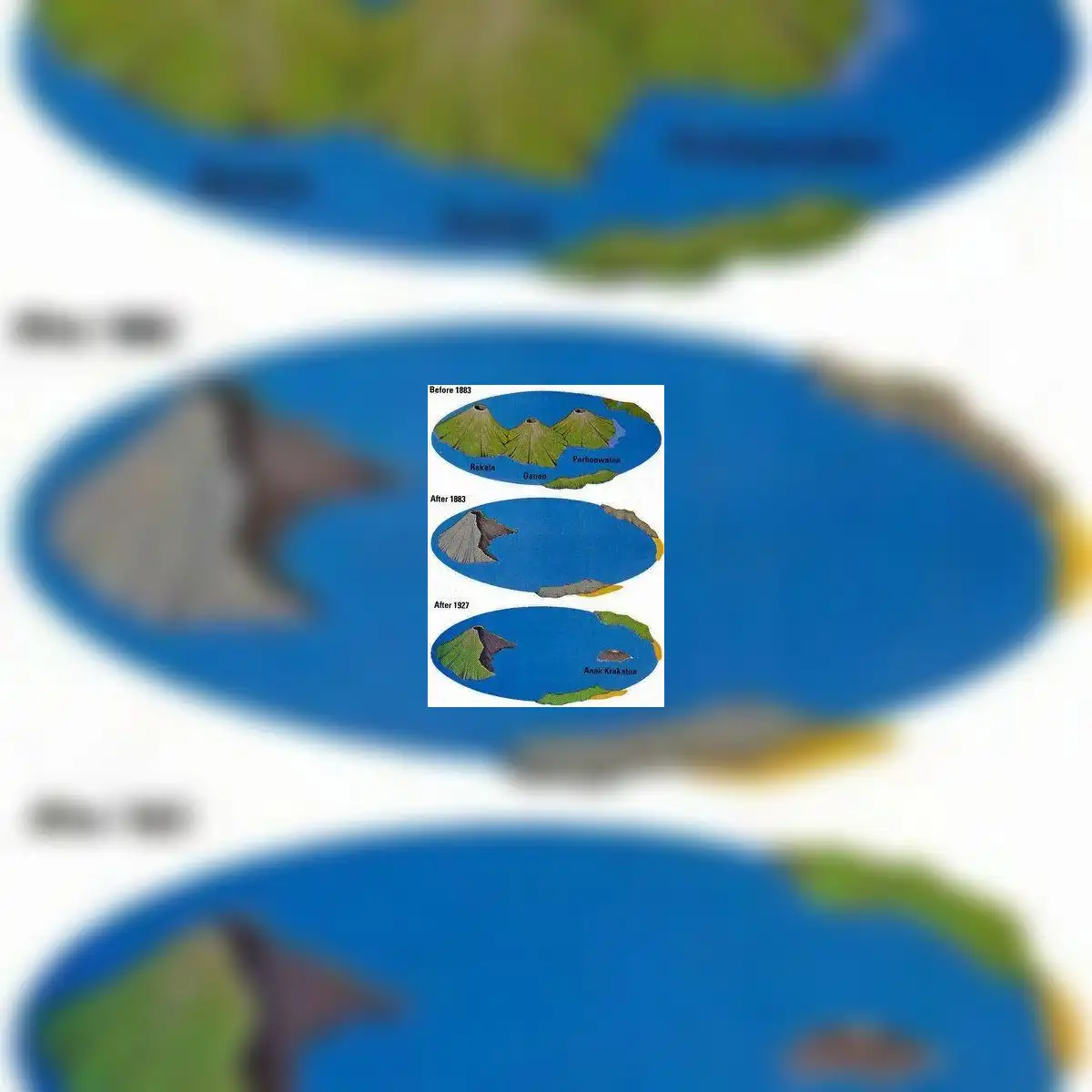
The disaster claimed more than 36,000 lives, largely due to giant waves that swept across the coasts of Java and Sumatra. National Oceanic and Atmospheric Administration records confirm that more than 34,000 of these fatalities resulted from tsunamis, which reached heights of up to 41 metres.
The tragedy demonstrated that volcanic hazards extend far beyond lava to include structural collapses, pyroclastic flows, and atmospheric shockwaves. Lessons from the event remain essential for designing modern volcanic monitoring networks, coastal warning systems, and emergency evacuation protocols.


