

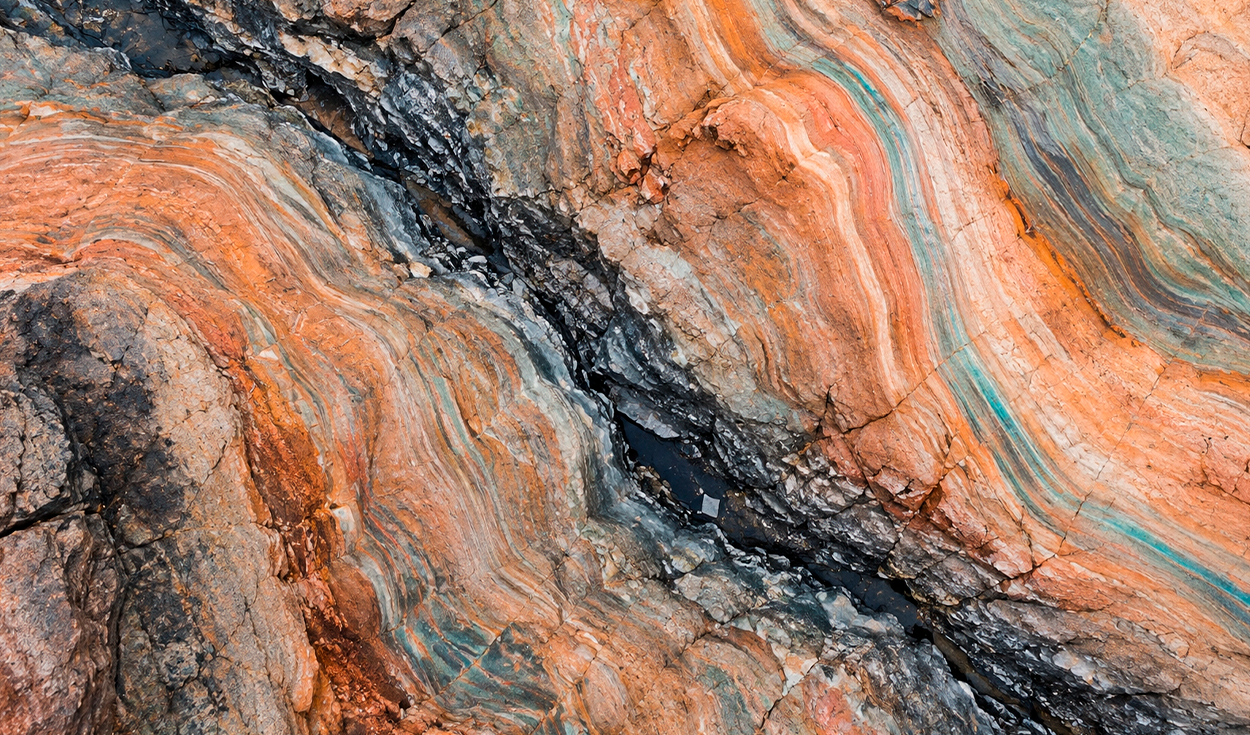
Scientists at Tohoku University have discovered naturally occurring graphene oxide within Japan's active Atotsugawa fault system, potentially explaining why the tectonic structure moves without generating major earthquakes.
The study, published in the peer-reviewed journal Nature Communications in May 2026, identified the extraordinarily low-friction carbon material within microscopic rock fractures along the fault line. Researchers suggested that the substance could facilitate aseismic slip, allowing tectonic plates to slide past each other smoothly rather than locking and releasing energy in violent seismic events.
Aseismic slip, often referred to by geologists as fault creep, occurs when opposing blocks of Earth's crust move past one another at a slow, continuous rate without producing detectable earthquake shockwaves. For years, geologists had been baffled by the behavior of the active fault in central Japan. Although geodetic satellite measurements confirmed that the ground was continuously shifting, the fault produced far lower seismic activity than other major tectonic systems.
While geodetic measurements had previously warned of this unusual movement, the exact physical mechanism that reduces friction between the massive rock walls had remained a mystery until now.
Microscopic analysis of the Atotsugawa fault
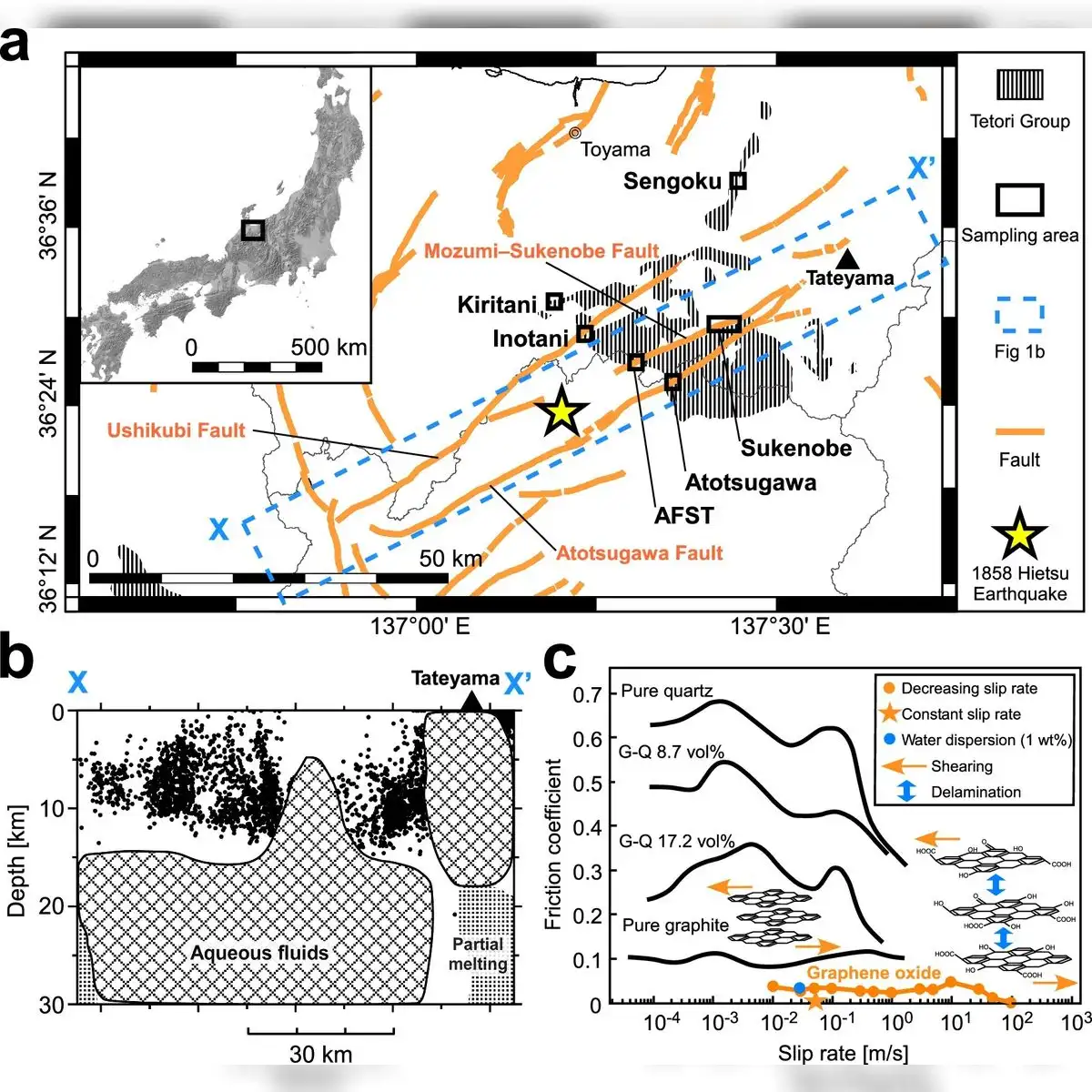
The Atotsugawa fault system is a major 60-kilometer tectonic network situated between Gifu and Toyama prefectures in the Chubu region of central Japan. To investigate the cause of the smooth movement, researchers from Tohoku University collected fragments of crushed rock, known in geology as fault gouge, from six strategic locations across the Atotsugawa and Mozumi-Sukenobe fault zones.
Fault gouge forms as continuous tectonic grinding crushes solid rock into fine grains along a fault plane over thousands of years. Back in the laboratory, the researchers analyzed the collected samples using three sophisticated analytical techniques to differentiate the various carbon components present in the rock matrix.
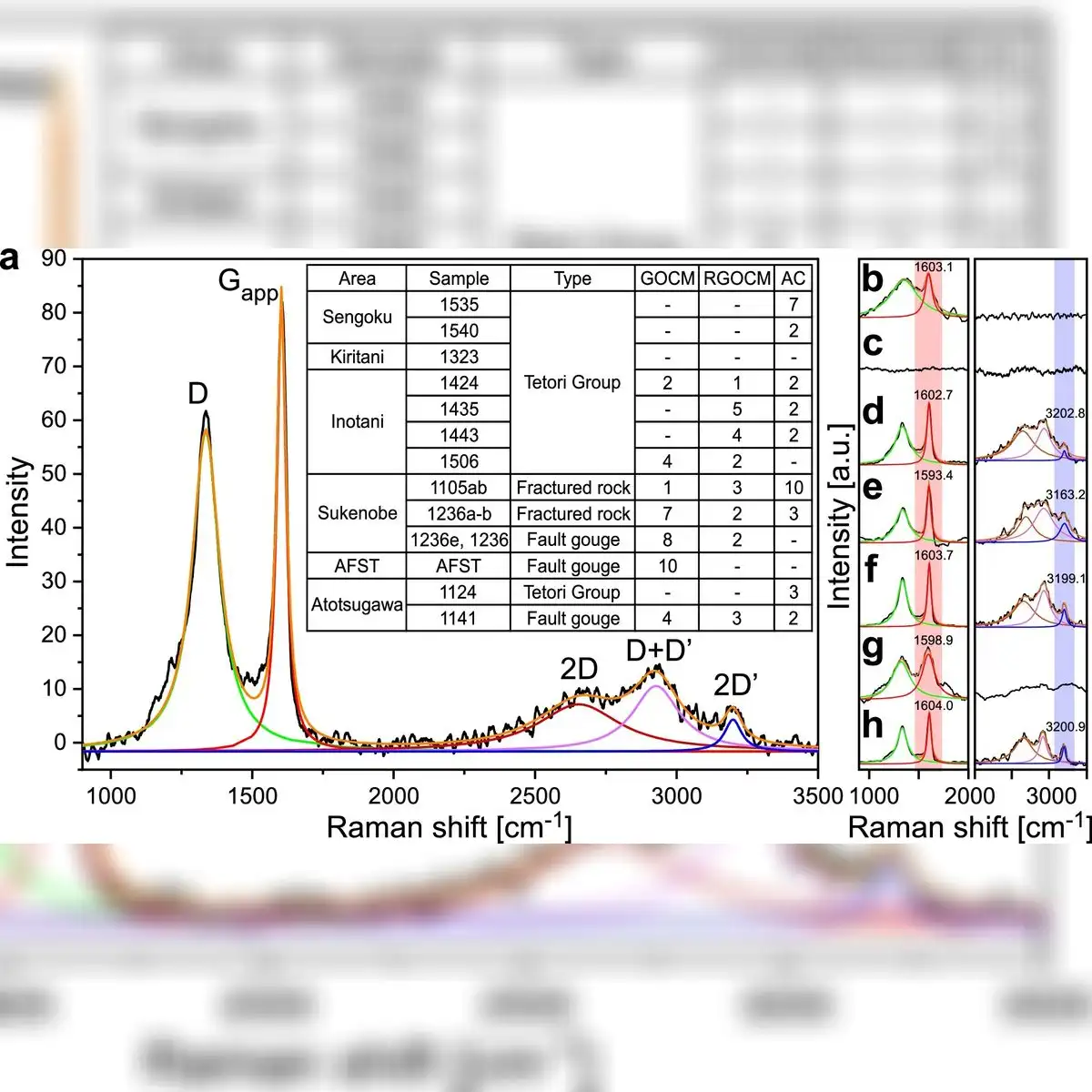
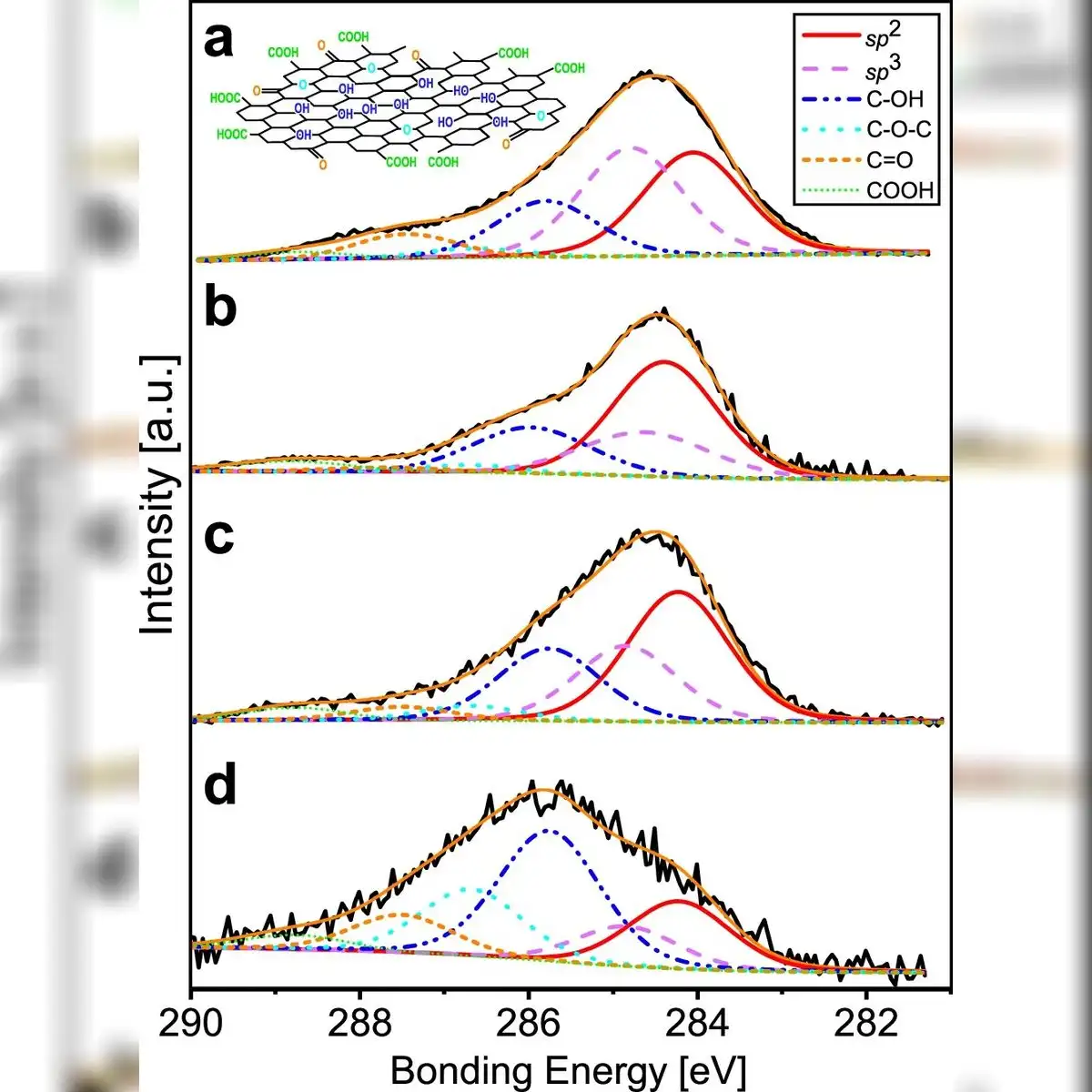
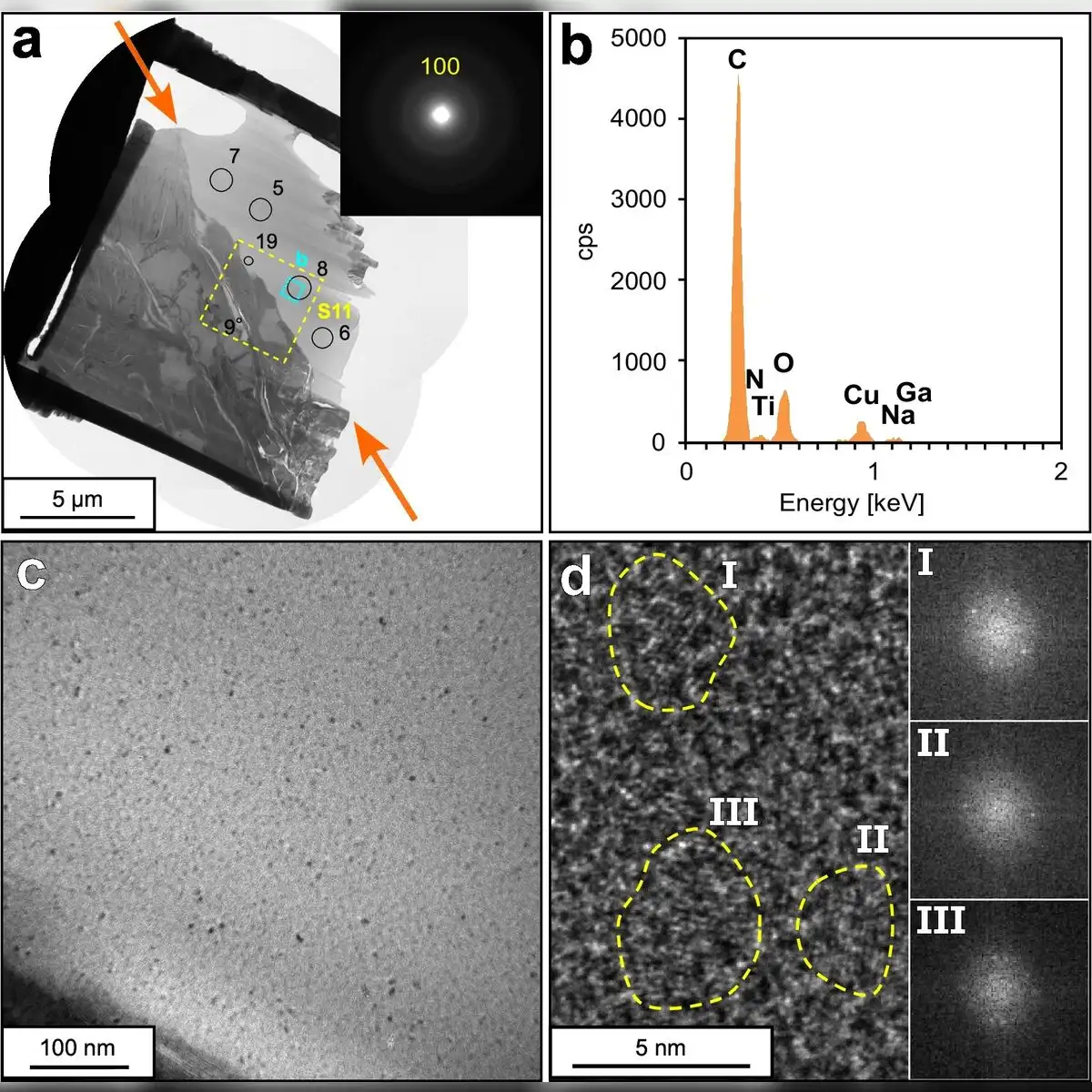
The team applied Raman spectroscopy to examine carbon molecular structures, transmission electron microscopy to image nanometer-scale features, and X-ray photoelectron spectroscopy to determine chemical bonding states. Raman spectroscopy relies on laser scattering to identify molecular vibrations, transmission electron microscopy uses electron beams to map atomic lattices, and X-ray photoelectron spectroscopy measures electron energies to analyze surface chemistry.
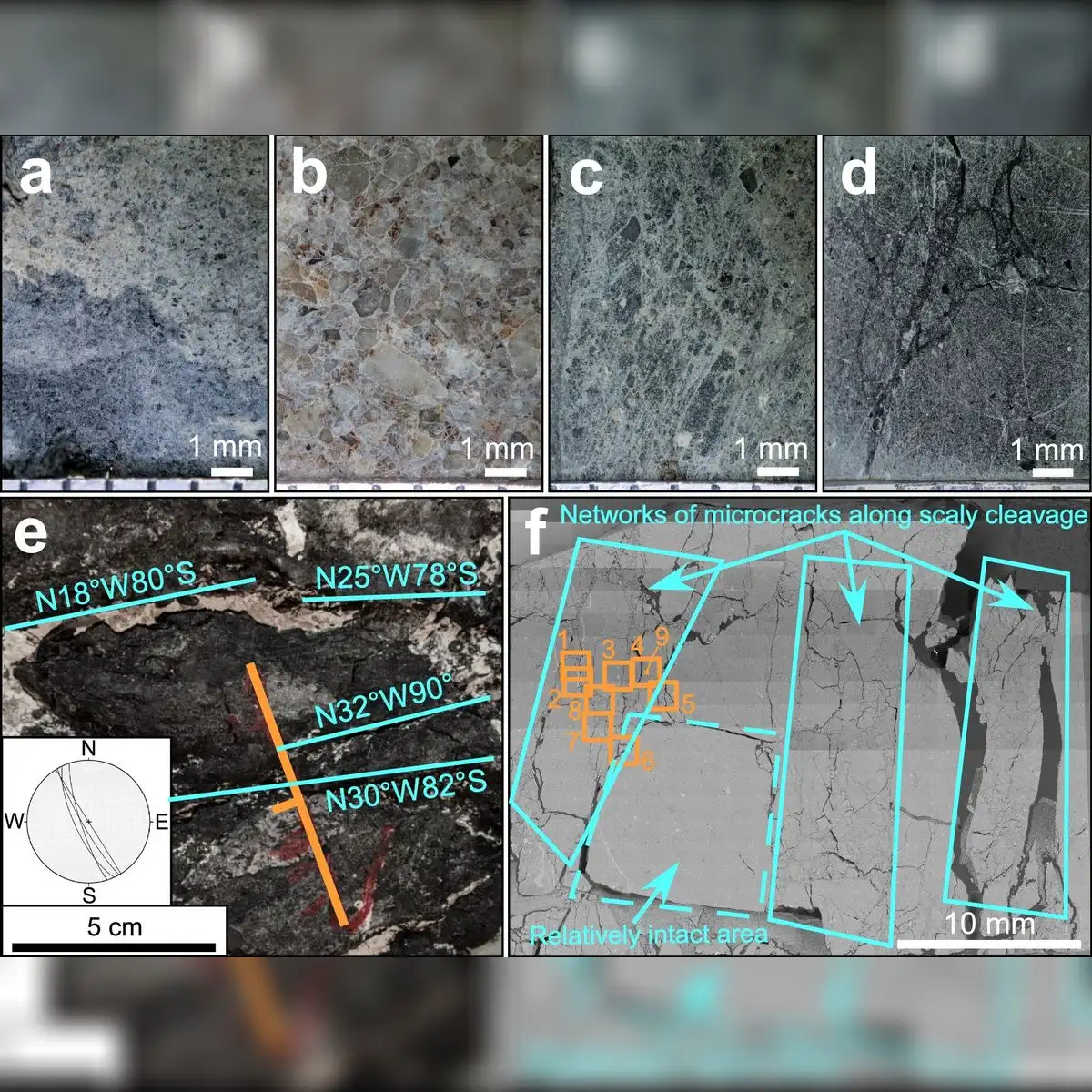
Laboratory examinations verified the existence of an organic carbon compound embedded inside microcracks within rock sheets measuring between 3 and 10 nanometers thick. The thin matrix featured a hexagonal network of carbon atoms chemically bonded with oxygen. The study noted that this represents the first confirmed identification of naturally occurring graphene oxide inside an active fault line, after ruling out similarities to amorphous carbon or traditional graphite.
How the natural superlubricant works
Laboratory testing demonstrated that the naturally formed graphene oxide has a friction coefficient of approximately 0.01. This value is ten times lower than that of standard graphite and significantly lower than conventional fault rocks, which typically exhibit friction coefficients ranging between 0.6 and 0.85.
Graphene oxide differs from pure graphite due to its oxygen-bearing functional groups, which readily react with water. When exposed to surrounding groundwater within the fault zone, the oxygenated properties allow microscopic layers of the material to slide effortlessly across mineral surfaces. Tohoku University explained that these chemical and mechanical interactions create an effective lubricating layer along the geological terrain.
This natural nanomaterial hypothesis seeks to clarify the unusually low seismicity recorded in the central sector of the Atotsugawa fault down to a depth of eight kilometers. Historical geodetic measurements revealed that the area experienced a slow displacement of 1.5 millimeters per year between 1981 and 1999, followed by a locked phase between 1998 and 2006.
The shifting measurements demonstrate that the fault system undergoes dynamic changes in behavior over time. Historically, when multiple segments of the fault locked and ruptured simultaneously, the breakdown triggered the severe magnitude 7.0 Hietsu earthquake of 1858, which devastated the mountainous region of central Japan.
Tectonic stress generates nanolubricant
Researchers suggested that the tectonic forces driving the fault are directly responsible for synthesizing the compound. Under the team's hypothesis, extreme tectonic stress and mechanical friction transform existing carbon materials in the rock into graphene oxide over time.
Professor Hiroyuki Nagahama of Tohoku University explained in an official release that the more a fault slides, the more it generates its own nanolubricant. The spatial stability of the graphene oxide matches the exact zone of reduced earthquake activity, supporting the proposed link between the nanomaterial and smooth fault displacement.
Prior to this study, the presence of naturally synthesized graphene oxide had never been confirmed inside an active tectonic fault. Although previous research had identified graphite as a potential weakening agent in the Atotsugawa system, the study's authors clarified that additional lab analyses and mechanical testing on rock samples remain necessary.
The scientists emphasized that while the discovery opens a promising new avenue of geological research, the findings are currently insufficient to certify that the natural superlubricant can prevent future major earthquakes along the fault line.


