

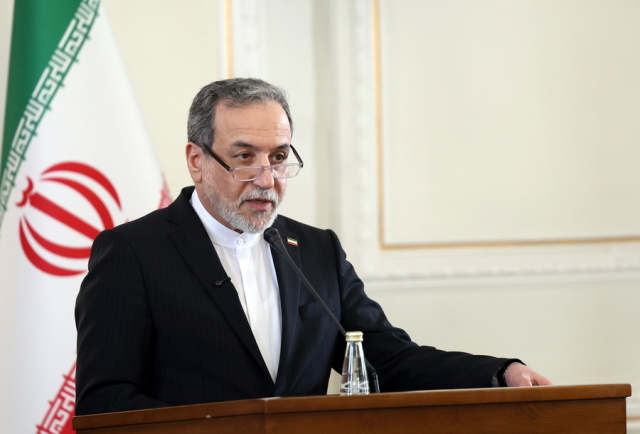
Iranian Foreign Minister Abbas Araghchi has met U.S. special envoy Steve Witkoff on Tuesday on the sidelines of the United Nations General Assembly to convey Tehran's terms for reopening the strategic Strait of Hormuz, according to Iranian media reports.
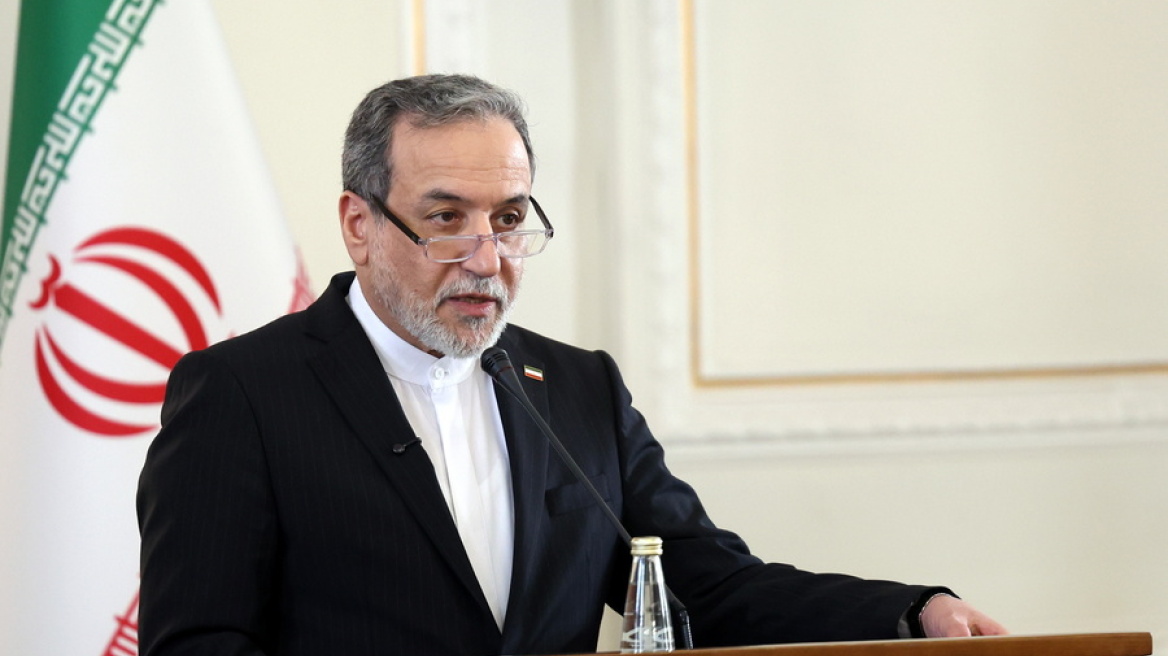
Iranian media reported that Tehran's conditions require an immediate lifting of the naval blockade imposed by the United States, the prompt unfreezing of Iranian financial assets, and the complete termination of hostilities on all fronts.
Earlier, U.S. President Donald Trump stated that American and Iranian officials had held a very good meeting that lasted three hours. Trump expressed optimism regarding the prospect of reaching a formal agreement between Washington and Tehran.
Addressing world leaders at the UN General Assembly, Trump called on the international community to stand united in exerting pressure on Iran. He stated that he faces a choice between wiping out Iran or reaching a deal with Tehran.
Trump estimated that an agreement with Iran is likely to be achieved immediately following the U.S. midterm elections in November.
Reiterating that Iran must never acquire nuclear weapons, Trump argued that the Iranian government is weak and desperate. He added that major changes could happen quickly.
Strait of Hormuz and diplomatic context
The Strait of Hormuz is a vital maritime choke point situated between the Persian Gulf and the Gulf of Oman, carrying a significant portion of the world's sea-borne oil shipments and international maritime trade.
The diplomatic meeting took place in New York during the annual gathering of the United Nations General Assembly, where international representatives convene to discuss global security issues. Foreign Minister Abbas Araghchi leads Iran's foreign ministry, while special envoy Steve Witkoff represents the U.S. administration in diplomatic discussions.
Naval blockades and asset freezes have been central friction points in relations between Washington and Tehran. The upcoming U.S. midterm elections in November will determine congressional control, setting the domestic political backdrop for American foreign policy decisions.


