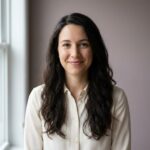

A new documentary streaming on HBO Max since September 11 tells the story of six anonymous fact-checkers who spent months during the Covid-19 pandemic working to expose flawed science behind Professor Didier Raoult's promotion of hydroxychloroquine as a treatment for the virus. Titled "Professeur Raoult vs le gang des cerises," the four-part series was reviewed by 20 Minutes ahead of its release.
In early 2020, as Covid-19 began claiming its first victims in France, Raoult, then head of the Institut hospitalo-universitaire (IHU) in Marseille, promoted hydroxychloroquine as a reliable remedy against the virus. France went on to record 167,664 Covid-related deaths.

The group behind "Les cerises trottinettes"
The documentary centers on a group of six anonymous people who organized under the name "Les cerises trottinettes" on Twitter at the start of the pandemic, pooling their knowledge and research skills to challenge Raoult's claims one by one. The name combines "cherry picking," the practice of selectively presenting facts that support an argument while ignoring those that contradict it, with a phrase Raoult reportedly used early in the pandemic, that there were more deaths from scooter accidents than from the coronavirus.
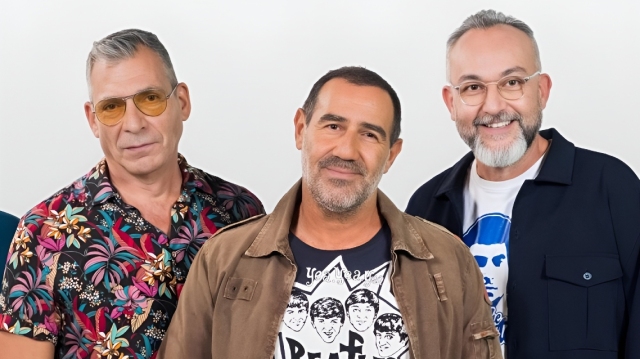
The group included Magali, a doctor in Marseille; Guillaume, a math teacher and former researcher; Alexander, a teacher and metal singer; Fabrice, the head of an IT company and a surfer; Samuel, a researcher described as an "angry troublemaker" over bad science; and Frédérique, a nurse. According to the documentary's credits, their full names are Magali Carcopino Tusoli, Alexander Samuel, Guillaume Limousin, Fabrice Frank, Samuel, and Frédérique Delestaing.
Magali Carcopino Tusoli is Raoult's own daughter, a fact she withheld from the rest of the group when the project began, revealing it only later. The two are estranged, and she said she had been "struck off the family tree." She recalled wondering whether to tell the others who her father was.

A study built on 26 patients
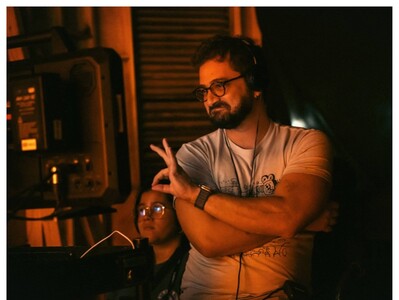
The documentary, directed by Caroline Benarrosh and Martin Boudot, unfolds across four 45-minute episodes that trace the group's research against the timeline of the pandemic. According to one member of the group, the study Raoult published to support his claims about hydroxychloroquine was "completely crazy." Magali said no conclusions could be drawn from a sample of just 26 patients, the number used in the study. Another member noted that a patient who died was excluded from the results, despite having received the treatment, describing it as an example of cherry picking by the head of the Marseille institute.
As the weeks passed and Covid-19 was killing around 400 people a day in France, the promised benefits of hydroxychloroquine failed to materialize. Politician Nicolas Dupont-Aignan said he would like to see Raoult made health minister, while then US President Donald Trump said he had doubled his own dose of the drug. Meanwhile, the treatment was linked to cardiac arrests, a finding confirmed by a study published in The Lancet, though the documentary notes the underlying data could not be verified. France passed the milestone of 25,000 Covid deaths on the 50th day of lockdown, as opposition to Raoult's claims began organizing online.
Harassment and a suicide attempt
As the group pushed to expose the flaws in Raoult's work, backlash from his supporters intensified, fueled by a divide between Marseille and Paris and amplified by online conspiracy theorists and anti-vaccine activists who launched what the documentary describes as a witch hunt. Magali Carcopino Tusoli was eventually unmasked. The filmmakers also tracked down a figure known online as "Stalec," who had anonymously driven much of the disinformation campaign on Twitter and now appears on camera to acknowledge his role.
The documentary also names Eric Chabrière, a professor at Aix-Marseille University close to Raoult, who allegedly used a fake account to stoke hostility toward the group, a claim he denies. Carcopino Tusoli said she was subjected to intense abuse, comparing it to treatment she said even the worst offenders do not usually face, and said she attempted suicide as a result.
Raoult's continuing controversy
The documentary arrives as Raoult continues to face scrutiny. An investigation published on August 12 reported ethical and legal problems in papers he and his team published between 1994 and 2024. Raoult was interviewed for the HBO Max documentary but, according to the filmmakers, offered little of substance. The series presents the fact-checkers as whistleblowers and frames their work as a record of how disinformation during the pandemic became, in its own way, as dangerous as the virus itself, with fact-checking offered as the most effective defense against it.