

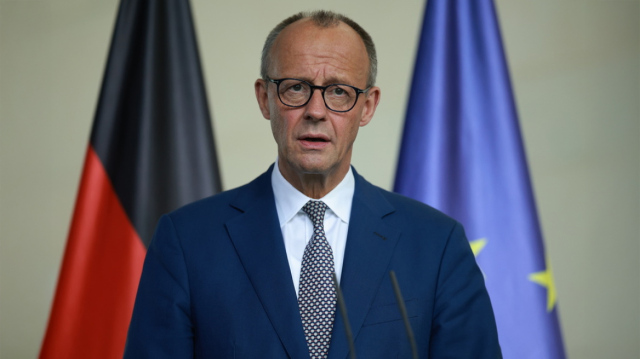
German Chancellor Friedrich Merz has insisted that Europe is not solely dependent on the United States and China, pointing to its vast single market.
Speaking on 2 November 2026, Merz warned against underestimating European capabilities and stressed that other global powers depend heavily on the continent in return.
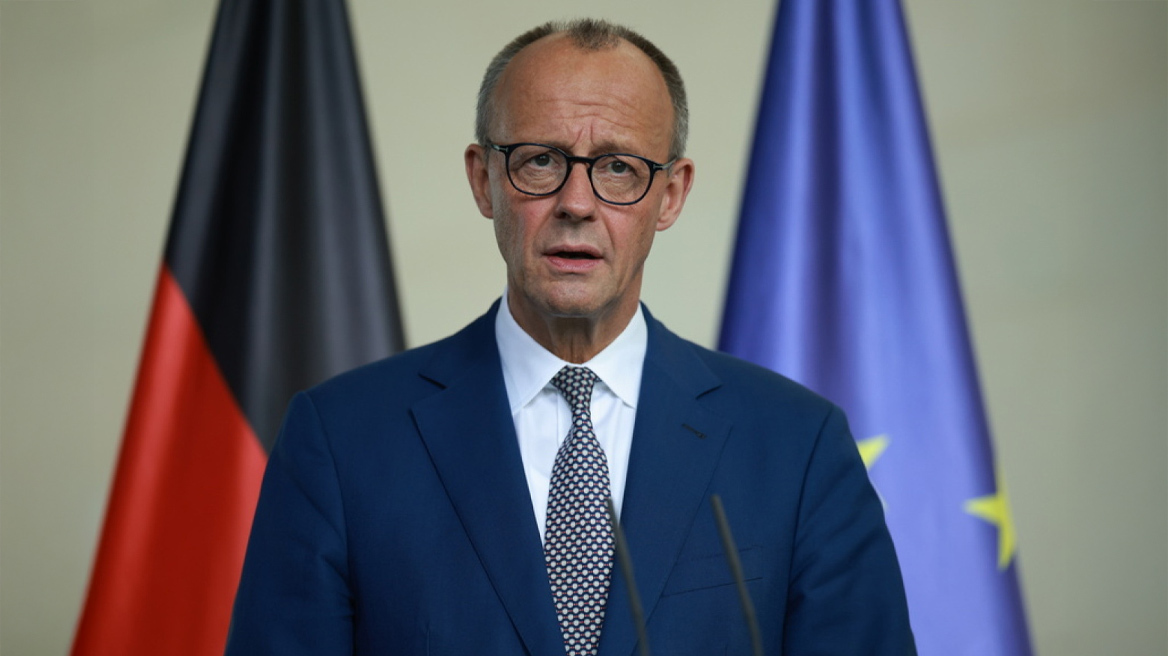
Merz underlined that Europe represents one of the largest single markets in the world, with 450 million consumers driving its economic weight.
He stated that European manufacturing, software development and microchip production remain indispensable to global industry, arguing that domestic output plays an essential role across international supply chains.
European technology and artificial intelligence
Merz emphasized that Europe must not leave the authority to shape technology in foreign hands, calling for greater technological sovereignty.
He stated that European partners intend to develop sovereign, cutting edge European artificial intelligence models together with private investors, adding that this approach secures the technological foundations of European freedom.
The European single market and global trade
The European Union single market brings together 27 member countries into a unified trading territory where goods, services, capital and people can circulate without internal tariffs. With roughly 450 million citizens, the bloc constitutes one of the largest consumer markets on earth, rivaling the economic output of the United States and China.
European policymakers have increasingly focused on economic security as trade disputes, export restrictions and geopolitical friction have strained international commerce. While European industries rely on Chinese raw materials and American digital services, global manufacturers depend on specialized European components, chemical products and precision machinery.
Microchips and strategic autonomy
Semiconductor manufacturing has become a central pillar of global industrial competition, as advanced microchips power automotive systems, defense technology and cloud infrastructure.
Europe holds several critical bottlenecks in the global semiconductor ecosystem. The Dutch firm ASML remains the sole manufacturer of extreme ultraviolet lithography equipment required to print the most advanced microprocessors, while European chipmakers such as Infineon, STMicroelectronics and NXP provide vital components for automotive and industrial sectors worldwide.
The European Union has sought to bolster domestic capacity through initiatives such as the European Chips Act, which mobilizes public and private funding to expand semiconductor fabrication plants within Europe and reduce vulnerability to overseas disruptions.
Frontier artificial intelligence development
Frontier artificial intelligence refers to highly sophisticated foundation models trained on massive computational clusters and broad datasets. These systems underpin emerging generative tools, automated code generation and enterprise software, making them critical drivers of future productivity.
The frontier AI sector has largely been led by United States technology companies, alongside state backed initiatives in China. European leaders and domestic software developers have raised concerns over data governance, regulatory compliance and potential reliance on non-European cloud infrastructure, prompting calls for indigenous alternatives backed by public and private capital.