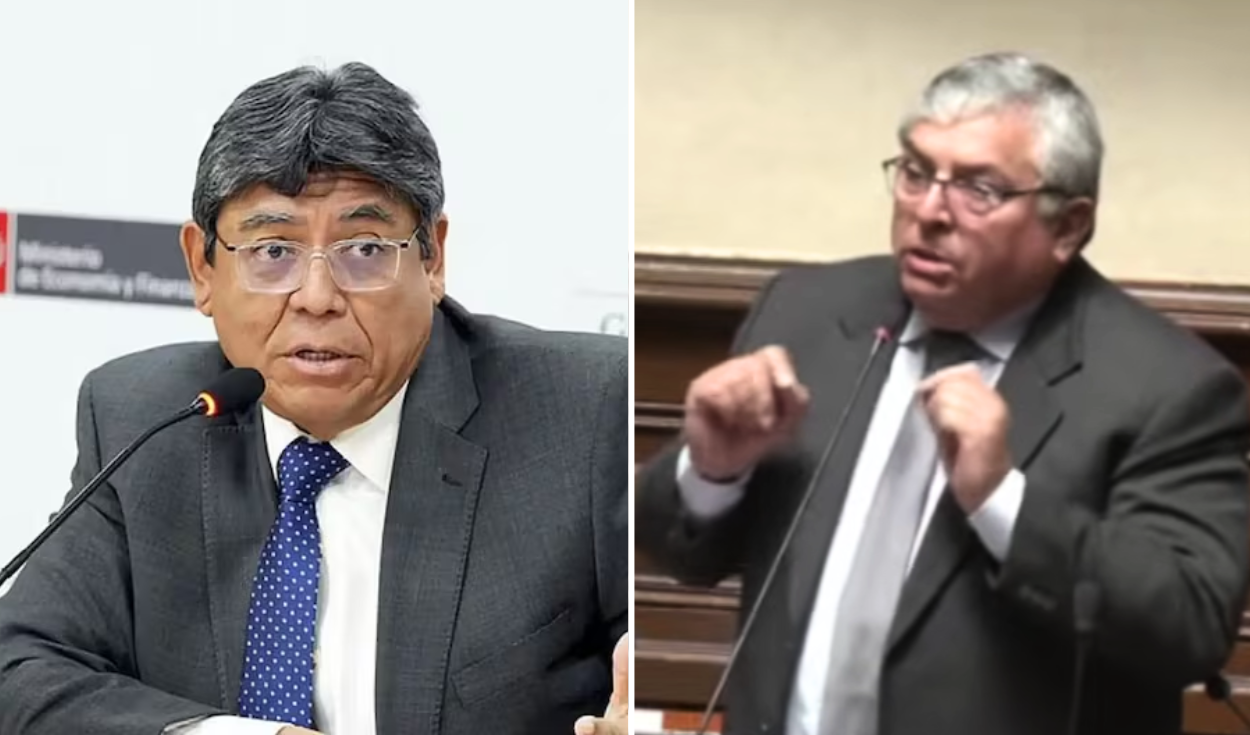
Peruvian lawmaker Fernando Garcia Huby has strongly criticized Economy Minister Elmer Cuba in the Chamber of Deputies over tax exemptions granted to large corporations.
Speaking during a parliamentary session following an address by Prime Minister Luis Galarreta, the Buen Gobierno bench deputy accused the economic leadership of maintaining double standards. He stated that government officials remain silent on corporate tax breaks while actively seeking to strike down public worker benefit legislation.
The controversy surrounds four laws passed during the 2021 to 2026 congressional term that the Executive branch plans to challenge before the Constitutional Court, arguing they impose an unsustainable burden on public state accounts.
Tax exemption accusations and fiscal consistency
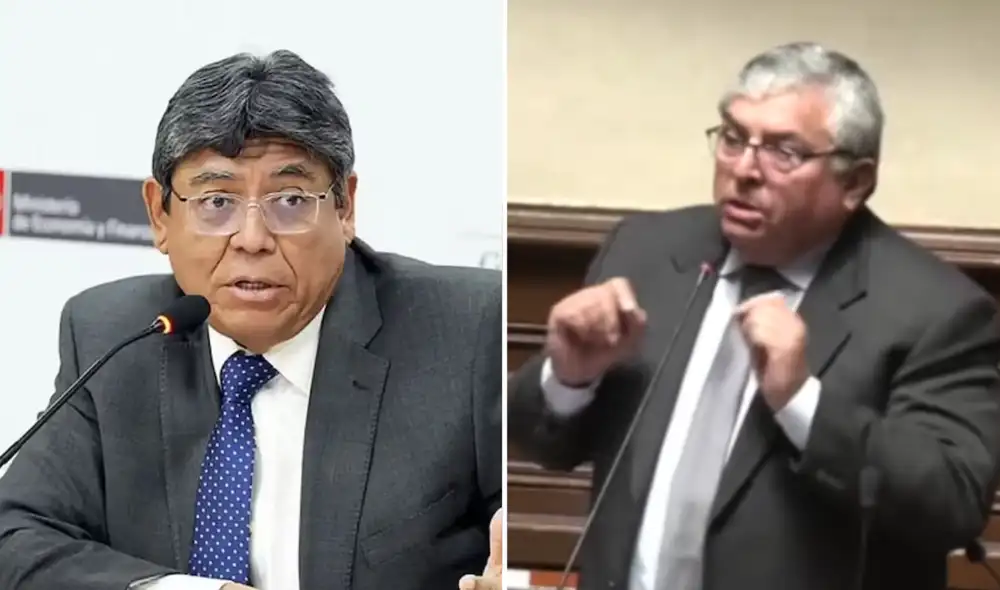
Garcia Huby questioned the initial actions and priorities of Economy Minister Elmer Cuba during his address in the Lower House. He argued that whenever proposals arise to improve living conditions or benefits for workers and citizens, government officials claim that state coffers cannot support the expense.
However, when granting tax exemptions to major economic groups, the minister of economy and executive leadership remain silent rather than asking Congress to reconsider those tax breaks, the deputy said. He called on the minister to show greater consistency in managing public resources and economic policy.
Garcia Huby emphasized that asking the court to strike down worker pension and benefit laws reflects a complete lack of empathy. He reminded officials that behind the contested legislation are real individuals, including teachers, police officers, military personnel, and public servants.
In Peruvian governance, the Executive branch manages national budget allocations and public fiscal policy, while Congress enacts statutory laws. The Constitutional Court, known locally as the Tribunal Constitucional, serves as the ultimate judicial authority tasked with assessing whether congressional statutes comply with the national constitution.
Details of challenged public sector worker laws
The Executive branch seeks to repeal four specific laws enacted by the 2021 to 2026 Congress, claiming they transfer significant financial obligations to the state that threaten long-term public accounts.
According to figures presented by the government, the four laws carry a combined annual fiscal cost estimated at 30 billion Peruvian soles, which represents approximately 5 percent of Peru's gross domestic product.
Economist Mario Vergara explained the individual breakdown of each law during an interview with the Latina broadcast network. The first measure increases pensions for retired teachers to equal 3,500 soles per month, carrying an estimated annual cost of 8 billion soles. Vergara noted that this creates a notable disparity when compared with baseline pensions of 600 soles received by other public retirees.
The second law modifies the pension system for military and police personnel, which carries an estimated annual cost of 15 billion soles.
The third law grants annual holiday bonuses and length-of-service compensation, known as CTS, to workers under the Administrative Service Contract, or CAS, regime. That measure carries an estimated annual cost of 3 billion soles.
The fourth law standardizes incentives under the Assistance and Stimulus Fund Administrative Committee, known as CAFAE, for civil servants operating under Legislative Decree 276. That legislation is projected to cost 2.6 billion soles annually.
Within Peru's public administration, the CAS contracting system was originally introduced in 2008 as a temporary labor arrangement that historically lacked standard employment benefits. Legislative Decree 276, established in 1984, governs career civil servants, for whom CAFAE funds provide regular supplementary economic allowances.
Criticism of cabinet leadership and emergency response
Garcia Huby extended his criticism to the broader Cabinet, asserting that several ministers are failing to meet the required political standard. While acknowledging that some cabinet members possess adequate academic qualifications and technical expertise in their fields, he argued that they lack political positions based on respect and empathy for the population.
Specifically, the lawmaker rejected the actions of Interior Minister Cesar Astudillo, criticizing his decision to ratify General Oscar Arriola as commander general of the National Police of Peru.
The National Police of Peru, operating under the Ministry of the Interior, serves as the country's primary law enforcement organization responsible for maintaining domestic order and public safety.
Garcia Huby also condemned insensitive public statements made by a government minister regarding recent flooding in Lima Sur. He noted that the official dismissed water rising above knee level on television, failing to show concern for residents in southern districts who lost their lifetime investments and property.
Lima Sur encompasses several southern periphery districts of Lima, where low-income communities face recurrent flood hazards and mudslides during rainy seasons due to vulnerable infrastructure along riverbanks and hillsides.
Prime minister proposals on prison population
The parliamentary debate followed a presentation by Prime Minister Luis Galarreta in the Chamber of Deputies outlining executive priorities.
During his address, Galarreta proposed transferring individuals incarcerated for minor offenses to newly designated detention spaces. The prime minister noted that this initiative would include individuals sentenced for failing to pay child support obligations.