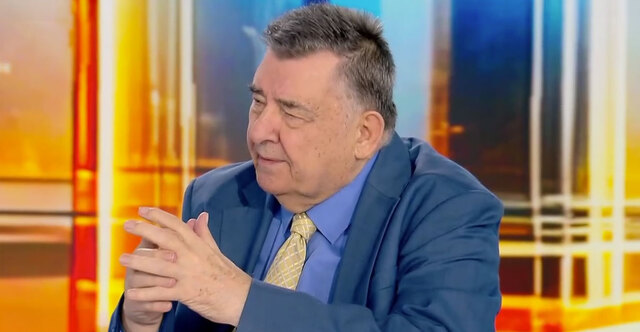

Peruvian author Jaime Bayly said politicians in Peru always find a way to disappoint voters, speaking in an interview with newspaper La Republica.
Bayly explained that he had resolved never to vote or support any political candidate again because he knew he would later regret it. He added that while Peruvian politicians are a disaster, the current era is not the worst in the country's history because the economy continues to perform well, unlike during the military dictatorships of Juan Velasco Alvarado and Francisco Morales Bermudez or the first government of Alan Garcia.
Addressing current political figures, Bayly criticised President Jose Jeri, whose image has faced severe scrutiny in recent months. Bayly stated that he struggled to understand Jeri's actions, remarking that the president is unprepared for office, makes clumsy beginner mistakes, and that one cannot ask a mouse to turn into a cat. He noted that Jeri's term will leave him stained, regardless of whether he finishes his mandate. Turning to Lima mayoral candidate Rafael Lopez Aliaga, who stated he would serve as a city councillor if he lost the mayoral race, Bayly described him as a religious conservative linked to Opus Dei who defends anti-liberal ideas rather than a figure akin to Donald Trump. He added that Peru's political landscape remains so unpredictable that any candidate could win the upcoming presidential election, even those currently polling at just one per cent, while noting that Keiko Fujimori's government faces internal contradictions among ministers over issues including the Place of Memory (LUM), train projects, and El Nino weather patterns.
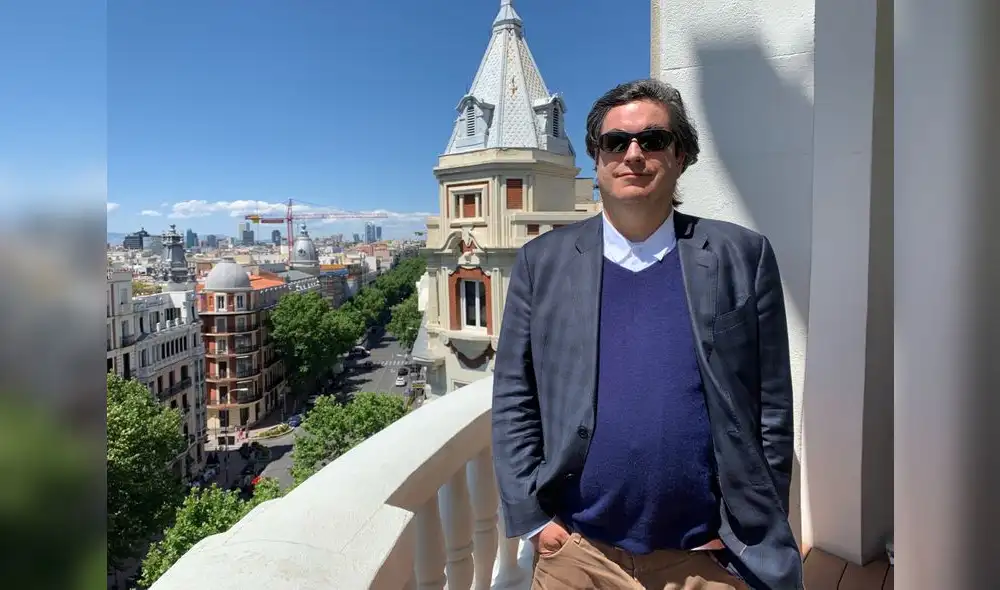
New novel on Venezuelan coup
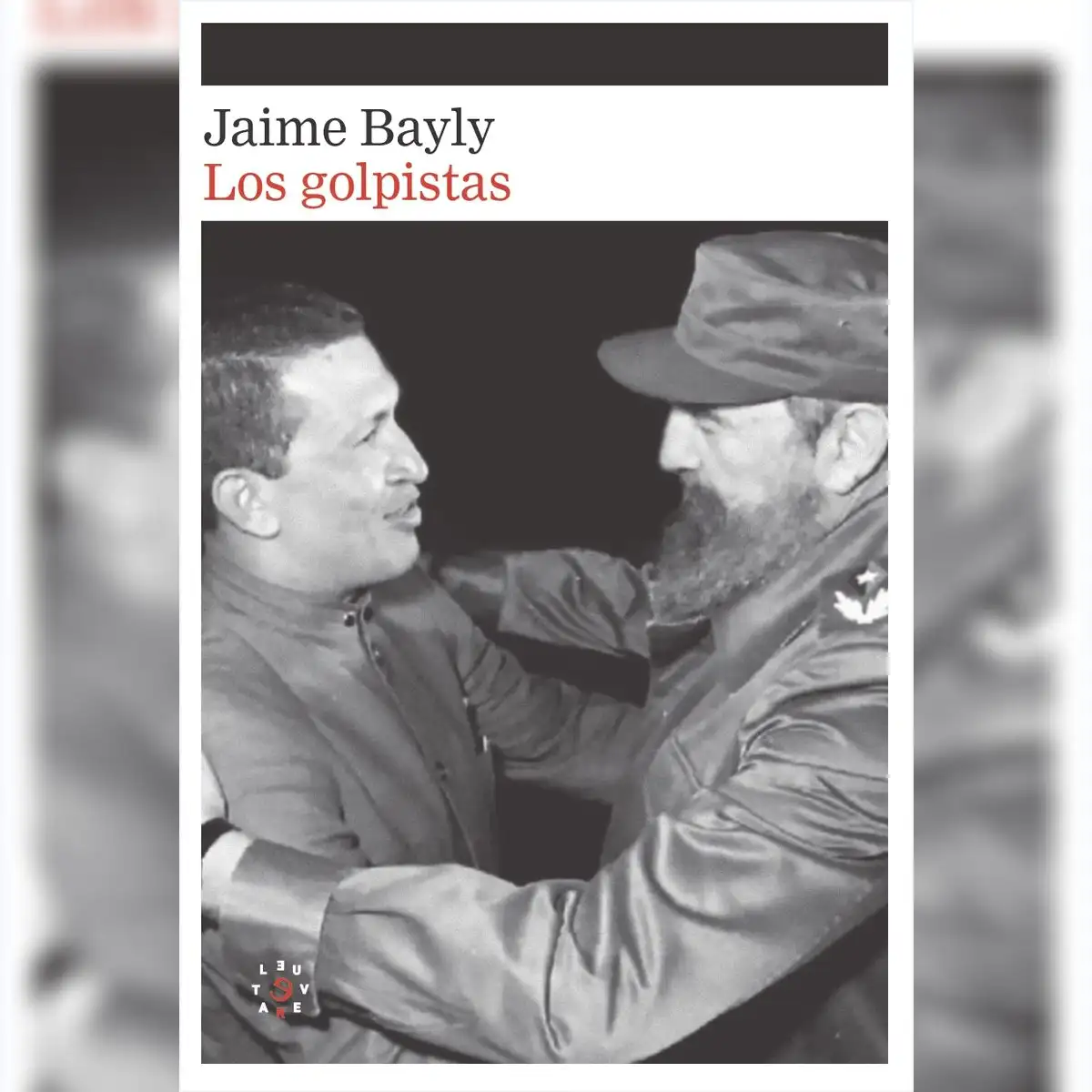
The interview coincided with the release of Bayly's latest novel, Los golpistas, published by Galaxia Gutenberg and Revuelta. The book explores the military coup that briefly ousted Venezuelan President Hugo Chavez between 11 April and 13 April 2002. Bayly described the three-day coup as an absurd and esperpento-like event that succeeded on its first day when Chavez was detained due to his dictatorial attitudes, but collapsed by the third day after conspirators repented and returned Chavez to power.
Bayly explained that the military officers involved were amateurs who did not know whether to execute Chavez, send him to Havana, or put him on summary trial. He noted that Chavez often bordered on the ridiculous due to his immense vanity, florid speech, and seductive personality. The author originally intended to title the novel Cabrones de mala entrana, meaning evil-hearted bastards, but changed the name because he did not want to begin the story by directly insulting his main characters.
To write the book, Bayly drew on 20 years of off-camera conversations with Venezuelan politicians, writers, journalists, singers, musicians, and comedians who appeared on his television programme. He sought to understand why the plotters surrendered power back to Chavez, a puzzle none of his interviewees could fully explain. He also detailed how Chavez suffered lifelong psychological trauma from childhood beatings by his mother.
Influence of Fidel Castro and power
In Los golpistas, Cuban leader Fidel Castro plays a decisive role in shaping Chavez's trajectory. Bayly recounted how Castro advised Chavez, after his release from prison and travel to Havana, to abandon military coups, form a political party, register his candidacy, and win elections because the public loved him. Castro told Chavez that the public was female and he was the male, requiring him to seduce the electorate before carrying out his revolution. Bayly described Castro as a charismatic yet malevolent dictator who survived for decades because he could spot treason in his friends' eyes and did not hesitate to execute them.
Bayly also highlighted a meeting in Havana for Castro's birthday involving Castro, Chavez, and Colombian author Gabriel Garcia Marquez. According to Bayly, Garcia Marquez held more true power than either dictator because he understood that entering formal politics would diminish his standing. Fidel and Chavez sought advice from Garcia Marquez rather than offering it, as the author was drawn to the feeling of being part of history rather than holding political office.
Reflecting on political authority, Bayly stated that power acts as an addictive narcotic, arguing that when a narcissistic man falls in love with power, disaster follows. He compared the vanity of Castro and Chavez to former United States President Donald Trump, whom Bayly described as a figure with a head devoid of ideas or ideals whose sole ambition is to use power to intoxicate himself and crush his enemies.
Literary origins and Mario Vargas Llosa
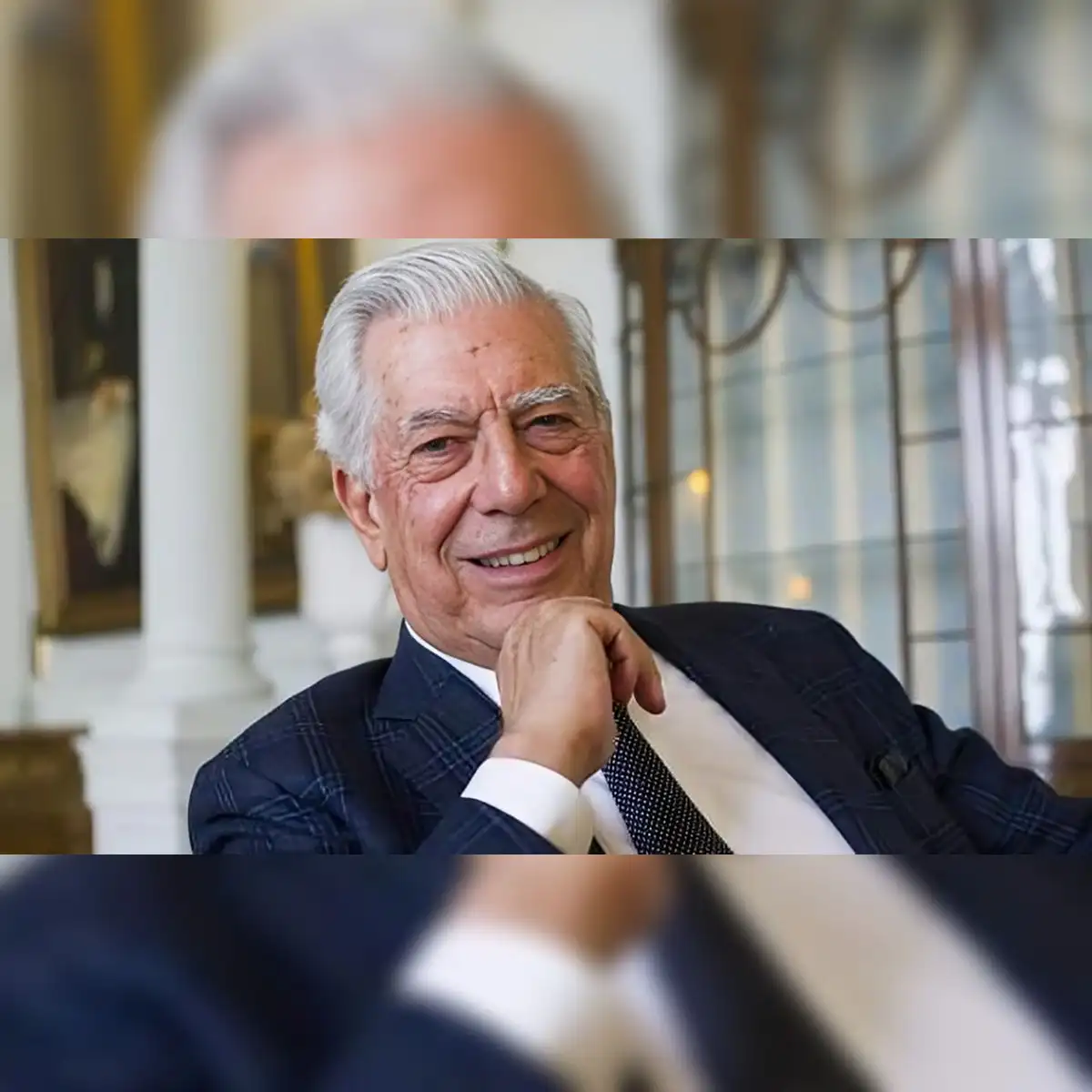
The new book follows Bayly's 2023 novel Los genios, which won critical acclaim for investigating the fallout and punch between Nobel laureate Mario Vargas Llosa and Gabriel Garcia Marquez. Recalling his friendship with Vargas Llosa, Bayly described living in Georgetown, Washington D.C., in 1993 while writing his debut novel No se lo digas a nadie. At the time, Vargas Llosa and his wife Patricia were also residing in Georgetown while Vargas Llosa taught at the university.
Bayly recalled dining with the couple at the French restaurant Au Pied de Cochon and attending cinemas on Wisconsin Avenue in a black Mercedes borrowed from his sister-in-law Liza. He remembered watching Vargas Llosa walk past his window on 35th Street with a determined stride as if going to war. After Bayly completed his long manuscript, Vargas Llosa read it and met him at the Palace Hotel in Madrid, before Vargas Llosa bought his flat on Calle Flora, to offer suggestions that enriched the final text. Following the birth of Bayly's daughter Camila at Georgetown University Hospital, Bayly and his wife Sandra presented her to Mario and Patricia, taking photos of Vargas Llosa holding the infant that Bayly considers treasures. Bayly added that Vargas Llosa's novel Conversacion en la Catedral marked him most deeply as a reader due to the relationship between Santiago Zavala and his father Fermin, and Fermin's secret homosexuality and love for his driver.
Discussing his dedication to writing, Bayly stated that he has earned his living with words since the age of 15 and writes out of passion rather than money. He explained that if he does not write, he gets sick and dies, making writing essential for his survival. Addressing his shift away from writing semi-autobiographical novels about his own past, Bayly credited his wife and medical treatment with resolving long-standing chemical unhappiness. He stated that he is now at peace with his life and past failures. Because happiness conflicts with art, he explained that he no longer finds literary material in his daily life and now looks to the lives of others for creative inspiration.
Advice for journalists and connection to Peru
Addressing the future of journalism, Bayly offered advice to young reporters entering the profession during a period of rapid industry changes. He stated that a good journalist must be brave and risk their job with every question, interview, investigation, and report, adding that reporters who fear unemployment are crippled. He insisted that journalists must always stand in opposition to ruling power, warning that any journalist who aspires to hold political office has committed professional suicide. He further emphasized that curiosity and reading are essential for reporters, warning that without extensive reading, journalists risk becoming mere gossips.
Bayly, who moved away from Peru following Alberto Fujimori's coup and previously returned to Lima to host his television show El Francotirador, expressed gratitude for his current relationship with Peruvian readers. He noted that during his visits to Lima to embrace his mother, readers no longer ask when he will return to television, but instead ask when his next book will be published.