

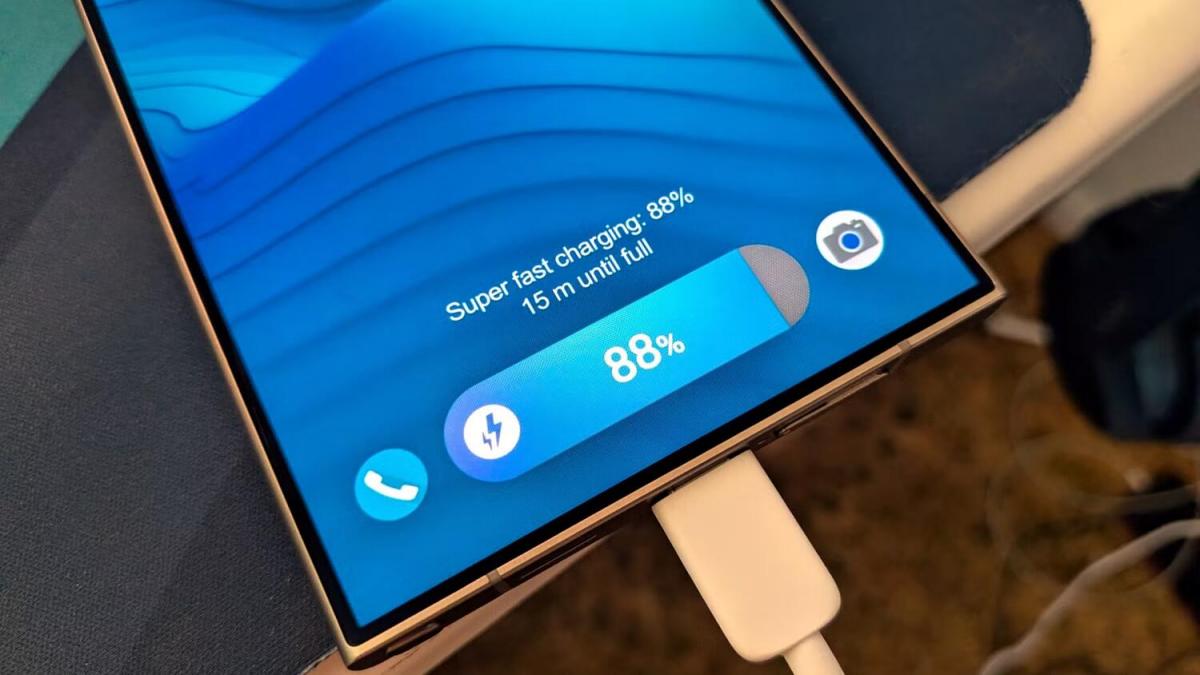
Fast charging has long been blamed for degrading smartphone batteries, but experts at HowToGeek say the technology has almost no effect on battery deterioration. The real culprits, they argue, are everyday user habits.
Modern smartphones use intelligent charge management systems. A device rated at 60 watts does not deliver that power constantly. Maximum wattage is used only when the battery is low, and charging slows once it reaches roughly 70 to 80 percent, reducing the heat that experts consider the primary driver of lithium-ion battery aging.
What Actually Damages Your Battery
Regularly draining a phone to zero is one of the most common mistakes. Although modern devices prevent a true zero-percent discharge, deep discharge cycles still place extra strain on the battery, require more energy and time to recover, generate more heat, and burn through charge cycles faster.
Keeping a phone permanently plugged in is equally harmful. A battery hovering between 99 and 100 percent creates constant mini charge cycles. Experts say lithium-ion batteries perform best when kept between roughly 20 and 80 percent, which is why many modern phones include battery protection and adaptive charging features.
Heat is the greatest enemy of any lithium-ion battery. Experts advise against leaving a smartphone in direct sunlight or inside a car during summer, and recommend avoiding long gaming or navigation sessions when the device is already noticeably warm. Thick protective cases can also reduce the phone's ability to shed heat.


