
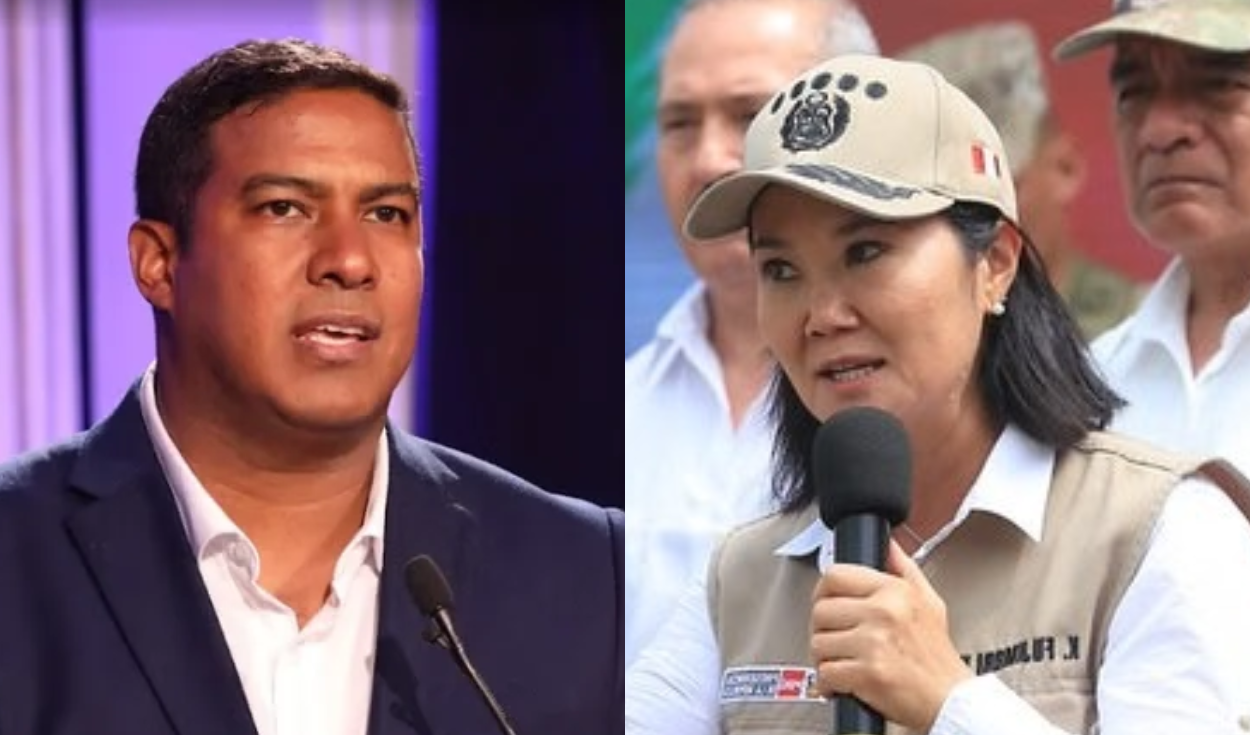
Peruvian congressman Ernesto Zunini has accused the Fujimori administration of inaction after failing to issue emergency decrees on crime and El Niño prevention.
Zunini, a lawmaker representing the left-wing Juntos por el Perú coalition, said on his official social media channels that the executive branch had improperly pressured Congress to expedite delegated powers but had produced zero regulations ten days later.
Minister of Agrarian Development and Irrigation Marco Vinelli rejected the criticism on Monday, explaining that draft decrees must undergo rigorous legal scrutiny across multiple government bodies before reaching the cabinet. Vinelli announced during an interview with broadcaster Exitosa that the executive expects to release its initial package of decrees within roughly three weeks.
The dispute centers on emergency powers granted to the executive to tackle rising violence and prepare vulnerable coastal communities for severe weather. Zunini argued that while criminal gangs continue to expand their activities and the window for disaster prevention narrows, the administration has failed to demonstrate concrete proposals despite demanding immediate legislative cooperation, declaring that there are no longer any excuses.
Congressional delegation of legislative powers
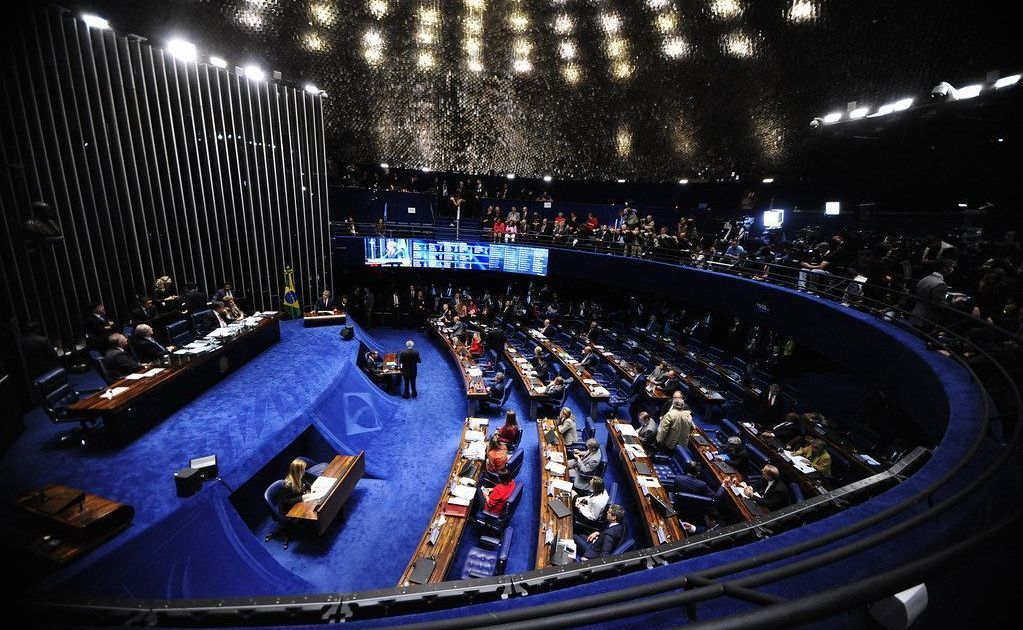
The controversy stems from a legislative package passed by the plenary session of the Peruvian Senate on October 21. Senators endorsed the delegation of authority by a vote of 35 in favor, granting the executive temporary authority to legislate by decree on designated security and environmental priorities.
Two days before the plenary vote, the Senate Constitution Committee expanded the scope of the draft bill originally formulated by the Chamber of Deputies. The committee introduced seven additional policy matters into the text, increasing the total delegation from 20 to 27 distinct areas. Of those seven new provisions, six addressed citizen security concerns, while one focused on managing the impending effects of the El Niño weather phenomenon.
In Peru, the legislative branch operates through a bicameral assembly composed of the Chamber of Deputies and the Senate. Delegated legislative powers allow the presidency and cabinet ministers to enact binding decrees without submitting every article for separate legislative debates, a mechanism designed to accelerate responses to complex governance challenges while preserving legislative oversight after publication.
Expanded measures against organized crime
The security provisions approved by lawmakers grant the executive wide leeway to overhaul domestic policing and prison supervision. Under the approved text, the Peruvian Armed Forces are authorized to participate in external perimeter surveillance around correctional facilities, though soldiers will not assume direct penitentiary administration duties.
Lawmakers also authorized the executive to establish specialized surveillance mechanisms and a dedicated registry for individuals who have served sentences for contract killing, extortion, and involvement in organized crime syndicates.
In addition, the delegated powers include targeted adjustments to Legislative Decree 1095, the statute governing military rules of engagement within national territory. The revision formally allows armed forces intervention in support of the Peruvian National Police whenever civilian law enforcement capacity is overwhelmed.
Further penal updates permit the government to amend the Law against Organized Crime to classify criminal syndicates that deploy firearms or explosives to spread public fear, while keeping the statutory legal definition of terrorism unchanged.
The delegation also instructs the cabinet to modify the Penal Code to establish a legal presumption of legitimate self-defense for citizens protecting themselves against unlawful aggression. A related reform to Legislative Decree 1141 aims to strengthen joint intelligence coordination between the National Intelligence Directorate, known as DINI, and the broader national intelligence system.
El Niño preparation and executive timelines
On climate resilience, Congress authorized the simplification of administrative procedures to speed up construction under the National Infrastructure Plan against El Niño. Peru frequently faces destructive rainfall, river flooding, and coastal mudslides triggered by the cyclical warming of Pacific waters, which severely damages farmlands, transport routes, and vulnerable towns across the northern coast.
The Ministry of Agrarian Development and Irrigation plays a central operational role in disaster preparedness, directing flood defenses, riverbank barriers, and rural drainage systems across agricultural regions most exposed to extreme weather.
Responding to accusations of unreasonable delays, Vinelli emphasized that transforming delegated topics into published decrees requires an extensive administrative process across several public agencies.
Vinelli explained that each proposed measure must travel through the executive apparatus, starting with technical directorates and ministry legal teams before advancing to the Presidency of the Council of Ministers and deputy ministerial review committees.
Once line ministries complete their drafts, the proposals must obtain collective approval from the full Council of Ministers. Vinelli noted that the prime minister had already outlined this timetable, maintaining that the initial decrees would emerge over the coming three weeks once final cabinet clearance is complete.