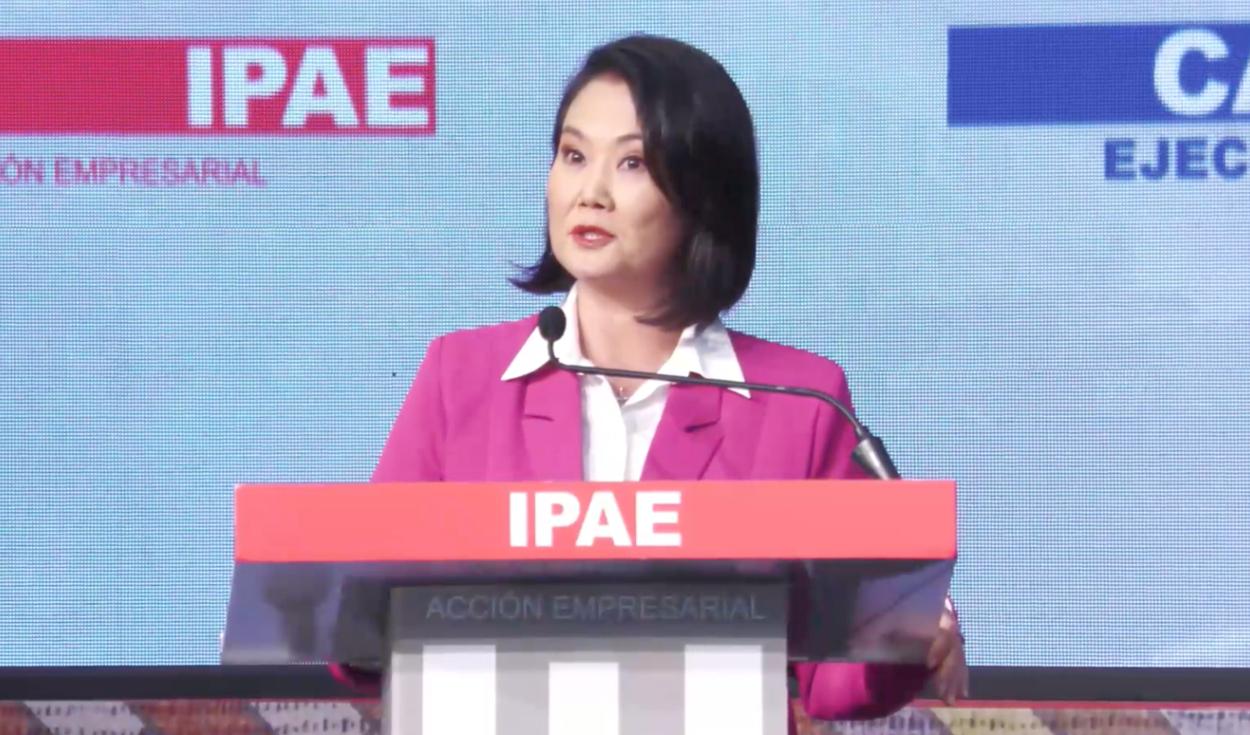
Spanish economist Santiago Calvo has disputed Prime Minister Pedro Sánchez's claim that people earning less than 11,000 euros a month receive more from the welfare state than they pay in taxes, citing figures from the Foundation for Applied Economics Studies (Fedea).
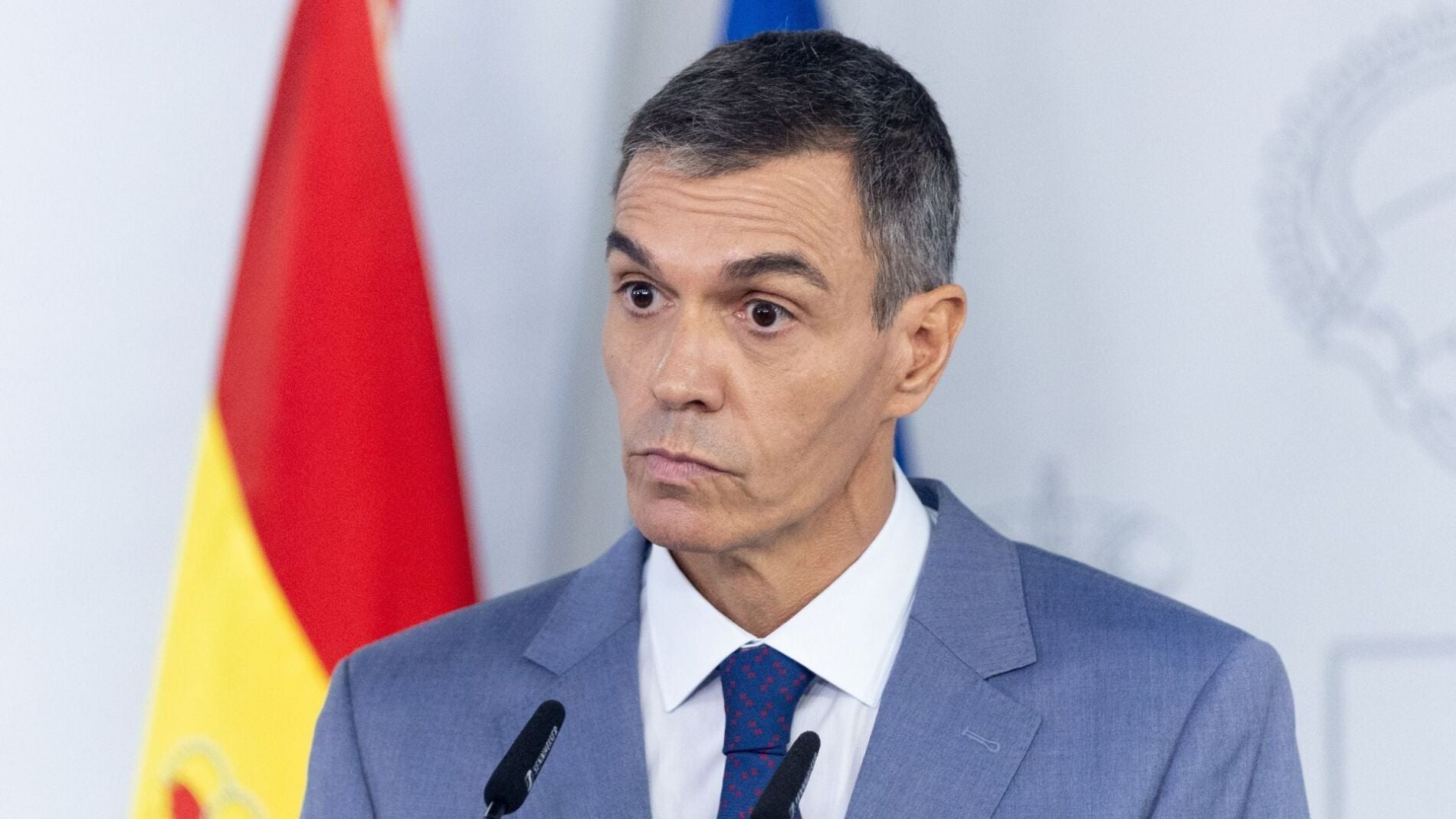
Calvo argued in a post on X that 45.4% of households with gross incomes below 9,355 euros a month already pay more than they receive. He added that even among households earning between 3,059 and 4,480 euros a month, the share of net contributors reaches 47.2%.
Calvo said his figures were meant to challenge the idea that there is a fixed income threshold below which all citizens necessarily receive more in benefits than they contribute. He said the comparison takes into account pensions, healthcare, education and other social benefits.
Workers versus pensioners
Calvo also pointed to a generational divide in how resources are redistributed. He calculated that 11.3 million households whose main income comes from salaried work pay, on average, 14,782 euros a year more than they receive from the welfare state.
By contrast, he said the 5.9 million households whose main income is a pension receive benefits and services that exceed what they pay in taxes and contributions by an average of 25,916 euros a year.
Calvo said this gap shows the system redistributes resources not only between households with different incomes but also between generations, with working households helping to fund benefits that go to pensioner households.
The age factor
Calvo raised a further point about age. He said that, on average, a person pays more in taxes and contributions than they receive in benefits between the ages of 24 and 63. Even when spending on defence, security and other collective services is included, he said the balance remains negative between the ages of 26 and 62.
The dispute follows comments Sánchez made to YouTuber Plex, in which he said that someone earning less than 11,000 euros a month clearly receives more from the welfare state than they pay through taxes. Sánchez also used the example of a family with 50,000 euros in gross annual income to argue that paying taxes pays off because of the services and benefits the public system provides.
What Fedea's report says
Fedea's latest Observatory report, published in April 2026 using 2023 data, analyses how taxes and benefits are distributed among Spanish households. Using its standard methodology, the report concludes that the three lowest income quintiles are, on average, net beneficiaries, while the two highest quintiles are net contributors. The report also offers an alternative method that treats contributory pensions as deferred wages, which changes the redistribution result.
Fedea's analysis looks at households rather than individual salaries, and its conclusions change depending on how contributory pensions and other items are treated. The specific percentages and balances that Calvo cited should therefore be understood as calculations he draws from that data, not as a claim that every worker of a given age or income level has the same balance.
Test yourself
What did Santiago Calvo say about households earning under 9,355 euros a month, according to Fedea data?
According to Calvo's figures, how much more do salaried households pay per year than they receive from the welfare state?
Where did Pedro Sánchez originally make his comment about the 11,000-euro threshold?
Have your say
Do you think Spain's tax and welfare system redistributes resources fairly across income levels?
Where it happened
Madrid, Spain