


Sleep physician Dr Eduard Estivill has warned that repeated, untreated breathing pauses during night-time sleep can cause severe oxygen deprivation that damages the heart and increases the risk of fatal heart attacks.
Speaking in an extensive video interview on YouTube, the sleep specialist explained that overnight oxygen drops place excessive stress on the cardiovascular system, creating long-term risks for patients who leave the condition unaddressed.
Estivill emphasized that his warning specifically targets repeated, untreated obstructive sleep apnea rather than occasional snoring. He noted that while occasional snoring does not signal an impending cardiac event, precise distinction is essential so that headlines do not induce unnecessary fear while ensuring that warning signs deserving medical study are not normalized.
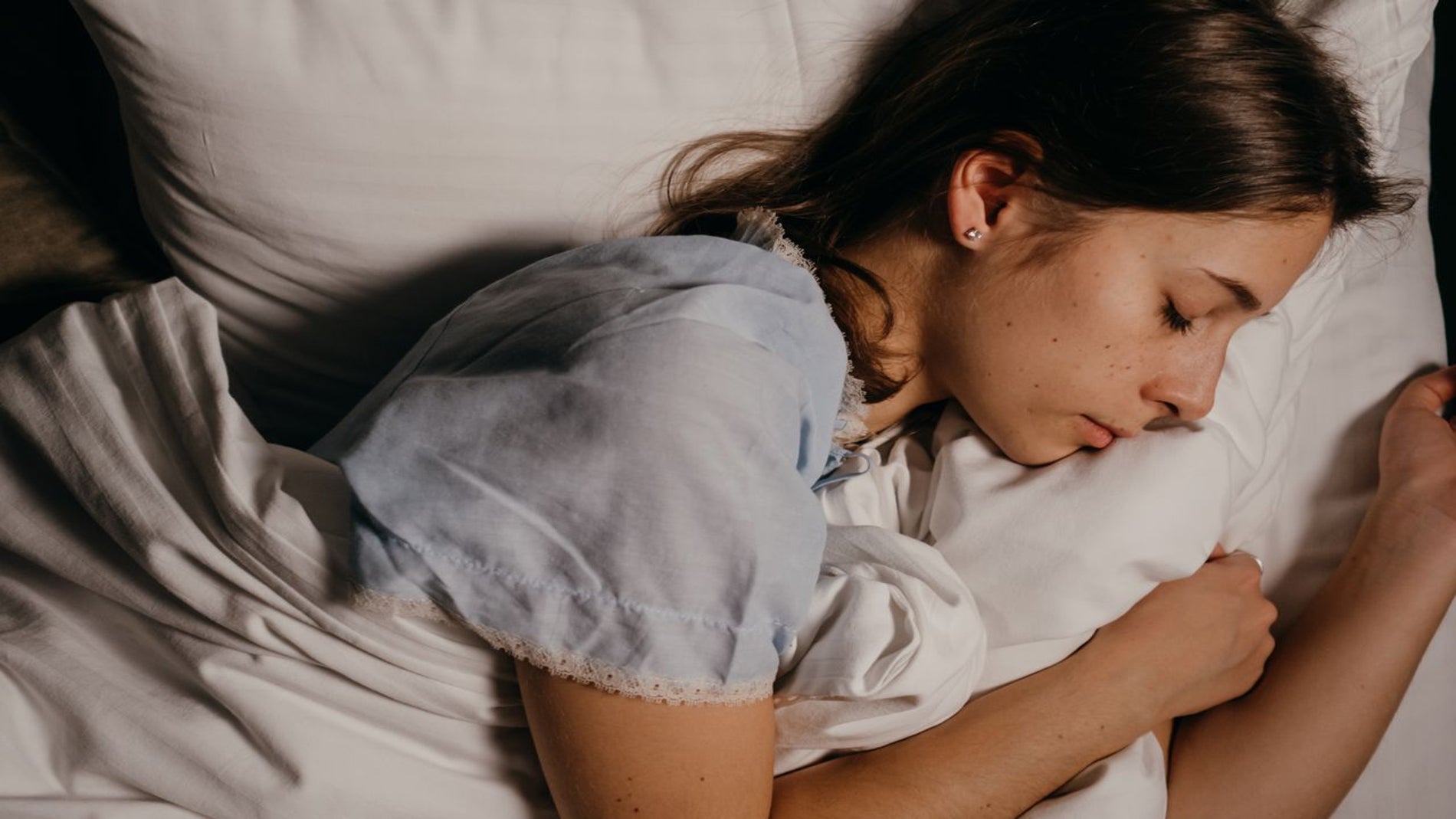
Obstructive sleep apnea is a widespread sleep-related breathing disorder characterized by recurring blockages of the upper respiratory tract during sleep. Dr Eduard Estivill, a leading Spanish specialist in sleep medicine and neurophysiology, has spent decades researching sleep disorders and educating the public on how disrupted sleep patterns directly impact systemic health.
Cardiovascular strain during sleep pauses
During an episode of obstructive sleep apnea, muscles in the throat relax excessively, leaving the airway partially or completely blocked. Each subsequent drop in blood oxygen levels triggers a stress response that increases sympathetic nervous system activity, causes sharp blood pressure fluctuations, and forces the heart to function under compromised conditions.
When this cycle repeats dozens of times per hour over many years, the physical burden on the cardiovascular system accumulates significantly. The American Heart Association, a non-profit medical organisation that publishes scientific guidelines on cardiovascular health, explicitly links untreated sleep apnea to hypertension, atrial fibrillation, coronary heart disease, heart failure, and stroke.
Medical evidence demonstrates that individual cardiovascular risk cannot be calculated simply from the volume of a person's snoring. Instead, an individual's specific risk depends on the measured severity of their sleep apnea alongside established factors including age, body weight, tobacco use, diabetes, and other co-existing medical conditions.
Sleep fragmentation and daytime risks
Beyond direct cardiac strain, sleep apnea severely fragments night-time rest through recurring micro-awakenings. As sleep specialists explained to Spanish daily newspaper La Razón, an affected person can spend eight full hours in bed and still wake up feeling completely exhausted because brief interruptions prevent the brain from sustaining restorative sleep.
This chronic lack of restorative sleep leads to excessive daytime sleepiness, impairing concentration and mental performance throughout the waking hours. Medical experts warn that daytime sleepiness significantly elevates the risk of serious accidents while driving or working on the job.
Because breathing pauses occur during sleep, many individuals remain unaware of their own condition. Frequently, it is a bed partner who first notices long periods of quiet interrupted by sudden gasping, snorting, or choking sensations. Other clinical indicators that warrant a doctor's evaluation include morning headaches, dry mouth upon waking, persistent lack of concentration, non-restorative sleep, and high blood pressure that proves difficult to control.
While excess body weight increases the likelihood of developing obstructive sleep apnea, specialists emphasize that the condition is not limited to overweight adults. Sleep apnea can also affect slender individuals, women, and young children.
Diagnosis and clinical treatment
Physicians stress that sleep apnea cannot be diagnosed using smartphone audio recordings or smartwatches. While consumer devices may highlight noticeable breathing patterns, formal confirmation requires a professional medical evaluation and a clinical sleep study that monitors breathing, blood oxygen levels, heart rate, and awakenings. Estivill highlighted that counting apneas and tracking their duration is critical for grading the severity of the problem.
Treatment is tailored to the specific cause and severity of each case. Recommended measures may include weight loss when indicated, avoiding alcohol and sedatives in the evening, sleeping on one's side, wearing custom mandibular advancement devices, undergoing surgery in selected patients, or using continuous positive airway pressure therapy, commonly known as CPAP.
Doctors caution patients against purchasing self-administered solutions without medical advice or stopping treatment simply because snoring volume has decreased. Estivill stressed a clear domestic takeaway: a repeated breathing pause is not a joke to record and show the next day, but valuable clinical information that should be shared with a doctor, especially when accompanied by choking, daytime fatigue, or cardiovascular problems.


