
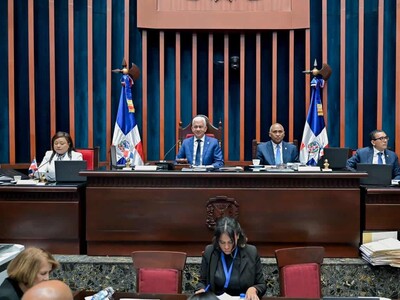
The Senate of the Dominican Republic has resumed consideration of a gambling regulation bill that would freeze new lottery licenses for a decade.
The legislative initiative, originally submitted by the executive branch, aims to curb the rapid growth of retail betting shops across the nation while introducing tough prison sentences for illegal operators.
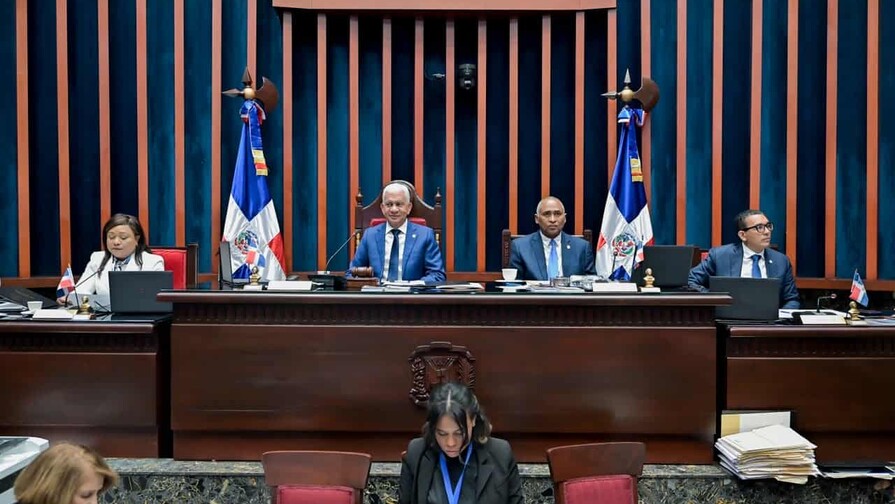
Senator Pedro Catrain, who chairs the Senate Finance Commission, announced on Wednesday, August 19, 2026, that lawmakers would begin analyzing the bill next week. Speaking during the committee's first meeting of the new legislative term in Santo Domingo, Catrain said members would review all amendments made to the text by the Chamber of Deputies.
The Senate is the upper house of the Dominican Republic's bicameral National Congress, based in the capital, Santo Domingo. Any proposed law must pass both the Senate and the Chamber of Deputies before it can be signed into law.
Consideration of the bill was previously paused near the end of the prior legislative session following complaints and criticism from gambling industry stakeholders. On July 24, just two days before that session concluded, the Senate came close to approving the measure in a single discussion. However, the process was halted after the lower house introduced several modifications. At the time, Senate President Ricardo de los Santos promised that the legislature would move the proposal forward during the current session.
Ten-year ban on new lottery permits
Under Article 190 of the proposed legislation, authorities would be prohibited from issuing new licenses for lottery betting shops for ten years. The sole exception to the decade-long moratorium applies to casinos established as part of new hotel projects.
Lottery and sports betting parlors, known locally in the Dominican Republic as bancas, are common storefronts in cities and towns across the Caribbean nation. Regulating their proliferation has been a central focus of government policy aimed at organizing the commercial sector.
In addition to halting sector expansion, the draft law establishes severe penalties for unauthorized gambling operations. Article 161 imposes prison terms of one to two years for individuals operating without a license or outside designated locations. Articles 162 and 163 prescribe sentences of up to ten years in prison for more serious offenses, including the use of front men and the concealment of gambling profits.
The measure also creates the General Directorate of Gambling, known by its Spanish acronym DGJA. Designed as an autonomous regulatory body, the agency will be responsible for supervising, regulating, and sanctioning activities throughout the sector.
Taxation and digital gambling controls
In the digital sector, Article 78 of the proposed law establishes a 10 percent tax on gross sales from online gambling. The provision also empowers regulatory authorities to block internet domains and IP addresses of unauthorized gaming platforms operating within the country.
To improve financial oversight, the bill orders the creation of a Single Registration System to consolidate betting data. The centralized system is designed to strengthen national mechanisms for preventing money laundering.
Zoning restrictions form another key component of the proposed law. Under Article 26, gambling establishments may not be located within 500 meters of schools, hospitals, or churches. For standalone lottery shops, that minimum distance requirement is set at 200 meters.
Slot machine limits and legislative deadline
The legislation also sets operational standards for electronic gaming equipment. Article 72 mandates that slot machines must return at least 85 percent of total bets to players. Additionally, the draft limits the maximum number of slot machines to 15 per sports betting shop.
Although the bill originated from the executive branch, it previously expired after failing to achieve timely approval. It was later re-introduced by several senators to restart the legislative process. If the National Congress does not approve the measure before January 2027, the initiative will expire once again.