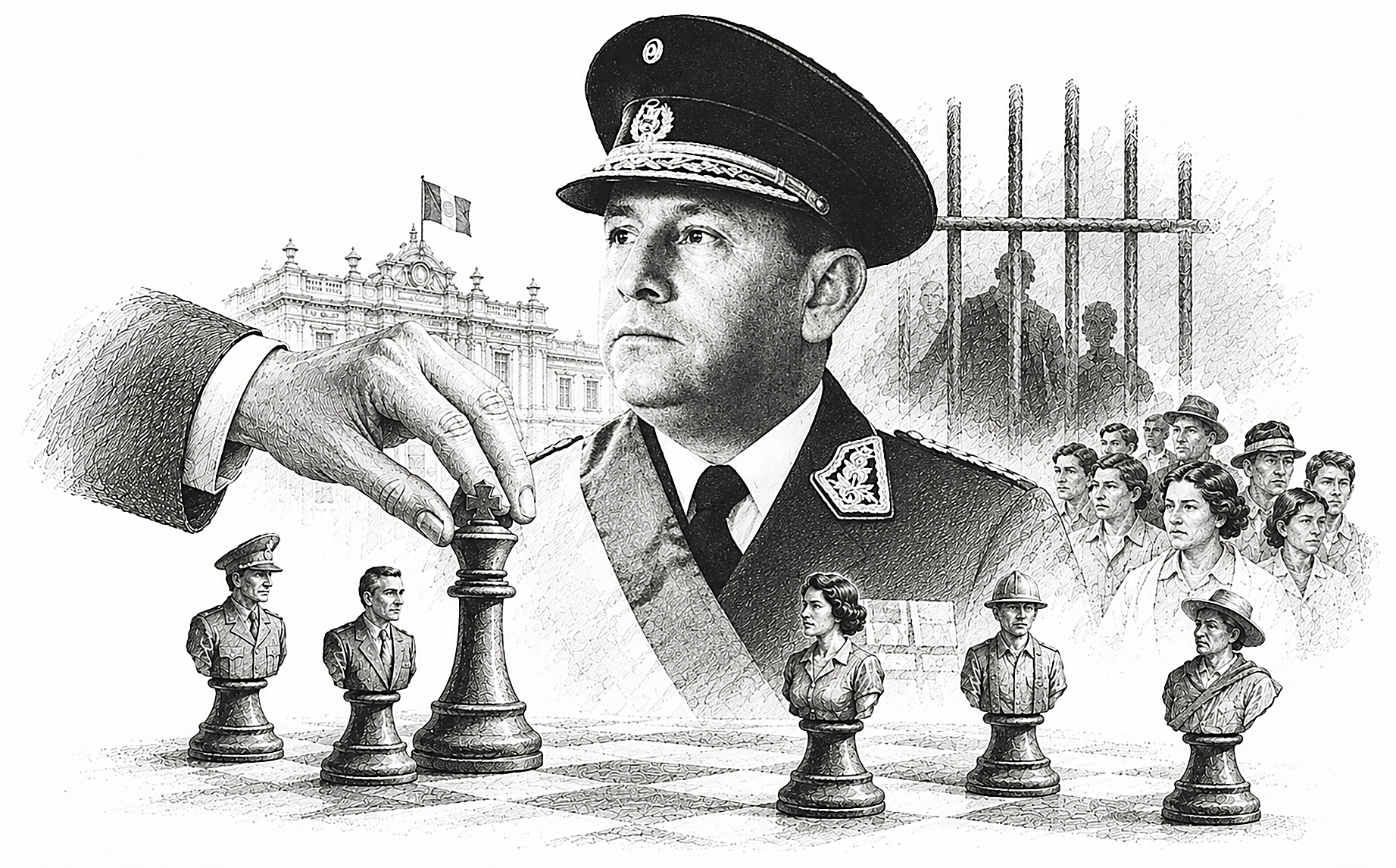
More than 40 people were killed by the National Police in the Dominican Republic during September, sparking intense debate over law enforcement conduct and state accountability across the Caribbean nation.
Major General Ernesto Rodriguez, the director of the National Police, referred individuals affected by the September deaths to the Public Ministry, noting that the prosecutorial body holds legal responsibility for investigating potential criminal infractions committed by police agents.
While President Luis Abinader, police leadership, human rights groups, and the opposition Dominican Liberation Party have all publicly addressed the deaths, the Public Ministry itself has remained a notable absence in the ongoing national discussion.
Internal Oversight and Police Protocols
Interior Minister Faride Raful stated that every incident reported as an exchange of gunfire is evaluated by the Inspectorate General and Internal Affairs. She noted that these internal oversight bodies review each case to determine whether the use of force adhered to official police protocols. However, the exact findings of these internal police investigations remain unknown to the public.
Critics and legal observers emphasize that extrajudicial executions may have occurred during the high number of fatal encounters in September. Historically, prosecutions of Dominican police officers have yielded mixed outcomes. Some officers have been convicted, while others were acquitted due to a lack of evidence or because victims' families abandoned legal proceedings owing to financial hardship and the exhausting process of navigating the country's overburdened court system.
Prosecutorial Priorities and Next Steps
The Public Ministry functions as the primary prosecutorial authority in the Dominican Republic, tasked with conducting official criminal inquiries. Observers suggest that the institution may currently be focused on high-profile corruption cases, leaving police killings without immediate prosecutorial intervention.
As the public awaits formal action from state prosecutors, concerns persist that fatal shootings will continue under the label of gunfire exchanges, affecting both individuals who confronted law enforcement and those who surrendered with raised hands.