

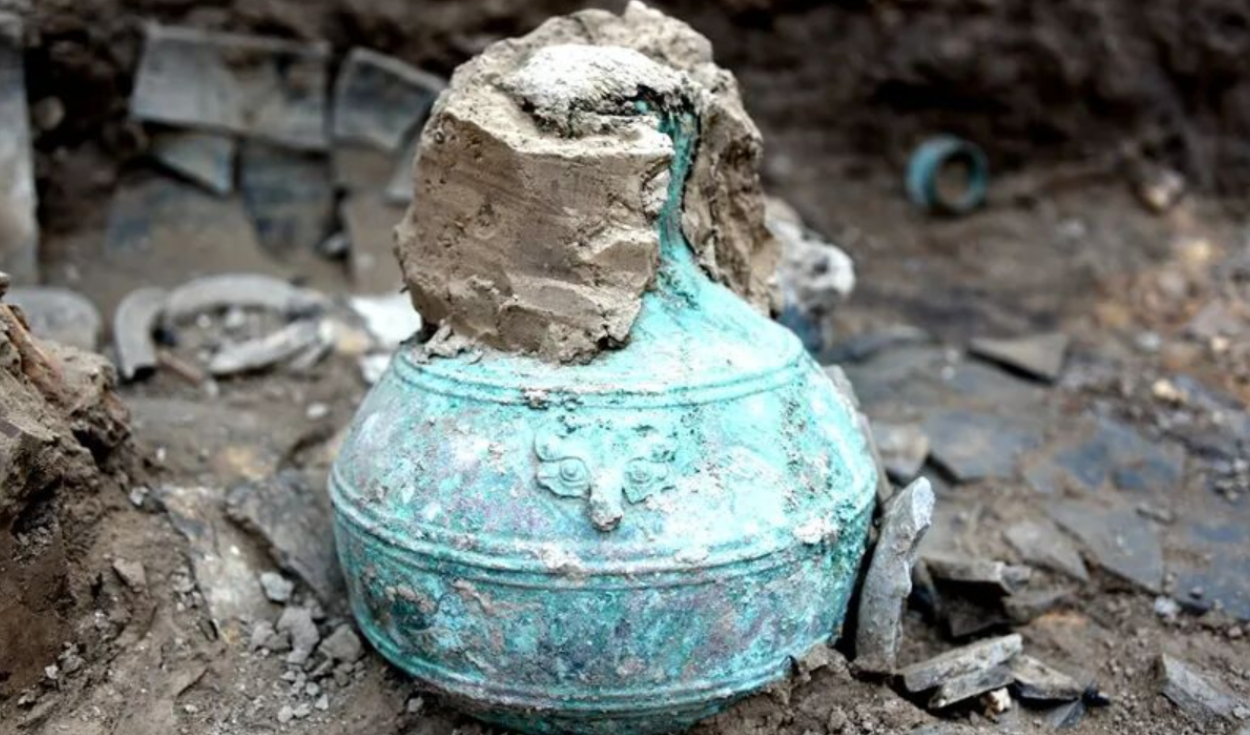
Archaeologists in China have discovered 2,300-year-old grain wine inside a bronze vessel at an ancient cemetery in the Hui region of Ningxia. The site is located near the Great Wall of Qin in Yuanzhou district, Guyuan city. According to the news agency Global Times, the cemetery belonged to the ancient Qin state during the Warring States period from 475 BC to 221 BC, an era contemporary with Aristotle.
Excavations at the location have uncovered 183 tombs dating to the Warring States period.
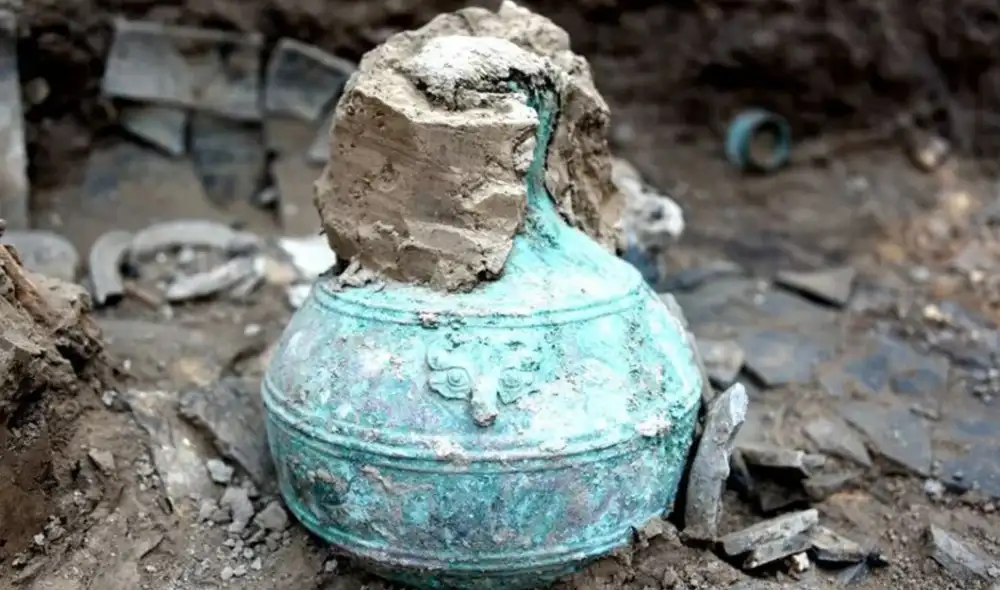
During the work, archaeologists recovered 3,740 milliliters of ancient liquid from a Qin-style bronze vessel shaped like a garlic head. A double-layer seal composed of textiles on the inside and mud on the outside protected the liquid, allowing it to survive for more than two thousand years with minimal evaporation.
Researchers noted that the find represents the most complete and best-preserved alcohol relic from the Qin state period ever publicly released in China.
Ingredient and chemical analysis
To analyze the liquid and reconstruct its brewing methods, a research team was formed by the Ningxia Cultural Relics and Archaeology Institute and the School of Cultural Heritage of Northwest University.
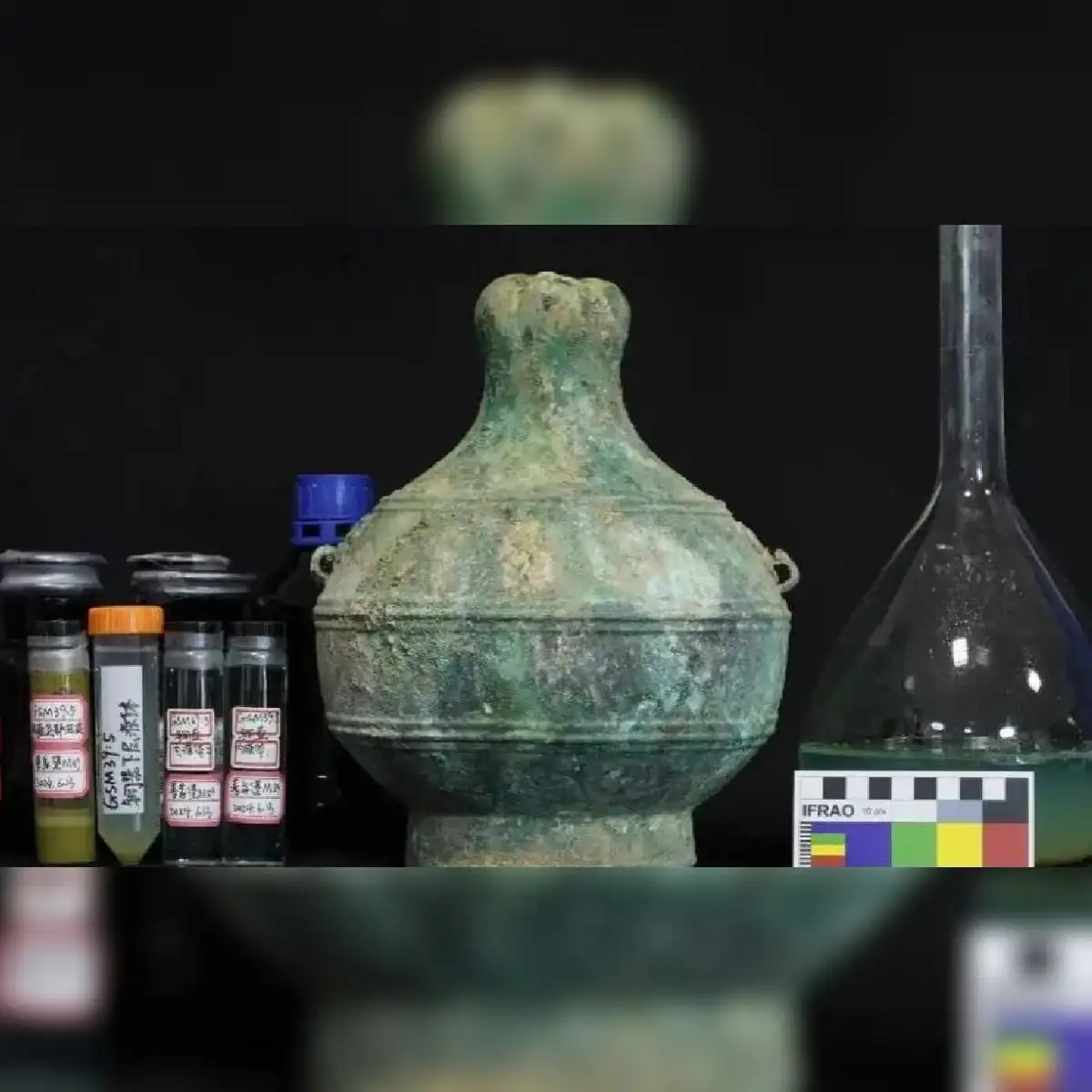
Microfossil analysis revealed that the main ingredients were broomcorn millet and Triticeae tribe grains, including wheat and barley. Advanced chemical testing identified 24 categories of compounds within the samples, including organic acids and their derivatives, amino acids, and carbohydrates.
The distribution pattern of the organic acids matched that of fermented huangjiu, or Chinese yellow wine, confirming the liquid was a grain-based alcoholic beverage.
Historical significance of the find
Study results show that the Qin people mastered grain fermentation more than 2,000 years ago. They utilized starter cultures capable of performing saccharification and fermentation simultaneously, demonstrating an advanced level of beverage technology during the Warring States era.
The discovery provides new information about pre-Qin agriculture, food culture, and craftsmanship. It also fills a gap in research regarding ancient grain wine production in the Ningxia region.


