Wall Street rebounded on Tuesday as falling oil prices dragged down bond yields, even though investors avoided major moves a day before critical inflation data and Nvidia's closely watched quarterly earnings.
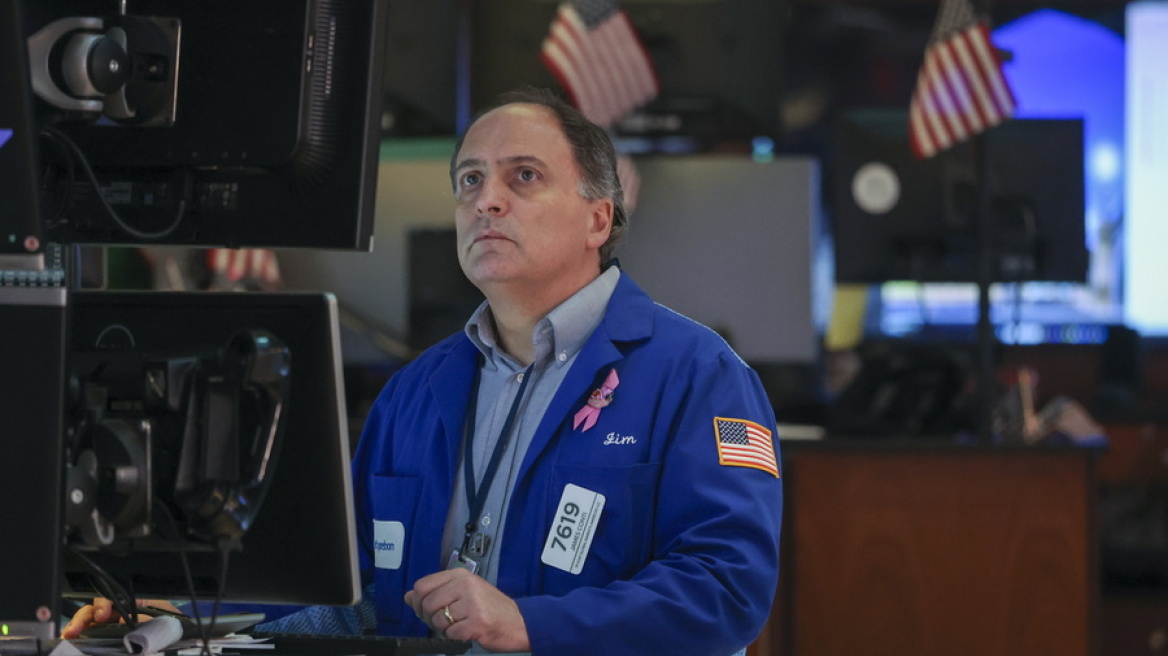
The Dow Jones Industrial Average rose 0.30% to 53,577 points, marking its third straight day of gains. The S&P 500 added 0.32% to close at 7,677 points, and the Nasdaq Composite climbed 0.66% to 26,151 points.
The technology sector had opened the week with losses, pressured by memory chip and semiconductor stocks. But buying interest returned on Tuesday, driven by three catalysts: easing bond yields, falling oil prices and expectations around Nvidia.
Bond Yields Ease on Treasury Buyback Reports
Yields fell for a second straight session, partly on reports that the U.S. Treasury Department may tap the Treasury General Account to support increased buybacks of long-term debt. The TGA functions as the federal government's checking account, a reserve held at the Federal Reserve that currently holds more than $900 billion.
The 30-year Treasury yield, which had been the main source of market anxiety in recent days, eased to 5.17%, though it remained above the 5% threshold. The 10-year yield lost about seven basis points to 4.637%.
Lower yields traditionally benefit high-valuation technology stocks because they reduce the rate at which future earnings are discounted.
Nvidia Ends Losing Streak Ahead of Earnings
Among the standout chip stocks was AMD, which jumped 5% after Raymond James upgraded the stock to "Strong Buy." Micron Technology, Arm Holdings, Intel and Meta also gained, along with Nvidia.
Nvidia, the leading maker of AI chips, rose nearly 2%, ending a seven-day losing streak, its longest in almost four years. The market is waiting anxiously for Nvidia's quarterly results, due Wednesday, which are seen as one of the most important tests yet for the broader AI trade.
Analysts Weigh In on the AI Trade
This year's AI-linked investments have been marked by sharp swings. A rally in April, May and June helped the wider market shake off shocks from the conflict in the Middle East and return to record levels. But concerns over whether the tens of billions of dollars tech giants are pouring into AI infrastructure will generate the expected returns have weighed on the sector and the broader market.
Seema Shah, head of global strategy at Principal Asset Management, said in a note that Nvidia's announcement could act as a catalyst for the entire market, given the company's enormous weight in stock indices and its role as a key barometer for the AI investment bet.
Mark Malek of Siebert Financial warned that good news alone may no longer be enough, given how much optimism is already priced into valuations. He said any misstep or miscalculation in Wednesday's announcement could pose a significant challenge for the stock.
Oil Prices Tumble on Eased Iran Pressure Fears
The third catalyst behind Tuesday's rally was a sharp drop in oil prices. The White House's economic plan to squeeze Iran financially, presented on Monday by Treasury Secretary Scott Bessent, did not include the sweeping new measures against Tehran's trading partners, nor the timeline for pressure, that markets had feared. The removal of that threat to supply chains gave markets, and oil in particular, room to breathe.
Brent crude futures fell almost 4%, dropping below $89 a barrel, while U.S. crude WTI closed just above $82 a barrel. Total losses for the week exceeded 5%.
A New York Times report that the United States is preparing to return diplomats to its embassies in the Middle East also contributed to the drop in oil prices, a move interpreted as raising the prospect of talks and an extended ceasefire. If confirmed, that prospect would continue to ease oil prices, calming fears over the path of inflation and its impact on central banks' monetary policy.
Inflation Data and Jackson Hole in Focus
Against that backdrop, Wednesday's release of the personal consumption expenditures price index, the Fed's preferred inflation gauge, takes on added importance, as does whatever Federal Reserve Chairman Kevin Warsh says at the Jackson Hole economic symposium.
Pressure on Warsh from Wall Street has intensified since his July press conference, which rattled markets. Analysts have repeatedly criticized him, arguing he has gone too far in trying to limit the central bank's communication.
Corporate Movers
On the corporate front, OpenAI announced that its new Jalapeno microchips outperformed Nvidia's current line of processors in tests, a sign of the progress it has made developing its own AI chips.
Markets also welcomed news that SpaceX plans to build a new $100 billion launch facility on the southern coast of Louisiana for its Starship rocket, a move that would let it expand operations and secure its long-term strategy.
Apple Inc. came under pressure after upgraded versions of the Mac mini and Mac Studio failed to impress the market. Dick's Sporting Goods shares fell more than 30%, as Foot Locker, which it acquired last year, continued to struggle, deepening doubts about the outlook for the wider athletic footwear market.